Sacred Sounds for Inner Harmony Deeply
In an increasingly fast-paced and often chaotic world, the quest for inner peace and mental clarity has become a universal pursuit. Many traditions, both ancient and modern, point towards the profound influence of sound as a powerful conduit for achieving a deeper state of well-being. The concept of Sacred Sounds transcends mere auditory perception; it speaks to the intentional use of specific frequencies, tones, and vibrations to induce a state of profound relaxation, meditation, and even healing. From the resonant chants of monasteries to the meditative hum of singing bowls, these sonic experiences offer a unique pathway to reconnect with oneself, fostering a sense of calm and spiritual equilibrium. This exploration delves into the historical roots, scientific underpinnings, and practical applications of harnessing sacred sounds to cultivate inner harmony.
The Ancient Roots of Sacred Sounds
The practice of using sound for spiritual and therapeutic purposes is not a modern phenomenon but rather an ancient tradition woven into the fabric of human history across diverse cultures. Millennia before the advent of modern medicine, our ancestors intuitively understood the potent energy of sound. Indigenous cultures worldwide employed drums, rattles, flutes, and vocalizations in rituals, ceremonies, and healing practices. These weren’t simply musical performances; they were intentional acts designed to shift consciousness, connect with the divine, and restore balance within individuals and communities. The understanding of sound therapy and its historical context reveals a shared human experience of vibrational resonance.
In ancient Egypt, priests and priestesses utilized specific vocal tones in temples, believing these sounds could facilitate spiritual awakening and physical healing. The Greeks, renowned for their philosophical and scientific advancements, explored the mathematical principles of music, attributing specific modes and harmonies with therapeutic properties. Pythagoras, for instance, famously theorized about the “music of the spheres,” suggesting that celestial bodies produced sounds that influenced human well-being, and he used musical intervals to address various ailments. Similarly, in India, the chanting of mantras and the practice of Nada Yoga (yoga of sound) have been central to spiritual development for thousands of years, aimed at uniting the individual consciousness with the cosmic vibration. These practices highlight a universal recognition of the power inherent in Sacred Sounds to transcend the ordinary and tap into deeper states of being.
The Science Behind Vibrational Healing and Inner Harmony
While ancient cultures relied on intuition and spiritual understanding, modern science has begun to explore the physiological and psychological mechanisms through which sound influences our bodies and minds. The human body is a complex system of vibrations, and when exposed to external frequencies, resonance can occur. This phenomenon is central to the efficacy of vibrational therapy, a broad category that includes various forms of sound healing. Research into music therapy, for instance, has demonstrated its effectiveness in reducing stress, alleviating pain, improving mood, and enhancing cognitive function. A comprehensive review of music therapy’s science and efficacy showcases its therapeutic potential across numerous medical and psychological conditions.
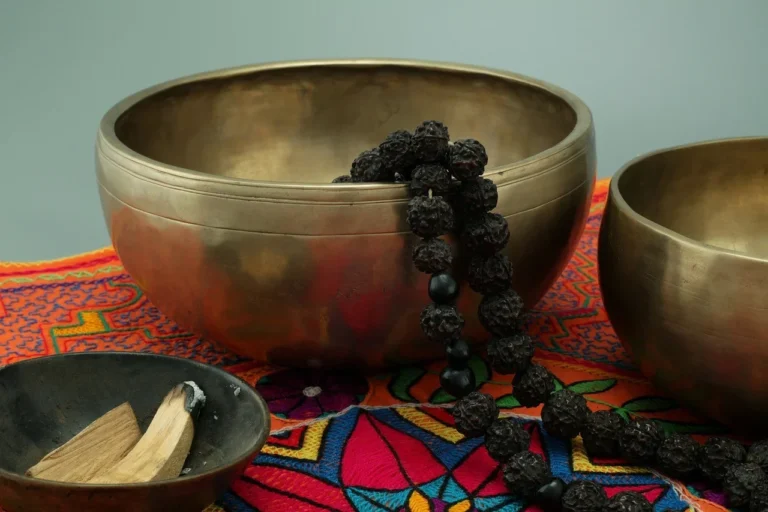
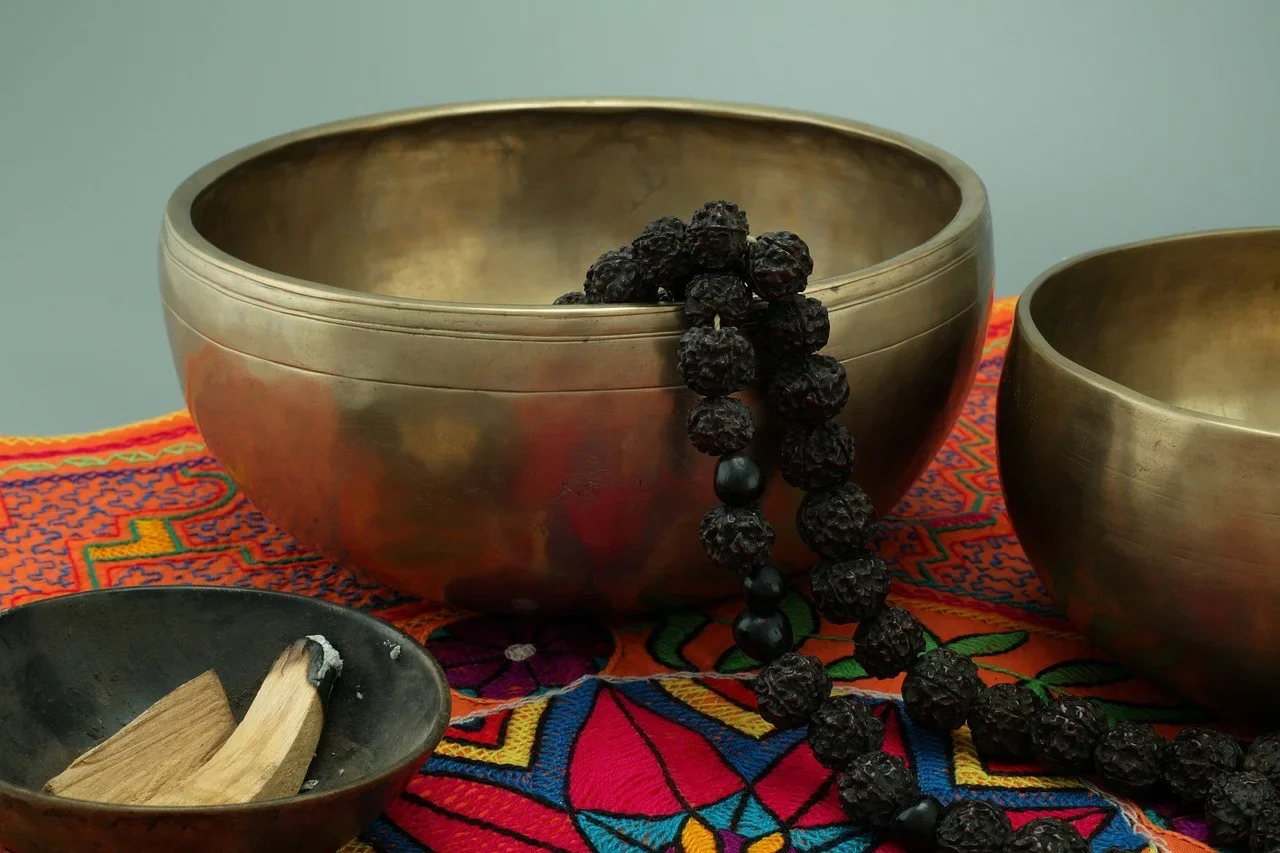
When we engage with Sacred Sounds, such as those produced by singing bowls, gongs, or chanting, the auditory stimuli process through the limbic system, a part of the brain associated with emotion, memory, and motivation. This can trigger a relaxation response, slowing heart rate, lowering blood pressure, and encouraging alpha and theta brainwave states, which are characteristic of deep relaxation and meditation. These physiological shifts are critical for stress reduction and fostering a sense of inner harmony. Furthermore, the sonic vibrations can subtly massage the body’s tissues, promoting circulation and releasing tension. The brain’s ability to respond to and be reshaped by auditory input underscores the profound impact these experiences can have on our neural pathways and overall mental well-being.
Integrating Sacred Sounds into Modern Life
In today’s fast-paced world, finding moments of tranquility can seem challenging. However, integrating Sacred Sounds into daily routines doesn’t require drastic lifestyle changes; even small, consistent practices can yield significant benefits. The accessibility of sound healing tools and digital resources makes it easier than ever to explore this ancient pathway to inner harmony.
Here are several ways to incorporate sacred sounds into your life:
- Sound Baths and Meditations: Attend local sound bath sessions where practitioners use gongs, crystal singing bowls, and other instruments to create an immersive sonic experience. Many online platforms also offer guided sound meditations that can be enjoyed from the comfort of your home.
- Chanting and Mantras: Explore the practice of chanting, either silently or aloud. Mantras are specific words or phrases repeated to focus the mind and elevate consciousness. Their vibrational qualities can be incredibly soothing and centering.
- Mindful Listening: Dedicate time to simply listen to natural sounds—the rustle of leaves, the flow of a river, or birdsong. Engage in mindful listening, paying close attention to the textures, patterns, and subtle nuances of the sounds around you.
- Instrumental Play: Consider learning to play an instrument known for its meditative qualities, such as a handpan, kalimba, or a simple drum. The act of creating sound can be deeply meditative and expressive.
- Curated Playlists: Create playlists of instrumental music, ambient soundscapes, or traditional spiritual music that helps you relax, focus, or prepare for sleep. Ensure these are free from jarring elements and promote a sense of calm.
These practices not only offer a respite from daily stressors but also cultivate a deeper connection to your inner self, enhancing overall well-being. The impact of music on well-being extends beyond mere enjoyment, touching upon cognitive, emotional, and even physical health.
Cultivating Awareness with Sacred Sounds
Beyond specific techniques, the true power of Sacred Sounds lies in their ability to foster a heightened state of awareness and mindfulness. In a world saturated with distractions, sound can serve as an anchor, drawing our attention to the present moment. When we consciously engage with sound, whether it’s the sustained resonance of a gong or the intricate layers of a classical piece, we are practicing mindfulness. This practice of being fully present with auditory experiences can extend to other aspects of our lives, improving focus and reducing the pervasive mental chatter that often leads to stress and anxiety. The exploration of mindfulness research consistently demonstrates its benefits for mental health, stress reduction, and emotional regulation, showing how a focused awareness, often aided by sound, can lead to profound personal transformation.
The vibrational nature of sound can also help us become more attuned to our own internal state. By creating a tranquil sonic environment, we can better listen to our body’s signals, identify areas of tension, and address emotional imbalances. This introspective process is fundamental to achieving lasting inner harmony and emotional resilience. Engaging with these sounds is not just about relaxation; it’s about learning to listen more deeply, both externally and internally, fostering a more profound connection to ourselves and the world around us.
Conclusion: Embracing Your Sonic Path to Inner Harmony
The journey to inner harmony is deeply personal, yet the universal language of sound offers a powerful and accessible pathway for everyone. From the wisdom of ancient traditions to the insights of modern science, the efficacy of Sacred Sounds in promoting well-being is undeniable. Whether through the immersive experience of a sound bath, the focused repetition of a mantra, or simply the mindful appreciation of natural soundscapes, integrating these sonic practices into your life can unlock profound levels of peace, clarity, and self-awareness. By consciously choosing to engage with sound as a tool for healing and spiritual growth, you embark on a transformative journey towards a more balanced and harmonious existence.
Are you ready to discover the profound impact of sacred sounds on your inner world? Explore the power of Sacred Sounds today and begin your personal journey towards lasting peace and heightened well-being.
Frequently Asked Questions
Q1. What exactly are Sacred Sounds?
Sacred Sounds refer to the intentional use of specific frequencies, tones, and vibrations to induce states of profound relaxation, meditation, and healing. They transcend mere auditory perception, aiming to reconnect individuals with themselves and foster spiritual equilibrium. These sounds can range from ancient chants and mantras to modern instruments like singing bowls and gongs.
Q2. How do Sacred Sounds promote inner harmony and well-being?
Sacred Sounds promote inner harmony by influencing the body’s vibrational system. They can trigger a relaxation response, slowing heart rate, lowering blood pressure, and encouraging alpha and theta brainwave states associated with deep relaxation. This physiological shift reduces stress, improves mood, and allows individuals to connect more deeply with their inner self, fostering peace and mental clarity.
Q3. What is the historical context of using sound for healing?
The practice of using sound for spiritual and therapeutic purposes dates back millennia across diverse cultures. Ancient Egyptians, Greeks like Pythagoras, and indigenous communities worldwide employed vocal tones, instruments, and chanting in rituals, ceremonies, and healing practices. These traditions intuitively understood sound’s potent energy to shift consciousness, connect with the divine, and restore balance.
Q4. Can modern science explain the efficacy of vibrational healing?
Yes, modern science has begun to explore the mechanisms behind sound’s influence on the body and mind. Research in music therapy demonstrates its effectiveness in reducing stress, pain, and improving mood. When engaging with sacred sounds, auditory stimuli process through the limbic system, impacting emotions and memory, while sonic vibrations can subtly massage tissues, promoting circulation and tension release.
Q5. How can I integrate Sacred Sounds into my daily life?
Integrating Sacred Sounds can be simple. You can attend local sound baths, practice chanting mantras, engage in mindful listening to natural sounds, or explore playing meditative instruments like a handpan. Creating curated playlists of instrumental or ambient music can also help. Even small, consistent practices can yield significant benefits for stress reduction and cultivating inner peace.