Attain Inner Peace Through Bhakti
In the relentless pace of modern life, the quest for tranquility and inner harmony has become a universal pursuit. Many find themselves adrift, grappling with stress, anxiety, and a pervasive sense of disconnect. While numerous paths promise solace, one ancient and profound spiritual tradition offers a unique and deeply transformative journey: Bhakti Yoga. This devotional practice, rooted in the rich tapestry of Indian spirituality, provides a heartfelt route to inner peace through Bhakti practices, fostering a profound connection that transcends the superficial struggles of daily existence. It’s a path not of rigid asceticism or complex intellectualism, but of unconditional love and surrender, accessible to anyone seeking genuine spiritual well-being.
Understanding Bhakti: A Heartfelt Path to Inner Peace
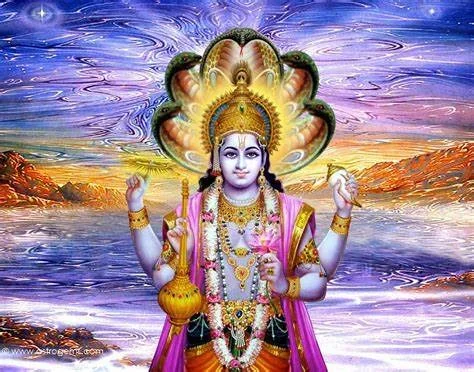
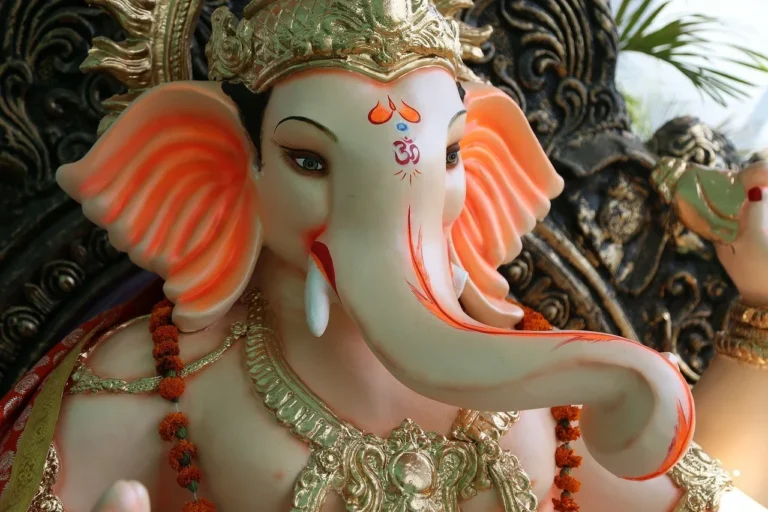
Bhakti, often translated as ‘devotion,’ ‘love,’ or ‘adoration,’ is one of the four principal paths of Yoga in Hinduism, alongside Karma Yoga (the path of action), Jnana Yoga (the path of knowledge), and Raja Yoga (the path of meditation). What sets Bhakti apart is its emphasis on cultivating a deep, personal, and loving relationship with the Divine, whatever form that may take for the individual. It’s a profound recognition that true fulfillment comes from aligning one’s heart and will with a higher power or cosmic consciousness. This spiritual journey is not about rigid dogma but about fostering a heartfelt connection, seeing the divine in all beings and aspects of creation. The practice of Bhakti doesn’t demand renunciation of the world but rather a transformation of one’s perception and attitude towards it, infusing every action with love and a sense of service. This shift in perspective naturally leads to a reduction in ego-driven desires and attachments, which are often at the root of our agitation and unrest, thus paving the way for authentic inner peace through Bhakti practices.
Core Bhakti Practices for Inner Peace and Spiritual Connection
The beauty of Bhakti lies in its diverse and accessible practices, each designed to open the heart and deepen one’s devotional connection. These aren’t merely rituals; they are potent tools for self-transformation and the cultivation of a peaceful mind. Engaging in these practices consistently helps to purify the mind, quiet the incessant chatter of thoughts, and replace negative emotions with feelings of gratitude, love, and contentment. As practitioners immerse themselves in these acts of devotion, they often report a significant decrease in stress and an increased sense of belonging and joy.
Key Bhakti Practices include:
- Kirtan and Bhajan: Communal chanting (Kirtan) and singing devotional songs (Bhajan) are central to Bhakti. These practices involve repeating sacred mantras or the names of the Divine, often accompanied by musical instruments. The rhythmic sounds and shared energy create a powerful meditative experience, uplifting the spirit and fostering a sense of unity.
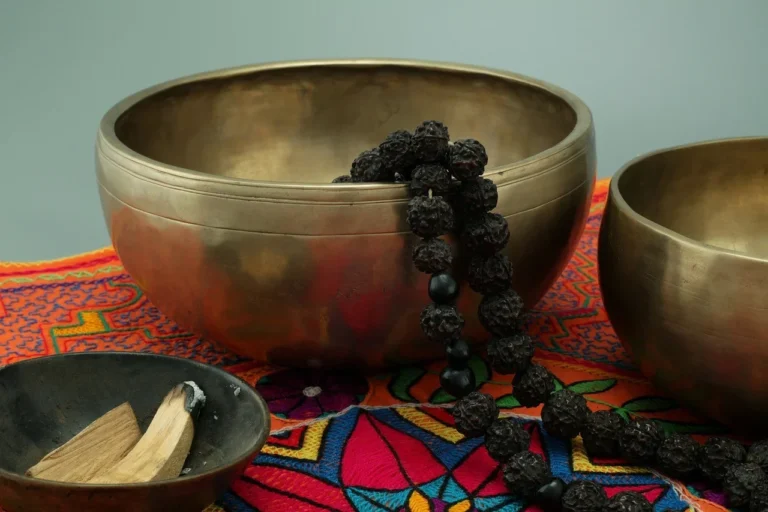
- Japa: The meditative repetition of a mantra or a divine name, typically using a string of beads (mala). Japa focuses the mind, calms the nervous system, and cultivates sustained concentration, drawing the practitioner closer to a state of inner stillness.
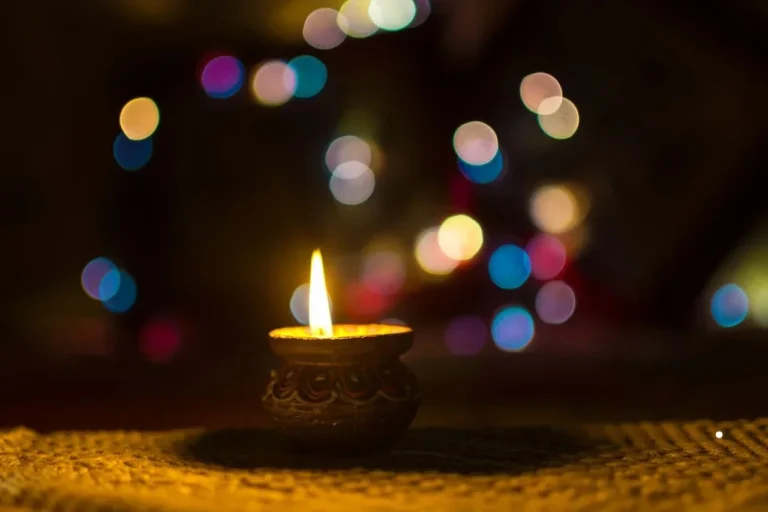
- Puja: Ritualistic worship performed to honor the Divine through offerings of flowers, incense, food, and light. Puja is an act of love and surrender, engaging all the senses in devotion and creating a sacred space for spiritual communion.
- Seva: Selfless service, performed without expectation of reward. Seva is an integral part of Bhakti, as it expands the heart, diminishes ego, and recognizes the divine in others. Serving others becomes an act of serving the Divine, fostering compassion and true happiness.
- Sravanam (Hearing): Listening to sacred scriptures, discourses, or stories of the Divine. This practice helps to absorb spiritual wisdom and inspire devotion, deepening understanding and faith.
- Smaranam (Remembering): Constant remembrance of the Divine in all activities. This practice transforms ordinary tasks into acts of devotion, keeping the mind focused on spiritual ideals throughout the day.
Each of these practices, when approached with sincerity and an open heart, contributes significantly to cultivating inner peace through Bhakti practices, offering a tangible pathway to a more harmonious existence.
Cultivating Devotion: Sustaining Inner Peace Through Bhakti
The journey of Bhakti is not a destination but a continuous process of cultivating and deepening devotion. This sustained practice creates a resilient internal state, allowing individuals to navigate life’s inevitable challenges with grace and equanimity. By consistently engaging in Bhakti, one begins to experience a profound shift in consciousness, moving from a self-centered perspective to one rooted in universal love and interconnectedness. This transformation fosters resilience, reduces emotional reactivity, and instills a deep sense of trust in the flow of life. It’s about building a spiritual muscle that, over time, can weather any storm. The consistent focus on love, surrender, and service helps to dissolve the barriers of ego and self-importance, which are primary sources of suffering and discord. This liberation from ego-driven anxieties is a cornerstone of achieving lasting inner peace through Bhakti practices. It encourages a life lived with purpose, guided by compassion and an unwavering faith in the inherent goodness of existence.
Many philosophical traditions, including the Yoga Sutras, recognize the importance of devotion (Ishvara Pranidhana) as a means to quiet the mind and attain higher states of consciousness. While Patanjali’s Yoga Philosophy primarily outlines Raja Yoga, the principle of surrender to a higher power is a common thread that runs through many spiritual disciplines, emphasizing its efficacy in dissolving mental obstacles and fostering spiritual growth. Bhakti Yoga provides a direct and accessible method for embodying this surrender, allowing the practitioner to offload burdens and anxieties onto the Divine, thereby lightening the heart and mind.
Embracing Bhakti: Your Journey to Lasting Inner Peace
Embracing Bhakti is an invitation to embark on a transformative spiritual adventure, one that promises not just fleeting moments of calm but a profound and lasting inner peace. It’s about rediscovering the inherent joy and love that reside within each of us, often obscured by the distractions and demands of the external world. By committing to Bhakti practices, even in small ways, you begin to weave a tapestry of devotion that enriches every aspect of your life. Start with what resonates most deeply with you: perhaps listening to devotional music, repeating a simple mantra, or offering a moment of silent gratitude each day. Consistency, rather than intensity, is key. Over time, you’ll find that these practices naturally infuse your daily existence with a sense of purpose, connection, and tranquility.
The path of devotion is a journey of the heart, a return to our authentic selves, and a profound realization of our interconnectedness with all of creation. It’s a powerful antidote to the fragmentation and isolation often experienced in modern society. As you open your heart through Bhakti, you create space for unconditional love, compassion, and a deep sense of belonging to flourish, leading directly to the enduring serenity you seek. The spiritual journey often begins with a question, a longing for something more. Bhakti provides an answer rooted in love, accessible to all, and capable of transforming even the most turbulent minds into reservoirs of calm.
Are you ready to discover the profound serenity that awaits? Begin your exploration of Bhakti today, and unlock the boundless potential for inner peace through Bhakti practices. Start by choosing one simple practice – be it chanting, selfless service, or mindful remembrance of the divine – and commit to it daily. Your journey towards a more joyful, connected, and peaceful existence begins now.
Frequently Asked Questions
Q1. What is Bhakti Yoga and how does it lead to inner peace?
Bhakti Yoga is a devotional path emphasizing a loving relationship with the Divine, whatever form that may take for the individual. It fosters inner peace by transforming one’s perception, reducing ego-driven desires, and infusing actions with love and service. This shift from self-centeredness to universal connection naturally diminishes agitation and promotes lasting tranquility. It’s about aligning one’s heart with a higher power, leading to profound fulfillment.
Q2. What are some core practices of Bhakti Yoga?
Key Bhakti practices include Kirtan (communal chanting) and Bhajan (devotional singing), Japa (mantra repetition, often with beads), Puja (ritualistic worship with offerings), Seva (selfless service), Sravanam (listening to sacred wisdom), and Smaranam (constant remembrance of the Divine). Each practice is designed to open the heart, purify the mind, and deepen one’s spiritual connection. Engaging consistently helps cultivate a peaceful and contented state.
Q3. Do I need to renounce the world to practice Bhakti?
No, Bhakti doesn’t demand renunciation of the world or rigid asceticism. Instead, it encourages a transformation of one’s perception and attitude towards daily life. The goal is to infuse every action with love and a sense of service, integrating devotion into one’s existing circumstances. This allows practitioners to find peace and purpose within their everyday responsibilities, seeing the divine in all aspects of creation.
Q4. How does Bhakti help in coping with stress and anxiety?
Bhakti practices significantly help reduce stress and anxiety by purifying the mind, quieting incessant thoughts, and replacing negative emotions with gratitude, love, and contentment. The consistent focus on love, surrender, and service helps dissolve ego-driven anxieties, which are often at the root of agitation. This shift in consciousness fosters resilience, reduces emotional reactivity, and instills a deep sense of trust, allowing individuals to navigate challenges with grace.
Q5. Can anyone practice Bhakti Yoga, regardless of their background?
Yes, Bhakti Yoga is accessible to anyone seeking genuine spiritual well-being, regardless of their background, religious affiliation, or intellectual capacity. It’s a path of unconditional love and surrender, focusing on a heartfelt connection with the Divine in whatever form resonates most deeply with the individual. The practices are diverse and can be adapted to personal preferences, making it an inclusive and deeply transformative spiritual journey for all.