Unveiling the Spiritual Meaning of Prostration
In countless cultures and spiritual traditions across millennia, a singular human gesture transcends linguistic and geographical barriers: prostration. This act, involving bowing down or lying face down on the ground, is far more than a physical movement; it embodies a profound symbolic language that speaks to humility, reverence, and surrender. The spiritual meaning of prostration is deeply rooted in humanity’s yearning for connection to the divine, a silent acknowledgment of a power greater than oneself. From ancient rituals to contemporary worship, prostration serves as a powerful conduit for individuals to express devotion, seek forgiveness, and achieve a deeper state of spiritual awareness. It is a universal human response to the sacred, an outward manifestation of an inner state of awe and respect.
The Universal Act of Humility and Devotion
Prostration, at its core, is an act of profound humility. To lower oneself to the ground, bringing one’s head, the seat of intellect and identity, to the lowest possible position, signifies the complete submission of the ego. This isn’t merely a physical posture but a psychological and spiritual realignment, a conscious choice to diminish self in the presence of the divine. This ancient practice is observed in various forms across the globe, each tradition imbuing it with specific nuances, yet sharing common threads of reverence and surrender. The sheer vulnerability of the posture—lying exposed and defenseless—is a testament to the trust placed in the higher power being addressed.
Historically, prostration has been utilized in rituals of supplication, gratitude, and purification. It is a non-verbal prayer, a physical embodiment of a plea or a thank you. In many indigenous spiritualities, prostration was and still is a way of connecting with the earth, recognizing its sacredness as a life-giver and a fundamental aspect of the cosmos. This act of communion with the physical ground often signifies a grounding of the spirit, a return to elemental truths, and an acknowledgment of one’s place within the vast web of creation. The spiritual meaning of prostration, in this context, is about re-establishing harmony with the natural and supernatural worlds.
Diverse Faiths, One Spiritual Meaning of Prostration
While the precise forms and theological interpretations of prostration vary, its fundamental spiritual meaning of prostration resonates across many of the world’s major religions. It is a testament to the shared human experience of encountering the sacred and responding with awe. Examining its practice in different traditions reveals a rich tapestry of devotion:
- Islam: The most recognizable form of prostration is perhaps found in Islam, known as ‘sujud.’ During the prescribed daily prayers (Salat), Muslims prostrate, touching their forehead, nose, palms, knees, and toes to the ground. This act symbolizes total submission to Allah (God) and is considered the closest a believer can be to their Creator. It is a moment of profound humility and a powerful expression of devotion and surrender to divine will.
- Christianity: Prostration is practiced in various Christian denominations, particularly during solemn liturgical events. In Catholicism, priests, deacons, and candidates for ordination prostrate themselves during their ordination Mass, signifying their complete dedication to God’s service. The faithful may also prostrate during Good Friday services as an act of profound sorrow and veneration for Christ’s sacrifice. This ancient practice is documented in scripture, where individuals fall on their faces before God or Christ, expressing adoration or supplication. The Catholic Encyclopedia provides a historical context for this ritual.
- Judaism: While less common in contemporary Jewish worship, prostration was a significant part of ancient Israelite temple practices. It is recorded in the Torah that figures like Abraham and Moses prostrated themselves before God. Today, some Jewish traditions incorporate partial prostrations or bowing during specific prayers, particularly on Yom Kippur, the Day of Atonement, as an act of humble repentance and prayer.
- Buddhism: Buddhists often perform a series of full prostrations, touching their forehead to the ground, as a practice of humility, respect for the Three Jewels (Buddha, Dharma, Sangha), and a means of purifying negative karma. It is also an exercise in mindfulness and a physical manifestation of relinquishing the ego. The act of bowing low symbolizes putting others and spiritual truths before oneself.
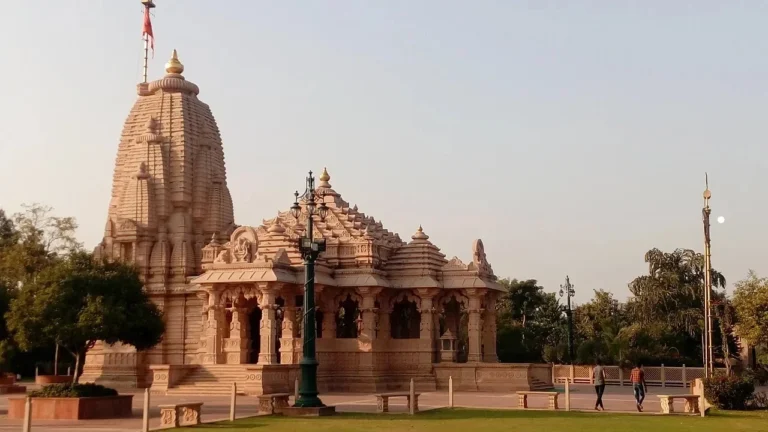
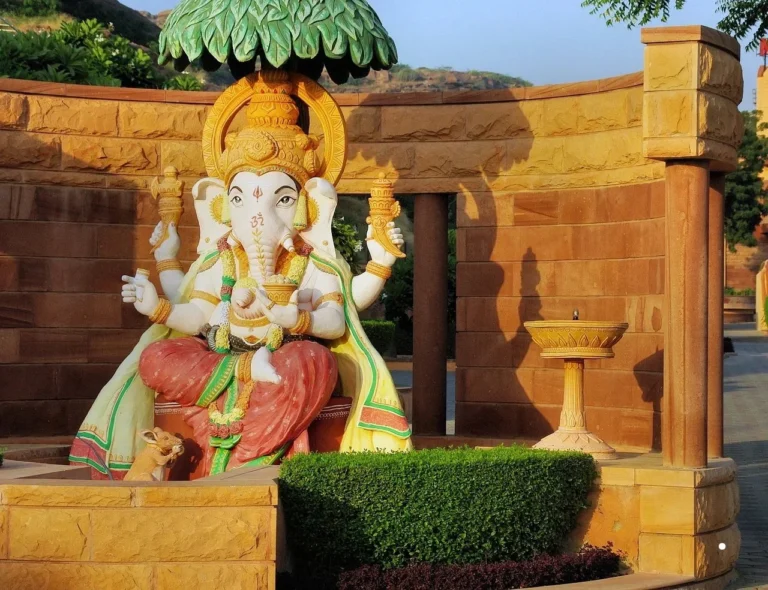
- Hinduism: Prostration, known as ‘dandavat pranama’ or ‘sastanga namaskara,’ is a common practice in Hinduism. Devotees lie fully prostrate, touching their forehead to the ground, before deities in temples, spiritual teachers, or elders. This act signifies deep respect, veneration, and the surrender of the ego to the divine or a spiritual guide. It is an expression of Bhakti (devotion) and an acknowledgment of the sacred presence. Britannica’s entry on Pranama further elaborates on its significance.
Across these diverse paths, the act of lowering oneself to the earth is a powerful testament to the human spirit’s capacity for reverence and a profound engagement with the divine, underscoring the enduring spiritual meaning of prostration.
The Physical and Psychological Dimensions of Prostration
Beyond its symbolic and theological significance, prostration also offers tangible physical and psychological benefits, contributing to its profound spiritual meaning of prostration. The physical act itself, especially when performed mindfully, can induce a state of calm and focus. The posture of being close to the ground can be incredibly grounding, literally and metaphorically. It connects the individual to the earth, fostering a sense of stability and presence.
From a physiological perspective, lowering the head below the heart can promote relaxation and introspection. The act of mindful bowing can help to alleviate stress and anxiety, focusing the mind away from daily distractions and towards a higher purpose. This deliberate slowing down, coupled with deep breathing often associated with such prayers, can activate the parasympathetic nervous system, promoting a state of rest and digest. It’s a form of active meditation, where the body’s posture reinforces the mind’s intention to connect and surrender.
Benefits of Mindful Prostration
Engaging in the act of prostration with awareness can lead to several transformative experiences:
- Deepened Humility: Continuously practicing the physical act of lowering oneself helps to cultivate an inner sense of humility, reducing ego and fostering an attitude of openness and teachability.
- Enhanced Focus and Presence: The physical effort and concentration required for prostration draw one into the present moment, away from wandering thoughts and anxieties.
- Release and Surrender: The posture of complete surrender can facilitate the release of burdens, worries, and control, allowing for a feeling of being supported by a greater power.
- Physical Grounding: Connecting with the earth’s surface provides a sense of stability, peace, and belonging, reminding one of their place within the natural world.
- Increased Gratitude: The act of humble devotion often inspires a profound sense of gratitude for blessings received and for the divine presence in one’s life.
- Spiritual Connection: For many, prostration is a direct pathway to feeling a stronger, more intimate connection with the divine, fostering a sense of peace and belonging.
These benefits highlight that prostration is not merely a ritualistic act but a holistic practice that nurtures the body, mind, and spirit.
Cultivating a Deeper Spiritual Meaning of Prostration in Your Life
Understanding the universality and profound impact of prostration invites us to consider how such a practice might enrich our own spiritual journey, regardless of our specific beliefs. The spiritual meaning of prostration is accessible to anyone willing to engage in the posture with intentionality and an open heart. It encourages us to step away from the incessant demands of the modern world and enter a space of quiet contemplation and self-reflection.
To cultivate a deeper experience, one might start by simply bowing the head in a moment of reverence or gratitude. Progressing to a full prostration, whether as part of a formal religious practice or a personal spiritual exercise, involves more than just the physical movement. It requires bringing conscious intention, focusing on the feelings of humility, gratitude, or surrender. This mindful approach transforms a physical act into a powerful spiritual communion.
Consider integrating moments of prostration into your personal spiritual routine. This could be upon waking, before meditation, during prayer, or at any time you feel the need to reconnect with your inner self or a higher power. It’s an opportunity to physically express what words sometimes fail to capture—the boundless awe and respect we hold for the sacred in our lives. By making prostration a regular part of one’s spiritual discipline, individuals can consistently reinforce their commitment to humility, faith, and their ongoing journey toward spiritual enlightenment. For further academic insights into the psychology of religious practice, including acts like prostration, one might explore resources from institutions like Harvard Divinity School, which often delve into the human dimensions of faith.
The act of prostration is a timeless, cross-cultural testament to humanity’s innate need to connect with something greater than itself. It is a physical embodiment of humility, a profound gesture of devotion, and a powerful pathway to spiritual awareness. As we’ve explored, the spiritual meaning of prostration is rich and multifaceted, offering a unique opportunity for surrender, gratitude, and a deeper connection to the divine, irrespective of one’s specific faith. By embracing this ancient practice, whether in formal worship or private contemplation, we open ourselves to transformative experiences that nurture the soul and ground us in the universal truths of reverence and humility. Consider how incorporating this powerful act of mindful bowing could deepen your personal spiritual journey, bringing peace and a profound sense of connection.
Frequently Asked Questions
Q1. What is the fundamental spiritual meaning of prostration?
At its core, prostration is a powerful act of profound humility, reverence, and surrender to a higher power or the divine. It symbolizes the diminishing of the ego and a deep acknowledgment of a force greater than oneself, fostering a connection to the sacred and expressing devotion or seeking forgiveness.
Q2. Which major religions practice prostration?
Prostration is a universal practice found in many major religions. Islam features ‘sujud’ during daily prayers, Christianity uses it in solemn liturgical events like ordinations, and ancient Judaism also incorporated it. Buddhism employs full prostrations for humility and purification, while Hinduism practices ‘dandavat pranama’ as an act of veneration and surrender.
Q3. How does prostration connect to humility and the ego?
Prostration is an intentional act of lowering oneself, often bringing the head (the seat of intellect and identity) to the lowest position. This physical posture directly symbolizes the complete submission of the ego and a conscious choice to diminish self-importance in the presence of the divine. It’s a spiritual realignment towards humility.
Q4. Are there physical or psychological benefits to prostration?
Yes, beyond its symbolic significance, mindful prostration offers tangible benefits. The posture can be grounding, connecting one to the earth and fostering stability. Physiologically, lowering the head below the heart can induce relaxation and introspection, alleviate stress, and activate the parasympathetic nervous system, promoting calm and focus.
Q5. How can one cultivate a deeper spiritual meaning of prostration in their life?
To deepen the experience, start with intentionality, focusing on humility, gratitude, or surrender. This can begin with a simple bow and progress to full prostrations. Incorporate it into personal spiritual routines like waking, meditation, or prayer. This mindful approach transforms the physical act into a powerful spiritual communion, reinforcing commitment to faith and enlightenment.