Sudarshan Chakra Sacred Protection
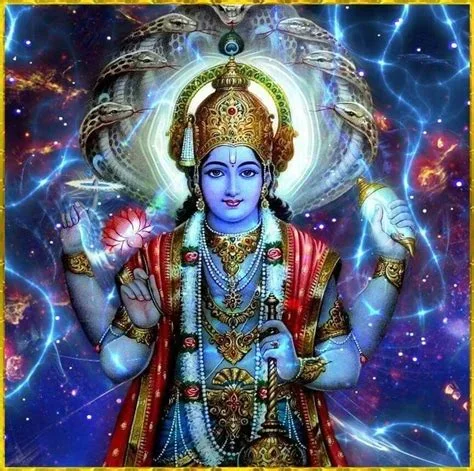
The Sudarshan Chakra, the divine discus that radiates light and cuts through the darkness of ignorance, remains a potent symbol of protection in Hindu mythology. Revered as the weapon wielded by Lord Vishnu to restore cosmic order, the Sudarshan Chakra embodies the principle that truth and righteousness can dispel even the most formidable evils. Scholars and devotees alike draw inspiration from its spinning, razor‑sharp blade that never misses its target, believing that its power can shield individuals, families, and nations from harm. In this exploration, we’ll delve into its mythic origins, artistic representation, scriptural presence, protective attributes, and its continued relevance in contemporary culture.
Sudarshan Chakra: Origins and Mythological Significance
According to the Mahabharata, the Sudarshan Chakra was created by the divine craftsman Vishwakarma and gifted to the Vedic god Indra. It evolved into a symbol of cosmic equilibrium, with its circular form representing the endless cycle of birth, death, and rebirth. A story frequently cited by sages recounts how the chakra accidentally fell from the heavens, crashing into a purple jewel and acquiring a powerful aura that could pierce any defense. This incident sets the stage for its eventual possession by Vishnu, who uses it as the primary instrument to defeat the tyrant demon king Demon king Ravana in the epic Ramayana, although this is more symbolic than literal in the texts.
Sudarshan Chakra: Iconography and Symbolic Design
Artistically, the Sudarshan Chakra is depicted as a perfect circle with 27 or 28 evenly spaced spokes, each studded with a gem. The central point, known as the “tegam,” is often illustrated as a luminous bead that glows with divine brilliance. Depictions across temples and ancient manuscripts stress that the Chakra’s cut is described as “infinite” because its line of impact extends beyond mortal comprehension. Iconographical analysis, such as that found in the Indian art tradition, notes that the Chakra’s design reflects the cosmos: the spokes symbolize the seven celestial realms, while the outer rim represents the cycle of time, or “Kalachakra.” The consistent use of gold, emerald, and ruby in temple carvings further underscores the sacred energy the artifact holds.
Sudarshan Chakra in Hindu Scriptures and Epics
Beyond the Mahabharata, the Sudarshan Chakra is mentioned in other canonical scriptures. The Bhagavata Purana recounts how Vishnu’s Sudarshan Chakra was used to subdue the demon Shankhadhara, showcasing the divine tool’s indiscriminate nature—able to destroy malignity in matter, spirit, or intellect. Further, the Brahma Vaivarta Purana references the Chakra as a means to gather divine wisdom through its centered focus and unbroken motion, offering “sudharshanam” or enlightenment via scrutiny.
Sudarshan Chakra: Source of Divine Protection
The protective qualities attributed to the Sudarshan Chakra extend beyond battlefields. Devotees turn to it as an emblem of personal safety, chanting mantras that invoke the Chakra’s spinning power to ward off negative forces. Practitioners of Shaktism and Vaishnavism incorporate meditative visualizations in which a spinning discus shields them from mental and physical disturbances.
- Shield of Wisdom: By meditating on the Chakra’s endless circle, practitioners believe the mind’s repetitive thoughts can be broken, opening the path to clarity.
- Energy Dissipation: Scholars claim that the Chakra’s rotating motion symbolizes the circulation of dhyan (concentration) and jyot (light), fostering emotional equanimity.
- Physical Protection: Historical temples often feature carvings of Sudarshan Chakra to symbolize the sanctity of the sanctuary, suggesting that the divine disc protects the physical space from harm.
- Community Reassurance: In times of social distress, chanting “Sudarshan Chakra” fosters a shared sense of safety and collective spiritual resilience.
Contemporary Influence of Sudarshan Chakra
In modern Indian society, the Sudarshan Chakra continues to inspire art, politics, and literature. Statues of the weapon are situated in the interiors of major temples such as the Tirumala Venkateswara Temple, reaffirming its status as a protective sentinel. The disc also appears in national symbols, influencing variants of the Indian flag found in campaigns promoting unity. Additionally, pop‑culture representations—ranging from comic books to YouTube animations—depict the Sudarshan Chakra as a timeless guardian against the ever‑evolving social challenges of the 21st century.
Academics studying mythological symbols note that the Sudarshan Chakra reflects a universal theme: the protective circle that encompasses and transcends all forms of division. This theme resonates across cultures, promoting the idea that divine protection is both an internal state and an external shield. The Chakra’s enduring presence in modern art and technology (e.g., applications named after the Sudarshan Chakra in cybersecurity) indicates that its symbolic capacity continues to be adaptive and relevant.
Frequently Asked Questions
Q1. What is the Sudarshan Chakra?
The Sudarshan Chakra is a divine discus crafted by Vishwakarma and gifted to Indra, later adopted by Vishnu. It symbolizes cosmic equilibrium and the cycle of birth, death, and rebirth, with 27 or 28 spokes representing celestial realms. In mythology, its sharp blade is said to cut through ignorance and deliver divine justice. Devotees believe the Chakra embodies truth, righteousness, and the power to dispel even the darkest evils.
Q2. How is the Chakra depicted in art and iconography?
Artistic representations of the Sudarshan Chakra show a perfect circle with evenly spaced spokes, each studded with precious stones. The center often features a luminous bead called the “tegam” that radiates divine brilliance. Temples and manuscripts highlight its infinite cut, suggesting a line that extends beyond mortal comprehension. Gold, emerald, and ruby are commonly used to enhance its sacred aura in carvings and sculptures.
Q3. What protective qualities does the Sudarshan Chakra confer?
Practitioners chant mantras invoking the Chakra to ward off negative forces, while meditation on its endless circle is believed to break repetitive thoughts. Scholars note the Chakra’s motion symbolizes the flow of dhyan (concentration) and jyot (light), promoting emotional equanimity. Temples often incorporate its imagery to signify protection of sacred spaces, and communities use the symbol to foster collective resilience during crises.
Q4. How is the Sudarshan Chakra relevant in contemporary culture?
Modern Indian society continues to celebrate the Chakra through art, literature, and even political symbolism. Statues of the discus appear in prominent temples, and it has influenced design elements in national campaigns. Pop‑culture adaptations, from comic books to YouTube animations, portray the Chakra as a timeless guardian against modern challenges. Academics also discuss its universal theme of a protective circle that transcends cultural boundaries.
Q5. How can I incorporate the Chakra’s symbolism into daily life?
Begin by visualizing the spinning discus while practicing meditation to center your thoughts. Keep a small chakra pendant or print near your workspace to serve as a reminder of protection and clarity. Remind yourself of its symbolic meaning during stressful moments to cultivate calm. Sharing this visualization with friends or community groups can enhance collective spiritual resilience.