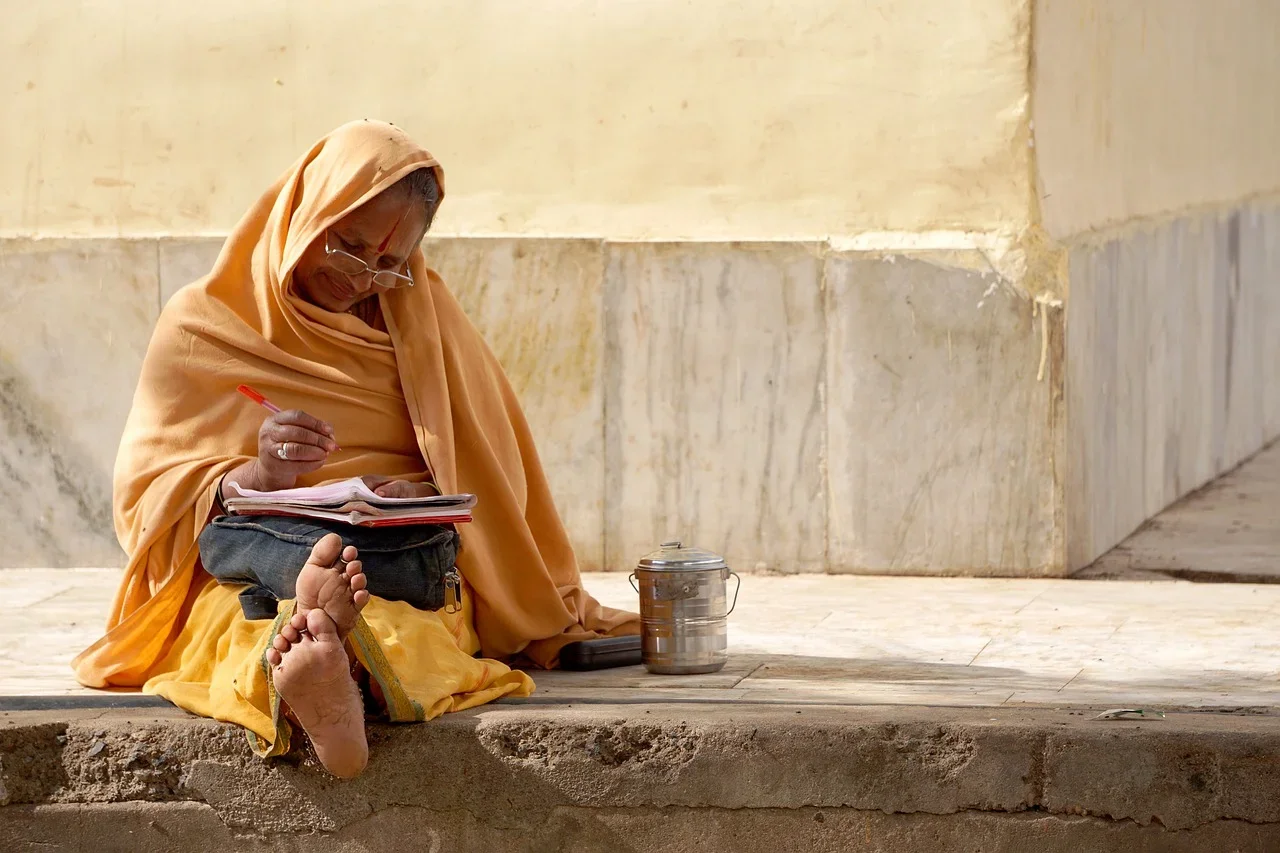
Bhakti Stories That Transformed Destiny
In countless cultures, tales of Bhakti—devotion that transcends the mundane—have reshaped destinies, altered societal structures, and redefined the relationship between the individual and the divine. Rooted in ancient epics yet enduring in contemporary spiritual discourse, Bhakti is more than a rhetoric; it is a lived path that has repeatedly proven capable of challenging entrenched hierarchies and fostering profound inner transformation. Within the next three thousand words, we will examine four timeless stories of Bhakti, each illustrating how unwavering devotion has redirected the forces of history and personal fate.
Mirabai’s Rebellious Devotion
Mirabai (1498–1545), the legendary Rajput princess of Mewar, grounded her existence around a singular devotion: that to Lord Krishna. Rejecting the traditional marital expectations of her time, she composed fervent bhajans that questioned social conventions and elevated the sacred bond between devotee and deity. In a society that judged women primarily on marital status, Mirabai’s unwavering faith taught that spiritual fulfillment could supersede patriarchal constraints. Mirabai remains a contemporary symbol of feminist spirituality, her story inspiring generations of women to forge independent paths grounded in devotion.
Tulsidas and the Battle of Kumbh
Ramcharitmanas, penned by the saint poet Tulsidas in the 16th century, reshaped the cultural reverence of the epic Ramayana for the Hindi-speaking populace. His narratives emphasize humility, patience, and steadfast submission to divine will—core tenets of Bhakti—making the tale accessible beyond the Brahmanical literary elite. During the Kumbha Mela, a pilgrimage attracting millions, Tulsidas’s hymns served as a unifying force that quelled communal tensions. His teachings illustrate how devotional art can become a catalyst for social harmony, encouraging collective identity rooted in shared sacred experience.
The Mythic Transformations of Andal
Andal, the 8th-century Alvar saint from Tamil Nadu, challenges conventional gender dynamics by expressing devotion in personal, woman‑centric language. Her twelve hymns, part of the Thiruppavai, reveal a subtle rebellion against a society that relegated women to the domestic sphere. Instead of agreeing with external expectations, Andal channels divine love toward a personal experience—radiating a belief that inner truth can transform the external world. Her story continues to influence pesan Buddhist, Jain and Christian spiritualities, emphasizing that devotion is not simply prescribed practice but a lived transformation.
Urban Spiritual Revivals in Modern India
In contemporary urban settings, Bhakti is no longer confined to temple walls but manifests through new media, bio‑feedback practices, and grassroots social movements. A notable example is the Neo‑Bhakti social media network, where thousands exchange enlightenment experiences that ripple through social communities, establishing hope and resilience even amid the anonymity of virtual interactions. By bridging tradition with technology, these modern devotes cultivate inter‑generational lessons of compassion and purpose, confirming that Bhakti continues to shape human destiny across contexts.
Key Elements That Define Bhakti Stories
- Personal Connection – The devotee’s intimate, often private relationship with the divine exacerbates transformative potential.
- Defiance of Hierarchy – Challenges to societal rigidity illustrate devotion’s capacity for social change.
- Creative Expression – Hymns, poems, and visual art act as mediums amplifying the devotion’s reach.
- Community Empowerment – Revitalized communities form around shared devotional principles, strengthening societal bonds.
- Integration with Daily Life – Practices remain actionable, enabling devotees to apply lessons within everyday tasks.
Conclusion: Deference, Yet Dan’t
From Mirabai’s defiant violin to Andal’s whispered chorus, these stories affirm a singular truth: Bhakti is a gateway to redefine destiny. Each narrative beckons us to place heartfelt devotion at the core of our lives, promising that insights gained through this devotion will reverberate across generations. Understanding the profound impact of Bhakti stories invites both scholars and everyday seekers to examine how our own narratives can transcend oppression and celebrate collective liberation.
Take Action: If you’ve been moved by these stories and seek a deeper understanding, download our free Bhakti Guide—a comprehensive resource that combines ancient wisdom with actionable strategies for personal and societal change. Dive in, share, and let devotion guide you toward a destiny shaped by truth, love, and resilience.