Bhakti Gratitude Nurtures Joy
Bhakti, a devotional tradition rooted in ancient Indian spirituality, is more than prayer or ritual— it is a way of living that naturally cultivates gratitude. By focusing the mind on the divine and the interconnections of all beings, practitioners learn to see abundance rather than scarcity. This article explores how Bhakti fosters the mindset of thankfulness, offers practical ways to integrate it into everyday life, and highlights scientific insights linking gratitude to well‑being. Whether you are a long‑time devotee or an curious newcomer, you will discover how Bhakti can become a powerful catalyst for a grateful, compassionate, and mindful existence.
Bhakti Gratitude: Foundations of Devotional Practice
At its core, Bhakti is the heartfelt love and surrender to a higher reality Bhakti. Unlike asceticism which detaches from the world, Bhakti embraces the world as a manifestation of divine love. This embrace naturally invites gratitude. When we see every person, plant, and event as a vessel of Gita‑saying “Smaraṇ” (remembrance), we shift from counting what is missing to recognizing what is present. Studies in psychology and neuroscience have shown that a mindset of gratitude reduces stress and strengthens immune function American Psychological Association – Gratitude Research. Thus, the emotional grounding of Bhakti not only deepens devotion but also enhances mental health.
How Bhakti Fosters Spiritual Devotion and Thankfulness
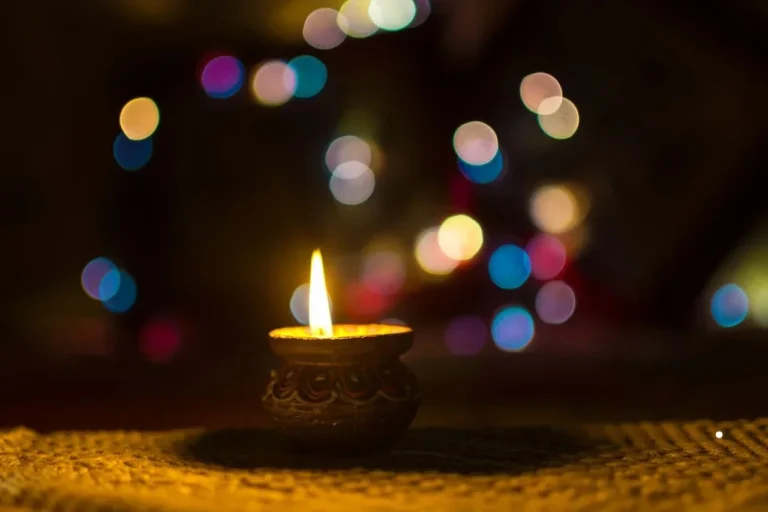
Bhakti rituals—chanting, offering, and seva (service)—are ritualistic expressions of gratitude. Each kundan (jewel) placed at an altar, each flower offered to the idol, and each prayer spoken becomes an act of symbolic gratitude toward the beneficent Universe. The repetitive nature of these activities creates a steady reminder of the endless gifts received daily. Moreover, the communal aspect of Bhakti (satsang, community singing) reinforces empathy and shared appreciation. Within these gatherings, participants exchange stories of kindness, which promotes a collective sense of thankfulness and encourages ongoing acts of benevolence. This interaction illustrates how devotion can be a living practice of gratitude that binds individuals to one another and to the cosmos.
Mindfulness and Compassion in Bhakti Practice
Mindfulness, the deliberate attention to the present moment, is an integral part of Bhakti. While chanting, one focuses on the sound, the breath, and the felt heartbeat—each a reminder of the fleeting nature of existence. This non‑judgmental awareness cultivates an appreciation of the present and reduces the tendency to take blessings for granted. Compassion (karuna) naturally arises when one perceives that all beings are expressing devotion in their unique ways. By juxtaposing compassion and gratitude, Bhakti cultivates a holistic sense of inner joy. Research from Harvard Health provides evidence that gratitude practices can elevate oxytocin levels, thereby fostering subjective feelings of wellbeing Harvard Health Publishing – Why Gratitude Matters.
Practical Ways to Cultivate Gratitude Through Bhakti
- Daily Chanting: Allocate 10–15 minutes each day to chant a mantra that reminds you of the interconnectedness of all life. Focus on the meaning, not just the sound.
- Service Offerings: Volunteer in your community or perform small acts of kindness. Each act is a tangible expression of gratitude toward the helpers behind that action.
- Gratitude Journal: After each devotional ceremony, jot down three things you are grateful for—be it a moment of insight, a supportive friend, or the beauty of nature around you.
- Mindful Meditation: During seated meditation, visualize a sphere of light that encompasses the entire universe. Feel gratitude radiating from your core outward to all beings.
- Affirmation Practice: End your day by repeating a short affirmation such as, “I am thankful for the infinite wisdom that guides my heart.”
By weaving these practices into daily life, you strengthen both your spiritual devotion and your capacity to recognize abundance everywhere.
Conclusion & Call to Action: Begin Your Bhakti Gratitude Journey Now
Bhakti is not a distant, abstract philosophy—it is a tactile, joyous practice that invites gratitude into every facet of life. By engaging in devotional acts, cultivating mindfulness, and fostering compassion, you join a living tradition that has, for centuries, nurtured grateful hearts around the globe. The science of gratitude confirms that this is not merely spiritual rhetoric; it has tangible benefits for mental and physical health, as well as for community bonds.
Take the first step today. Choose one of the practices outlined above, commit to it for 30 days, and observe how gratitude transforms your inner world, your relationships, and your sense of purpose. Let Bhakti Gratitude be the compass that guides you toward a life of thankfulness, compassion, and profound inner peace.