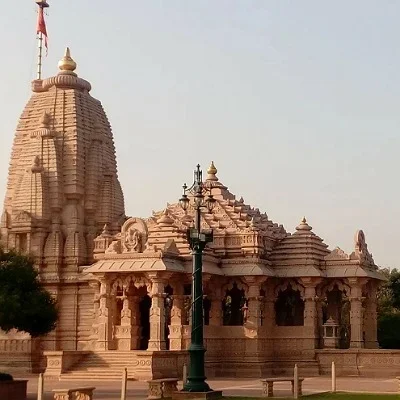
Symbolic Meaning of Temple Architecture
Temple architecture stands as more than stone and stone; it is a living dialogue between earth and sky, humanity and the divine. Every column, gateway, and spire encapsulates a symbolic narrative that transcends time and culture. Exploring the symbolic meaning of temple architecture reveals how ancient builders encoded cosmological ideas, moral values, and spiritual journeys into stone. By examining examples from Hindu, Buddhist, and Christian traditions, we can uncover how symbolic forms become transformative spaces.
Cosmology Printed in Stone
One of the most profound aspects of temple architecture is its representation of cosmology. In Hindu temples, the sanctum (garbhagriha) is the heart of the cosmos, where the god or goddess is believed to reside. The vertical axis of a temple, from the sub‑terranean base to the lofty shikhara, mirrors the sacred axis mundi that connects the underworld, earth, and heavens. The iconographic reliefs along the walls—often depicting the Pancha‑kalpa cycle—serve as visual scriptures guiding devotees through metaphysical stages of life.
Herbal Contemplation of the Cosmos illustrates how the mahā‑shikhara symbolizes the aspiration toward the divine, while the flat base reflects the grounding in the physical world. This alignment invites worshippers to meditate on the transcendence of material existence through the temple’s very layout.
Spiritual Symbolism in Facade Design
The outer façade of a temple functions as a catechism. In Buddhist stupas, the dome (anda) represents the universe’s void, while the conical roof (harmika) denotes the world’s center. In early Christian basilicas, the basilica’s longitudinal axis mirrors the pilgrim’s spiritual pilgrimage from the secular to the sacred. The large entrance portal often contains Nativity or Crucifixion scenes, immediately framing the visitor’s journey.
A list of common symbolic motifs is provided below:
- Columns – Pillars of support, both physically and philosophically
- Rising domes – The heavens, the sky of consciousness
- Central niches – Sacred space for icons or relics
- Iconographic panels – Moral and cosmological narratives
- Raised platforms – The elevation of spiritual insight
These motifs compile a universal language of faith, where the architecture itself becomes scripture.
Icons and Iconography: The Narrative Wall
Wall reliefs in temple architecture serve as concrete theology. The Bhagavata Panaropa in the Kailasa temple of Ellora vividly illustrates the journey of the soul from darkness to illumination. In the Borobudur Mahayana stupa, the 74 tiers of reliefs systematically lay out the path to enlightenment through the Enlightened Realms of this world. When architects carefully choose iconographic themes, they create a didactic experience enabling the layperson to understand complex doctrinal concepts without recourse to written texts.
The use of symbolic art is not limited to the ancient world. In the modern Washington National Cathedral, for example, the intricate stone carvings of the west transept display the Gospel’s message, harmonizing contemporary and traditional symbolism. Such continuity showcases that symbolic meaning in temple architecture is a living tradition – a means to encode cultural values into physical form.
Materiality and Metaphor
The choice of material possesses its own symbolic weight. Marble, with its serene sheen, has been used to portray purity, while volcanic stone, such as tuff used in the Great Mosque of Djenane, conveys permanence and earthly strength. In Hindu temple architecture, the use of sandstone or granite is meant to reflect the cosmic durability of the divine presence.
Moreover, the orientation of temple structures apart from cultural norms reflects metaphoric intent. For instance, the Great Stupa of Sanchi faces east, aligning with the rising sun, which symbolizes rebirth in Buddhist tradition. Similarly, many Christian temples are oriented on a north‑south axis to maintain sacred alignment with the Ten Commandments’ direction of the East (paradise).
Experiencing Symbolism: The Journey Through Space
Visiting a temple is an embodied experience of symbolic meaning. As a pilgrim steps through a ratha door, the shift from mundane to sanctified spaces is encoded in the stone’s height and the glow of candlelight. In the Garhi Mandir, the narrow passageways emulating a labyrinth reinforce the pilgrim’s inward journey, culminating in the sanctum’s serene whiteness. Each structural component does not merely support light but also channels the devotee’s thoughts, turning the act of worship into a transformative pilgrimage.
The sensation of moving inside these sacred structures is also tied to their acoustics. Whispering galleries, such as those in the Parthenon’s courtyard, amplify the spiritual mantra. The resonance produced by Hellenic stone reminds devotees of the syncretic role between divine and human realms.
Symbolic Blessing in Cultural Meaning and Legacy
Temple architecture has a cumulative cultural legacy. Throughout history, temples have shaped circadian rituals, served as socio-political centers, and provided community identity. In Islamic architecture, the grandeur of the Great Mosque of the Red Crystal in Fez offers a model for societal grandeur that entered the collective imagination. In architecture, the symbolic meaning of temples fosters a sense of collective memory that transcends individual worship.
Conclusion: Embodying the Sacred Through Architecture
The symbolic meaning of temple architecture illustrates an artful conversation between the tangible and intangible. Every column, corner, and carving narrates an ancient script about cosmos, ethics, and faith. When you step into a temple, you are not simply walking into a building; you are entering a living scripture that meditatively guides you toward transcendent insight.
Frequently Asked Questions
Q1. What is the symbolic importance of the garbhagriha in Hindu temples?
The garbhagriha is the sacred center, portrayed as the cosmic womb where the deity resides. It represents the axis mundi, connecting underworld, earth, and heavens. Worshippers invoke its presence as a path to divine union.
Q2. How does a Buddhist stupa express cosmology?
The stupa’s dome (anda) signifies the void of the universe, while the conical harmony (harmika) marks the world’s center. The surrounding terraces depict the Buddhist path to enlightenment. Thus the stupa becomes an architectural mandala.
Q3. Why are many Christian churches oriented east‑west?
East pointing faces sunrise, symbolizing resurrection and divine light. A north‑south axis aligns the nave with the liturgical direction of the Ten Commandments. The tradition stems from early Christian doctrine.
Q4. What roles do iconographic panels play in temple architecture?
Iconographic panels act as visual scripture, portraying moral tales, cosmological cycles, and doctrinal teachings. They educate pilgrims without written text, turning architecture into a didactic medium.
Q5. How does material choice influence symbolism in temple design?
Materials such as marble, granite, or volcanic stone carry symbolism—purity, durability, or earthly strength. Their light qualities and weathering patterns reinforce spiritual concepts encoded in the structure.