Lord Rama’s Coronation Divine Return
The saga of Lord Rama, an incarnation of Vishnu, culminates in one of the most spiritually profound events in Hindu mythology: his grand coronation in Ayodhya. This momentous occasion, marking the end of his fourteen-year exile and the triumphant return of righteousness, is not merely a historical event but a rich tapestry of devotion, sacrifice, and the establishment of an ideal state known as Ram Rajya. The spiritual story of Lord Rama’s Coronation in Ayodhya resonates through generations, offering timeless lessons on duty, leadership, and the ultimate victory of good over evil. It is a narrative imbued with deep philosophical significance, reflecting the very essence of Dharma.
The End of Exile: A Journey Home to Ayodhya
After fourteen arduous years in exile, characterized by unwavering adherence to his father’s command, immense personal sacrifice, and the epic battle against the demon king Ravana, Lord Rama prepared for his return. His victory in Lanka, aided by Lakshmana, Hanuman, and the Vanara Sena, signified the triumph of divine power and righteousness over destructive forces. The journey back to Ayodhya was eagerly anticipated, not only by Rama, Sita, and Lakshmana but also by the entire kingdom, which had languished in the absence of its beloved prince. The people of Ayodhya, led by Bharata, Rama’s devoted brother who had ruled as his regent, had observed a life of austerity, mirroring Rama’s exile, eagerly awaiting the day their true king would return to reclaim his rightful place on the throne.
The Pushpak Vimana, the celestial aerial chariot, carried Rama, Sita, Lakshmana, and their loyal companions, including Hanuman and Sugriva, back to the revered land. As they approached Ayodhya, the air was thick with anticipation and joy. The long wait was finally over. Bharata, who had ruled with a sense of immense humility, placing Rama’s sandals on the throne as a symbol of his regency, rushed to greet his elder brother with overwhelming emotion and respect. This reunion was a testament to the unparalleled sibling bond and Bharata’s selfless devotion, setting a benchmark for fidelity and integrity.
A Grand Welcome and Preparations for Lord Rama’s Coronation
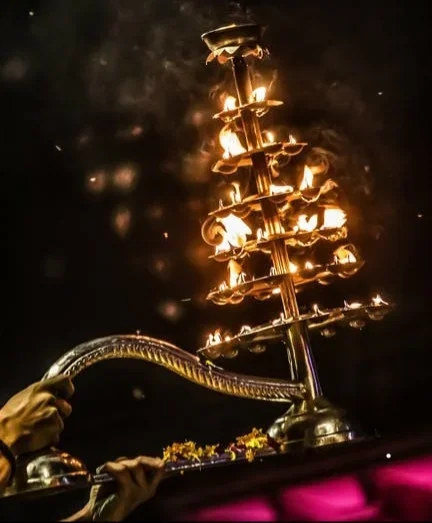
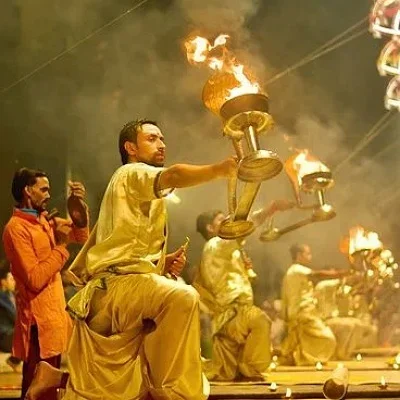
The return of Lord Rama ignited an unparalleled fervor throughout Ayodhya. The city, which had appeared desolate in his absence, was instantly revitalized, adorned with lamps, flowers, and festive decorations. Every street and home buzzed with celebratory sounds, echoing the collective joy of a populace reunited with its divine ruler. The sheer scale of the welcome underscored the deep love and reverence the people held for Rama, recognizing him not just as a king but as a divine protector.
The preparations for Lord Rama’s Coronation were immediate and elaborate, overseen by the venerable Sage Vashistha, the royal preceptor. Every detail was meticulously planned to ensure that the ceremony was conducted according to Vedic injunctions and bore the utmost spiritual sanctity. Messengers were dispatched to invite kings, sages, and respected dignitaries from across Bharatavarsha. Sacred waters from various holy rivers, including the Ganga, Yamuna, and Saraswati, and from the oceans, were collected for the auspicious abhishekham (sacred bath). Precious herbs, rare jewels, and elaborate garments were gathered, transforming Ayodhya into a celestial realm.
The entire kingdom participated in the preparations, each citizen contributing in their own way, driven by devotion and an overwhelming desire to witness the return of Dharma. The atmosphere was charged with spiritual energy, as prayers and Vedic hymns filled the air, consecrating the environment for the divine event. The anticipation for Lord Rama’s Coronation reached its zenith, promising an era of unparalleled peace and prosperity under his righteous rule.
The Divine Ceremony: Spiritual Significance of Lord Rama’s Coronation
The day of the coronation dawned with an ethereal glow, signifying the descent of divine grace upon Ayodhya. The ceremony commenced with purification rites for Lord Rama and Sita. They were bathed in the sacred waters, adorned with magnificent attire and priceless ornaments, and led to the royal assembly, where an array of gods, sages, kings, and common folk had gathered. The spiritual story of Lord Rama’s Coronation unfolds as a majestic tableau of cosmic order being restored.
Under the guidance of Sage Vashistha, accompanied by other revered sages like Jabali, Kashyapa, Katyayana, and Markandeya, the main rituals began. Rama was seated on a magnificent throne alongside Sita, symbolizing his role as the righteous ruler and her as the epitome of virtue, embodying the ideal partnership in governance. The most significant part of the ceremony was the abhishekham, where the sacred waters collected from the seven seas and holy rivers were poured over Rama and Sita, accompanied by the chanting of powerful Vedic mantras. This ritual purified them and imbued them with divine energy, preparing them for their roles as rulers of the cosmos. The gods themselves, led by Brahma and Indra, are believed to have descended to witness this epochal event, showering flowers and blessings from the heavens.
Key moments during the ceremony included:
- The Abhishekham: The anointing with sacred waters, symbolizing purity, strength, and divine sanction for rule.
- The Royal Regalia: Rama was presented with the royal crown, scepter, and other emblems of sovereignty, each imbued with symbolic meaning.
- Blessings from Sages: The assembled sages offered their profound blessings, ensuring the success and righteousness of Rama’s reign.
- Vows of Dharma: Rama reaffirmed his unwavering commitment to Dharma, vowing to govern with justice, compassion, and unwavering adherence to righteous principles.
Each ritual performed during the coronation underscored the spiritual dimensions of kingship in ancient India, where a ruler was considered a custodian of divine law, responsible for the moral and material well-being of his subjects. The ceremony was not just a political transition but a spiritual consecration, marking the beginning of an era of unprecedented righteousness.
For more detailed information on the epic narrative, explore the Ramayana, the ancient Indian epic that beautifully narrates these events. The ancient city of Ayodhya itself holds immense historical and spiritual significance as the backdrop for this divine drama.
Ram Rajya: The Ideal Governance Established
With Lord Rama’s Coronation, a new golden age dawned upon the world, famously known as ‘Ram Rajya.’ This was not merely a period of political stability but a profound spiritual and ethical transformation of society. Ram Rajya symbolizes an ideal state of governance where Dharma (righteousness), justice, peace, and prosperity reign supreme. In this era, the king was not an absolute monarch but a servant of his people, embodying the highest moral principles.
The principles of Ram Rajya included:
- Upholding Dharma: Every action, law, and decision was rooted in ethical and moral principles, ensuring righteousness prevailed. The concept of Dharma is central to understanding this ideal.
- Justice for All: Impartial justice was dispensed to every citizen, regardless of their status, ensuring equality and fairness.
- Welfare of the People: The king’s primary duty was the well-being and happiness of his subjects, providing for their material and spiritual needs.
- Absence of Greed and Suffering: The kingdom was free from poverty, illness, and crime, fostering an environment of contentment and harmony.
- Harmony with Nature: People lived in harmony with the environment, respecting all forms of life, reflecting the values of the Treta Yuga in which Rama lived.
Rama’s rule set an unparalleled example of selfless leadership, where the personal desires of the ruler were always subservient to the collective good of the populace. His actions, decisions, and governance became the blueprint for ideal kingship and continue to inspire leaders and citizens alike about the true purpose of authority and public service.
Legacy and Everlasting Inspiration of Lord Rama’s Coronation
The spiritual story of Lord Rama’s Coronation in Ayodhya transcends time, offering humanity a blueprint for ideal living and governance. It is a narrative that celebrates unwavering devotion, exemplified by Bharata and Hanuman; immense sacrifice, evident in Rama and Sita’s exile; and the ultimate triumph of truth and righteousness. The coronation symbolizes the victory of Dharma over Adharma, light over darkness, and order over chaos. It serves as a perennial source of inspiration, reminding us that even amidst the darkest trials, faith, perseverance, and adherence to moral principles will ultimately lead to triumph.
The figure of Lord Rama, the compassionate and just king, continues to inspire millions to walk the path of Dharma. His life, from his birth to his coronation, illustrates the perfect human being (Purushottama) and the ideal ruler. The coronation is not just the end of a long journey but the beginning of an eternal legacy that teaches us about duty, courage, humility, and the profound impact of selfless service.
The sagely wisdom imparted by figures like Sage Vashistha during this period also highlights the critical role of spiritual guidance in governance and personal life. The lessons from Lord Rama’s Coronation encourage individuals to strive for excellence in their own roles, to practice compassion, and to always choose the path of righteousness, no matter the challenges.
The spiritual story of Lord Rama’s Coronation in Ayodhya is more than a historical account; it is a foundational narrative in Hindu culture that offers deep spiritual insights and practical wisdom for living a virtuous life. By reflecting on the ideals of Ram Rajya and the impeccable character of Lord Rama, we can draw inspiration to cultivate peace, justice, and harmony in our own lives and communities. Embrace the timeless wisdom encapsulated in the grand celebration of Lord Rama’s Coronation and let its light guide your path towards righteousness and selfless service.
Frequently Asked Questions
Q1. What is the significance of Lord Rama’s Coronation?
Lord Rama’s Coronation marks the end of his fourteen-year exile and the triumphant return of righteousness (Dharma) to Ayodhya. It symbolizes the victory of good over evil, the restoration of cosmic order, and the establishment of an ideal state of governance known as Ram Rajya, offering timeless lessons on duty and leadership.
Q2. What is Ram Rajya, and what are its core principles?
Ram Rajya is an ideal state of governance established after Lord Rama’s coronation, characterized by supreme Dharma, justice, peace, and prosperity. Its core principles include upholding ethical and moral values in every decision, dispensing impartial justice to all citizens, prioritizing the welfare and happiness of the people, and fostering an environment free from poverty, illness, and crime.
Q3. Who played key roles in Lord Rama’s return and coronation?
Key figures included Lakshmana, Hanuman, and the Vanara Sena who aided in the epic battle and journey home. Bharata, Rama’s devoted brother, ruled as his regent during the exile and eagerly welcomed him back. The venerable Sage Vashistha, the royal preceptor, meticulously oversaw all the elaborate preparations and rituals for the grand coronation ceremony.
Q4. How did Ayodhya prepare for Lord Rama’s Coronation?
Ayodhya was instantly revitalized and adorned with lamps, flowers, and festive decorations upon Rama’s return, buzzing with celebratory sounds. Preparations for the coronation were elaborate and immediate, overseen by Sage Vashistha, involving the collection of sacred waters from holy rivers and oceans, and gathering precious herbs, jewels, and garments to transform the city into a celestial realm for the divine event.
Q5. What is the lasting legacy of Lord Rama’s Coronation?
The lasting legacy of Lord Rama’s Coronation is a blueprint for ideal living and governance, inspiring humanity through its celebration of devotion, sacrifice, and the ultimate triumph of truth. It serves as a perennial source of inspiration, reminding individuals to walk the path of Dharma, practice compassion, and strive for excellence, fostering peace, justice, and harmony in society.