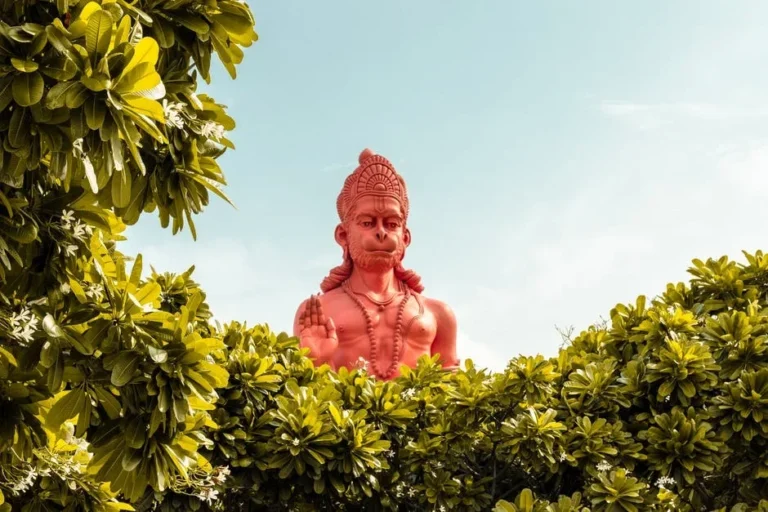
Mantra Practice for Inner Transformation
Mantra Practice is a powerful tool for sculpting the mind, easing emotional turbulence, and inviting a sustainable sense of peace. By repeating a chosen sound or phrase—whether silently or aloud—practitioners tap into neurobiological patterns that foster focus, emotional regulation, and spiritual growth. From ancient Vedic traditions to modern mindfulness courses, the practice of mantra has proven its relevance across cultures and time.
How Mantras Shape the Brain
Scientific evidence indicates that mantra repetition triggers rhythmic brain waves linked to deep meditative states. During prolonged practice, areas responsible for self‐awareness and executive function—namely the anterior cingulate cortex and prefrontal lobe—exhibit increased structural density. This neuroplasticity translates into heightened emotional resilience, improved cognitive flexibility, and reduced physiological markers of stress such as cortisol levels. For anyone curious about the science, the Wikipedia entry for Mantra offers a concise overview of these mechanisms.
Choosing a Mantra That Resonates
Unlike a generic affirmation, a meaningful mantra often carries an intrinsic vibration or linguistic cadence that aligns with cultural or personal context. Religious scholars note that syllables like “Om” or “So Hum” carry phonetic qualities believed to mirror cosmic frequencies. However, secular practitioners may opt for simple, affirmative statements such as “I am present” or “peace deepens.” The key is consistency: recite the mantra daily, preferably during a quiet moment dedicated to mindfulness meditation, to cultivate lasting transformation.
Integration Into Daily Life
The efficacy of mantra practice multiplies when incorporated into everyday routines. Here is a simple framework for beginners:
- Morning anchor: Before work, sit for five minutes, recite the mantra slowly, and set an intention for the day.
- Breathing pause: In moments of rising tension, inhale while saying the mantra and exhale, turning the sound into a gentle breath‑anchor.
- Evening reflection: Finish the day with a ten‑minute practice, allowing the mantra to settle residual stress.
Researchers at NIH highlight that even short, consistent practices can yield measurable reductions in perceived stress, suggesting mantra can serve as a bridge between ritual and routine. Additionally, per the Stanford Center for Mindfulness, such practices enhance mental clarity and improve decision‑making by reinforcing the executive network.
Mantra Practice and Spiritual Growth
Beyond the neurological and practical benefits, the repetition of a mantra invites a profound psychological shift: the dissolution of egoic chatter and the emergence of an expanded field of awareness. In Buddhist contexts, mantra chanting is considered a form of mantra meditation, where sound acts as a gateway to deeper states of consciousness. Likewise, in Hindu traditions, Japa—the repeated utterance of a sacred name—facilitates the dissolution of personal identity and union with the universal self. Whether approached as a devotional ritual or a secular practice, mantra serves as a subtle yet potent catalyst for spiritual growth.
Measuring Inner Transformation
While quantitative metrics are limited, several qualitative indicators suggest a meaningful inner shift:
- Reduced rumination: Greater ability to observe thoughts without engagement.
- Enhanced empathy: Increased tolerance for diverse perspectives.
- Stable energy: Consistent emotional bandwidth across day-to-day challenges.
These signs align with findings in the Encyclopedia Britannica description, which emphasizes that meditation practices—including mantra—ultimately refine the mind’s capacity for sustained awareness and equanimity.
Strengthen the Practice with Community Guidance
Joining a guided group, whether in-person or virtual, offers accountability, shared insights, and access to seasoned instructors. Many online platforms now offer structured mantra courses that integrate breathing technique with rhythmic chanting, appealing to both novices and advanced practitioners. Furthermore, integrating mindfulness technology—apps with guided chants or biofeedback features—can calibrate practice intensity and track progress.
Conclusion and Call to Action
Mantra Practice transcends mere repetition; it is an intentional, mindful pulse that can refine mental clarity, calm the nervous system, and trigger deep inner transformation. By anchoring your daily rhythm with a personalized mantra, you lay the groundwork for stronger focus, richer emotional resilience, and a path toward profound spiritual insight. Begin your mantra journey today—discover the transformative power of sound and breath, and unlock a calmer, more centered you.
Frequently Asked Questions
Q1. What is a mantra and why repeat it?
A mantra is a short word or phrase whose repeated utterance is believed to influence the subconscious mind. The rhythmic recitation creates a steady internal tone that helps calm the nervous system, making it easier to focus and stay present. Over time, this practice can reshape neural pathways and produce lasting changes in emotional regulation.
Q2. How does mantra practice affect the brain?
Scientific studies have shown that mantra repetition induces slow‑wave brain activity similar to deep meditation. Areas governing self‑awareness and executive control, such as the anterior cingulate cortex and prefrontal lobe, develop greater structural density. This neuroplasticity boosts resilience, enhances decision‑making, and lowers physiological markers of stress like cortisol.
Q3. How often should I chant a mantra?
Consistency is key—aim for daily practice, even if only five to ten minutes at a time. Short, focused sessions (morning, mid‑day, evening) are more effective than one long block. Gradually increase duration as you become comfortable, but the quality of attention matters more than length.
Q4. Can mantra practice help with stress?
Yes. Research from institutions such as NIH demonstrates that brief, regular mantra chanting can reduce perceived stress scores. The practice couples breath and sound, creating a calming anchor that keeps the body in a relaxed state even during stressful moments.
Q5. Is mantra practice suitable for non‑religious people?
Absolutely. While mantras often have spiritual roots, they function primarily as cognitive tools for focus and emotional balance. You can choose neutral affirmations, like “I am present” or “peace deepens,” and benefit from the same neurobiological effects.