Hindu Devotional Practices Guide
Embarking on Hindu devotional practices offers a profound way to connect with the divine and bring inner peace into everyday life. Whether you are drawn to the rhythmic chants of mantras or the comforting sight of a carefully arranged altar, learning the basics can transform a simple routine into a meaningful spiritual journey. This guide introduces beginners to the essential practices of Hindu devotional practices, from crafting a personal worship space to engaging with community rituals, ensuring you feel confident and supported as you start.
Understand the Core Philosophy
At its heart, Hindu devotional practices (bhakti) focuses on cultivating love and devotion toward a chosen deity. Unlike other religious traditions that emphasize legalistic frameworks, bhakti invites a personal, emotional relationship with the divine. The tradition categorizes various paths—Jnana (knowledge), Raja (royal discipline), and Vairagya (detachment)—but devotional practice remains central across all streams.
To begin, it’s helpful to explore foundational concepts like Hinduism on Wikipedia, which outlines its principles, myths, and cultural presence. Understanding these ideas can guide you in choosing which aspects resonate most with you and how to integrate them into everyday life.
Choosing a Deity and Reverence
Most personal devotion centers around one or more principal deities: Krishna, Shiva, Vishnu, or the mother goddess (Devi). Selecting a deity often depends on personal inclination, family tradition, or which mythological story inspires you. This choice dictates the rituals you will perform and the symbols you will use.
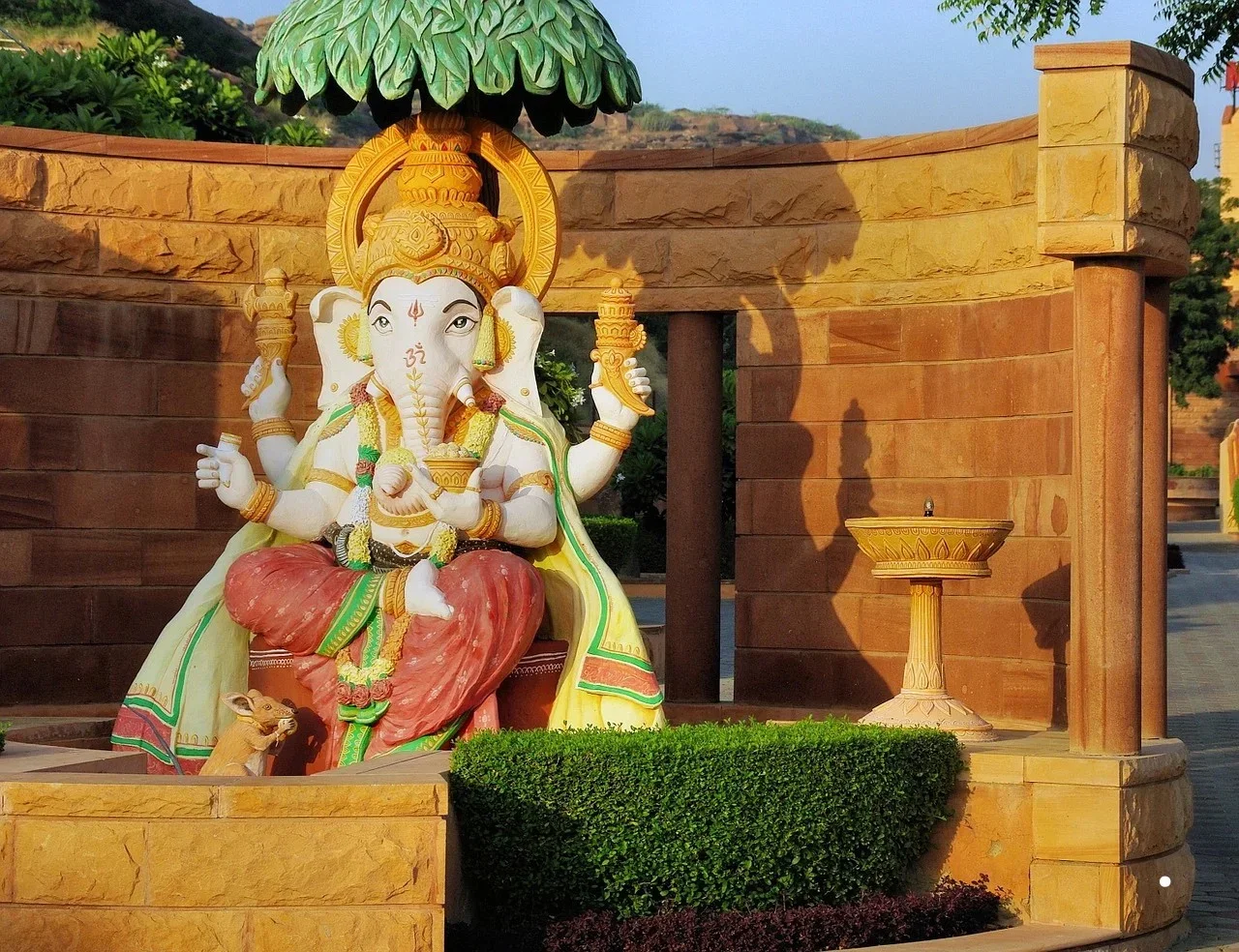
- Identify Your Holy Icon (e.g., an image of Shiva or a clay statue of Ganesha).
- Learn the Deity’s Stories – reading sacred tales from the Mandir Meaning or the Vedas helps connect physically with the narratives.
- Set Up an Altar – a clean monk’s octave, with incense, flowers, and small items you honor.
- Decide Your Daily Interaction – morning chanting, evening gratitude, or guided prayer during specific times.
Let this simple altar become a focal point of your consciousness, reminding you of the divine presence each day.
Daily Rituals and Prayers
Establishing a simple routine anchors your practice. Below is a step‑by‑step list you can adapt to your schedule, ensuring consistent engagement without feeling overwhelmed.
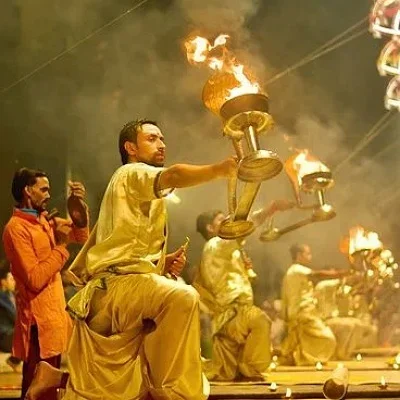
- **Morning Invocation**: Begin each day by offering Puja—a brief act of offering light, incense, and food to the deity. Keep it under three minutes, focusing on breath and presence.
- **Mantra Repetition**: Chant a chosen mantra (e.g., “Om Namah Shivaya” for Shiva devotees). Repeat it 108 times using a mala (prayer beads) to maintain rhythm and concentration.
- **Daily Journal**: Write a short reflection on the day, noting gratitude moments and any spiritual insights. This cultivates mindfulness and keeps the practice tangible.
- **Evening Gratitude**: Conclude the day by adding a small offering—pyro‑smoke, a piece of fruit, or a drop of water—during a silent moment of thanks.
These rituals need not be rigid. Adjust the lengths or elements to suit your life, keeping the essence of devotion alive.
Meditative Practices and Mantras
Beyond organized rituals, meditation plays an essential role in deepening Hindu devotional practices. By quieting the mind, you can experience a direct sense of the divine. An effective starting point is the meditation technique of breath counting or focusing on a single mantra (like “Om Gam Ganapataye Namaha”).
During meditation, it can be helpful to use guiding visualizations: imagine the deity’s presence surrounding you, symbolically represented by light or color. Though simple, such visualization enriches emotional connection and offers comfort during stressful moments.
Community and Festivals
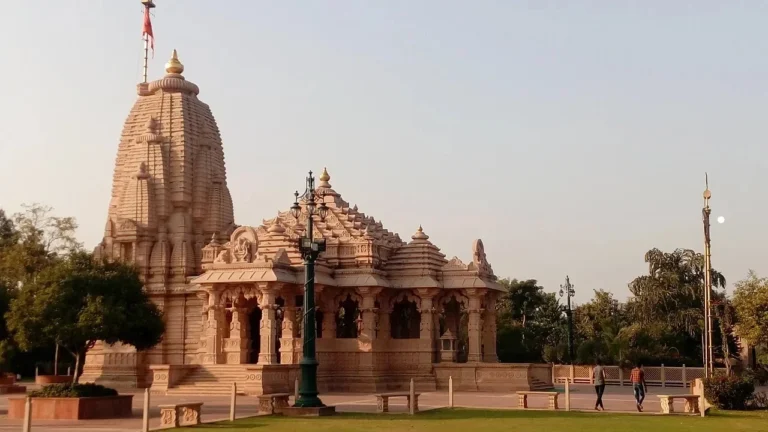
Participation in communal worship enhances the practice’s vibrancy. Attending temple services, singing bhajans with a group, or observing festivals like Diwali (Lord Rama) or Navaratri (the goddess) creates a sense of belonging and shared devotion. Even small gatherings at home—like singing “Hare Krishna” or gathering for a communal puja—can foster spiritual solidarity.
To get deeper insights about cultural aspects, read academic analyses in resources such as Harvard University publications on South Asian religion or the Institute’s Insights on comparative faith traditions.
Conclusion: Embrace Your Journey Today
Sanctioning your path through Hindu devotional practices is a deeply personal and uplifting endeavor. Building an altar, practicing mindful puja, chanting heart‑felt mantras, and engaging with community traditions create a holistic framework that nurtures both spirit and well‑being. While the steps outlined above serve as a solid foundational guide, remember that the essence lies in consistency and genuine devotion.
Take the first step today by setting up a small altar or choosing a mantra that speaks to your soul. Let the rhythms of devotion guide your breaths, and allow the practice to evolve naturally with your life’s journey. For more detailed learning, you can explore courses offered by reputable institutions like The Hindu Church, which provide structured paths for beginners. Embrace the path forward with open heart and mindful presence—your devoted practice awaits!