Discovering Sacred Rivers’ Spiritual Meaning
When we think of spirituality, images of quiet forests, chanting monks, or sunrise prayers often come to mind. Yet, the gentle flow of a river can also embody profound sacredness. Throughout history, cultures have recognized rivers as living vessels that cleanse the soul, nurture the body, and connect the earthly realm with the divine. The spiritual meaning of sacred rivers runs deep across continents—from the holy Ganges in India to the revered Nile in Egypt—and reveals how water is celebrated as a source of renewal, wisdom, and community. This article explores the universal language of flowing water, how it shapes rituals, myths, and cultural identity, and why understanding these rivers can deepen our own spiritual practice today.
Sacred Rivers: Global Pervasiveness
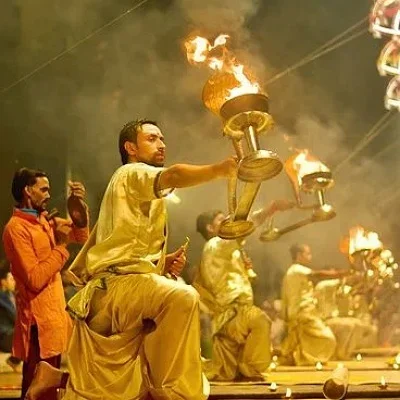
Across nations, the concept of a sacred river appears almost universally. In South Asia, the Ganges River is revered as a goddess, whose ritual baths are believed to wash away sin and unlock enlightenment. Ganges River is wedded to countless festivals, such as Kumbh Mela, the world's largest pilgrimage. In Africa, the Nile is steeped in symbolism, connected to the life-giving cycles that sustained ancient Egyptian civilization. Egypt’s legendary pharaohs and their temples celebrated the Nile’s annual flooding as a divine gift. Similarly, the Yamuna River in North India offers a holy encounter for Hindus, crocus temples, and pilgrimage spots. Yamuna River is situated between the holy cities of Delhi and Agra, creating a vibrant ring of religious activity.
Though we may not all live near these waters, we can still feel their resonance. The sacred rivers signify binding ties between humanity and earth, encouraging a dynamic relationship in which we share nourishment and reverence. This is also reflected in many Native American traditions that see rivers as ancestors, vital for ceremony and storytelling. Thus, the global pervasive nature of sacred rivers underscores a shared belief in water as an enduring spiritual vessel.
Sacred Rivers: Spiritual Purification and Ritual Cleansing
Water is inherently a purifier. In many religious practices, sacred rivers function as a medium for converting impurity into sanctity. Ritual bathing—whether it is a Hindu’s dip in the Ganges before a yajna (sacrificial ceremony) or a Christian’s immersion in a river during baptism— embodies physical and metaphoric purification. Historical accounts describe how citizens of ancient Rome washed their don't before prayer in the Tiber, believing that a clean body approached a clean mind.
Water as a Mirror of the Self
The reflective surface of a river holds the ability to mirror our inner worlds. Psychologists note that walking beside a flowing water body can reduce stress and enable reflective meditation. Spiritual leaders often share stories of individuals whose feelings of isolation fade when they stand beside a river, allowing the quiet rush to render them receptive to introspection. Thus, river viewing becomes a powerful companion for meditation, encouraging individuals to observe their thoughts flowing like that of the water itself.
Sacred Rivers: Mythology and Scripture
Many cultures ascribe mythological origins to their rivers, positioning them as divine gifts. In Vedic literature, the Ganges is not merely a river; it is the sacred ascetic who descended to earth, smoothing the human mind. In the Book of Revelation, the “river of water” flows from the throne of God in Heaven, illustrating a theological connection between celestial immortality and earthly purity. The ancient Greeks, too, saw the river gods, such as Styx, as moral guardians that guide souls across the underworld. The Egyptian Nile was seen as the quenching companion of the sun, both sustaining the land and representing the divine order of the cosmos.
Sacred Rivers: Cultural Heritage and Indigenous Traditions
An essential part of any indigenous culture is ritual reverence for local rivers. Among the Māori tribe, the river known as Waikārearea informs many haka, dance, and compositional chants that reflect the cyclical rise and fall of tides. The Appalachian Trail, carved along the Pigeon River, preserves Native American legends that reference the river as a mailbox of ancestral voices. UNESCO’s World Heritage Sites often feature riverine sites crucial to cultural identity—such as the Ghats of the Ganges in Varanasi, classified as an outstanding example of a water-based infrastructure that has historically fueled religious practices.
- Hindu purification rituals in the Ganges before the Kumbh Mela
- Christian baptisms by the River Jordan at Jordan River Memorial Park
- Indigenous river-based storytelling sessions in the Clearwater River valley
- Egyptian Nile flood festivals celebrating agricultural blessings
- Japanese “River Blessing” ceremonies honoring the soul of the water itself
Sacred Rivers: Modern Spirituality and Ecological Awareness
Today’s environmental challenges have prompted more people to treat sacred rivers as living beings that require stewardship. The water quality reports from the River Definition highlight how pollution threatens not only ecosystems but also sacred rituals. In response, communities are engaging in river clean‑up projects, eco‑spiritual retreats, and broader environmental advocacy. By combining spirituality with activism, individuals find a renewed sense of purpose—aligning “sacred waters” with sustainability practices.
When we partake in mindful river walks, we not only honor the history of sacred pilgrimage but also become part of a living continuum. The synergy between the serenity of water flow and the urgency of ecological care reminds us that reverence for rivers extends to actionable stewardship. Because every drop of water plays a role in the ecosystem, we owe rivers the same respect we pay tributes to divine forces.
Sacred Rivers: A Personal Invitation
As we journey through life, our search for meaning often leads us to the water that has sustained our ancestors. By listening to the subtle narratives of rivers—whether it is a quiet Japanese stream, a mighty African flood, or a desert mirage—each of us can find a moment of clarity and renewal.
Call to Action
Take the next step in honoring the spiritual significance of Sacred Rivers: Plan a mindful visit to a local river, participate in a cleansing ritual, or join community clean-up initiatives. Share your reflections and experiences on social media with the hashtag #SacredRiversJourney. Together, let’s preserve the sanctity of water for future generations while deepening our own inner connection with this life‑giving force.
Frequently Asked Questions
Q1. What makes a river sacred?
A sacred river is revered as a living entity, symbolizing purification, renewal, and divine presence. It often bears cultural myths, religious rituals, and historical significance that bind communities to the waterway. In many traditions, specific rituals or festivals center on the river’s flow, turning ordinary water into a spiritual conduit.
Q2. Which rivers are most famous for their sacred status?
The most prominent sacred rivers include India’s Ganges, the Nile in Egypt, the River Jordan in the Biblical tradition, and Japan’s Kamo and Nagara Rivers. Each holds unique rituals and myths reflecting regional spirituality.
Q3. How can I personally honor a sacred river I visit?
Engage in respectful practices: avoid littering, observe local customs, join guided cleansing rituals if available, and reflect on the river’s flow through mindful walking or meditation.
Q4. What role does ecological stewardship play in protecting sacred rivers?
Maintaining water quality safeguards both spiritual rites and biodiversity. Communities often organize clean‑ups, advocate for pollution controls, and support sustainable water use, ensuring rivers remain sacred for future generations.
Q5. Can modern spirituality incorporate river reverence outside traditional religions?
Absolutely. Many contemporary practices—eco‑spiritual retreats, mindfulness walks, and interfaith festivals—celebrate rivers as symbols of life, renewal, and interconnectedness, emphasizing personal growth and environmental responsibility.