Exploring Hindu Festivals Rituals
Hindu Festivals are a vibrant tapestry of rituals, devotion, and community that illuminate the spiritual and cultural life of millions across the world. These celebrations, ranging from grand national observances to intimate household rites, reveal the layered cosmology and devotional practices central to Hinduism. By examining the origins, iconography, and symbolic meanings embedded in each festival, one gains insight into the ways faith and daily life intertwine in a rich Indian cultural heritage. Whether celebrating on the auspicious day of Diwali or singing the hymns of Ganesh Chaturthi, participants experience an embodiment of divine narratives that transcend time and geography.
Historical Roots of Hindu Festivities
Single threads of tradition weave together to form the great tapestry of Hindu observances. Historical evidence points to ancient Vedic hymns, the Puranic poetry, and the epics—Mahabharata and Ramayana—as foundational texts that contextualize many festivals. The transition from mythic to temporal custom is seen in the spread of the Sankranti—solar‑based festivals tied to each zodiac sign—across rural and urban contexts in India. Modern scholarship recognizes these festivals as living, evolving practices, dynamically interacting with social structures such as caste, gender, and regional identity.
Central Themes Across Celebrations
Despite the wide diversity, Hindu festivals share recurring themes such as purification, renewal, and communal bonding. The cyclical concept of time, or kalachakra, underpins the timing of observances, reminding devotees of the relentless flux inherent in existence. Ritual elements such as puja (worship), prasad (sacred offering), and homam (fire prayer) are standard across festivals, yet each festival adapts these components to local myths and cultural nuances.
- Purification through bathing and fasting
- Offerings that celebrate abundance and gratitude
- Community feasting that reinforces social cohesion
- Public display of art and architecture, such as torans and mandalas
- Music and dance that narrate mythology
Notable Hindu Festivals and Their Significance
1. Durga Puja—Celebrated primarily in West Bengal, this festival honors the goddess Durga’s victory over the demon Mahishasura. The Encyclopædia Britannica article highlights the ritual of worshipping a clay idol that is subsequently immersed, symbolizing the impermanence of material forms.
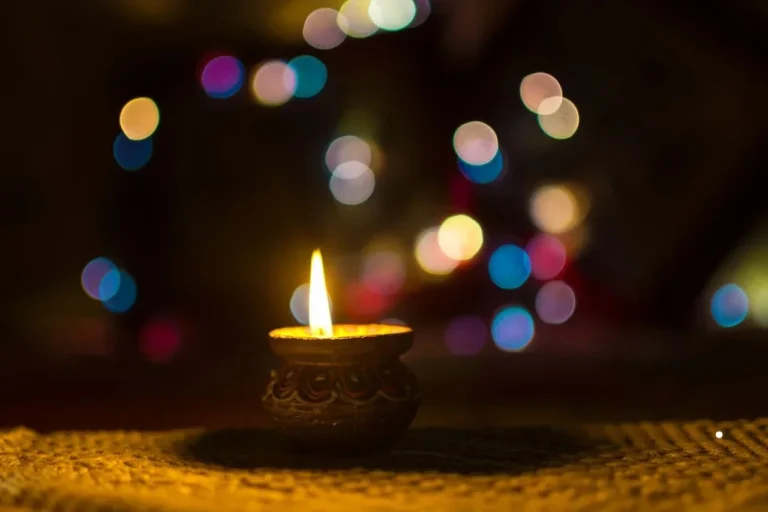
2. Diwali – The Festival of Lights—Observed across India and the diaspora, Diwali marks the victory of light over darkness. It integrates the worship of Lakshmi (wealth) and Rama (heroic virtue), involving the lighting of diyas, the exchange of sweets, and elaborate fireworks to signify the triumph of good.
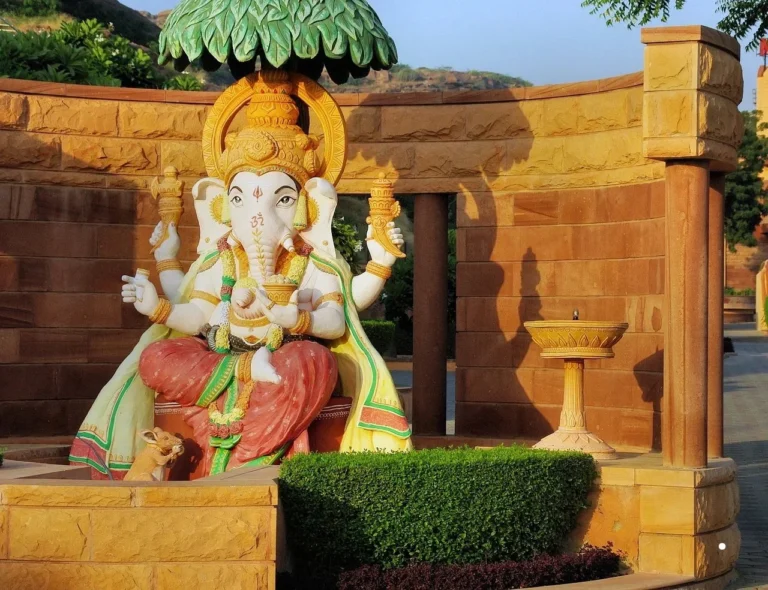
3. Ganesh Chaturthi—Dedicated to Lord Ganesha, the remover of obstacles, this festival features 52‑day celebrations in communal tanks. Scholars note how the immersion of Ganesha’s idol adheres to principles of ecological stewardship, illustrating the spirituality intertwined with environmental consciousness.
4. Onam – Kerala’s Harvest Celebration—Onam is a re‑creation of King Mahabali’s annual return, celebrated with a floral konko and a multi‑cuisine feast. The festival exemplifies the regional variation in festival theology, while still drawing on common motifs of generosity and reunion.
Contemporary Practice in a Global Context
Today, Hindu festivals transcend geographical borders, finding expression in cosmopolitan centers such as New York, London, and Sydney. The diaspora has preserved key rituals yet adapted them; for instance, temple fairs now take place in community halls, and virtual puja sessions allow followers to participate from anywhere. These global manifestations underscore the durability of Hindu festivals and their capacity to foster a shared identity across diverse locales.
Academic institutions continue to analyze these practices. Research at University of California showcases studies on the sociocultural impact of festivals, documenting how they knit together traditions, social networks, and economic livelihoods.
Practical Guidance for Observers and Participants
For those wishing to partake or observe, here are key guidelines:
- Research the particular deity, history, and timing of the festival.
- Respect local customs and regulations—such as food restrictions or fire safety laws.
- Engage in puja with sincerity; it can be performed at home or in community temples.
- Honor the principle of non‑violence by choosing plant‑based food for festivals like Vishwakshetra.
- Support local artisans and businesses during festival fairs to sustain cultural economies.
Conclusion: A Call to Explore & Preserve
Hindu festivals remain powerful mediums through which ancient cosmology meets everyday experience, offering lessons of resilience, generosity, and unity. By deepening our understanding, whether through firsthand participation or scholarly research, we contribute to sustaining a living heritage that continues to inspire millions. Explore more about Hindu culture, visit a local temple, or plan a cultural tour to experience these celebrations in their full splendor. Discovering the heart of these festivals nurtures a global sense of shared humanity, making each celebration more than a ritual—it becomes a bridge across time, space, and faith.
For additional resources and an expanded list of festivals, refer to the Wikipedia page on Hindu festivals and unravel the mosaic of traditions that go beyond words.
Frequently Asked Questions
Q1. What are Hindu festivals and why are they celebrated?
Hindu festivals are community events that celebrate myths, seasons, and deities. They mark spiritual milestones, express devotion, and reinforce cultural identity. Each festival has unique rituals like puja, fasting, and feasting that invite participation across generations.
Q2. How do the rituals differ between festivals?
While puja, offering, and fire rites are common, each festival adapts these practices to its theme. Diwali emphasizes lights and fire for Lakshmi, Durga Puja focuses on clay idols and immersion, and Ganesh Chaturthi highlights communal immersion and environmental symbols.
Q3. Which major festivals celebrate the victory of light over darkness?
The most prominent example is Diwali, where diyas, fireworks, and sweets symbolize the triumph of good over evil. Other light‑centric festivals include Deepavali in South India and the regional Fakhry festivals.
Q4. Can non‑Hindus participate in these festivals?
Yes, many festivals welcome visitors. Non‑Hindus can join temple fairs, observe puja, or attend cultural programs respectfully, learning about the traditions while following local customs.
Q5. How has the diaspora adapted Hindu festivals?
In cities like New York or London, temples hold community fairs, use virtual puja platforms, and adapt food offerings to local regulations, preserving core rituals while accommodating modern lifestyles.