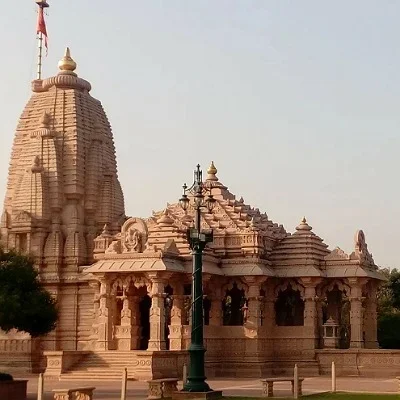
Ram Setu Spiritual Journey
The ancient Indian narrative of Ram Setu, often referenced as the bridge connecting the Indian subcontinent to Sri Lanka, carries a profound spiritual dimension rooted in divine determination. This sacred structure, as described in the epic Ramayana, exemplifies the unwavering resolve of Lord Rama and his celestial allies to achieve a divine objective: the rescue of Sita from the tyrant king Ravana and the restoration of dharma. Discovering its mythic origins and modern implications invites believers and scholars alike to contemplate the convergence of faith, history, and environmental stewardship that it embodies. In this exploration, we delve into the resonance of Ram Setu within the spiritual traditions of India, the narratives that shape its mythological relevance, and the tangible evidence that has been debated in contemporary scientific circles.
Ram Setu and the Divine Determination
Within the Ramayana, the construction of Ram Setu is portrayed as an act of divine determination, orchestrated by the celestial army of Rama, the Pandava forces, and Vibhishana’s support from Sri Lanka. This bridging endeavor was not merely a symbolic gesture; it functioned as a strategic passage to reunite the world of mortals with the realm of the divine. The entire project showcases profound themes of perseverance, faith, and moral courage—key values that resonate across the Hindu belief system.
As a spiritual icon, Ram Setu embodies the divine will of the universe manifesting in a tangible form. NASA has observed stone structures in the Indian Ocean (Ref. Wikipedia) that indicate the presence of a geological bridge, further enshrining the bridge’s significance to the faith. The divine determination that underpins the concept of Ram Setu illuminates how faith can drive humans toward unity and harmony across natural boundaries.
Mythological Roots of Ram Setu
Ram Setu’s mythological roots trace back to the collaborative efforts of Rama’s divine army, where each stone placement symbolized a spiritual lesson. In the epic, Rama’s struggle against Sriravana is a fulcrum of this faith, and each pillar of the bridge illustrates particular virtues, such as resilience, righteousness, and devotion. These values echo the intrinsic belief that each human action should reverberate toward cosmic equilibrium.
By honoring the bridge, devotees maintain communication with the divine. The pilgrimage to Ram Setu during the Sankranti season encapsulates this reverent act, emphasizing how the bridge serves to strengthen human connection and divine proximity, culminating in collective celebration of diverse traditions. The spiritual heritage of Ram Setu is also reflected in practice, such as the recitation of mantras and meditation rituals performed while walking across the stone route.
Historical and Archaeological Insights
Scholars and archaeologists exploring Ram Setu examine historical clues from maritime records and geological surveys. Excavations carried out by the Archaeological Survey of India (ASI) and collaborated teams have painted a larger picture of ancient trade routes in the Indian Ocean. The ASI mission has revealed that the structure was constructed using basaltic rocks that match the geology of ancient volcanic islands.
While archaeological evidence offers insight into an ancient civilization’s maritime capabilities, it also provides context on how Ram Setu might have shaped early seafaring societies. The alignment of the structure with the equator crystallizes the significance of its near-vertical mountains of stone, signifying a harmony between earthly and divine forms. Academic consensus indicates that if the physical bridge existed, it could have been a critical link for maritime travel and trade between India and Sri Lanka, intertwining religious myth and spontaneous geography.
Cultural Significance and Contemporary Reflections
Ram Setu’s cultural manifestation is multifarious. Religious ceremonies along its path include rituals that celebrate the waterside sentinel stones and an educational segment that trains gap‑bridge builders in controlling erosion and preserving the delicate marine ecosystem. The bridge has been hailed as the birthplace of maritime trade, fostering relationships between castes and social orders that thrived on the sea. Moreover, by returning to the freshwater historians, we find that the structure confirms historical accounts that detail the ideological expansion of maritime empires in South Asia.
- Revival of traditional boat‑building and navigation techniques
- Integration of eco‑conservation practices for marine habitats
- Promotion of interdisciplinary research among historians, architects, and environmental scientists
- Reintroduction of regional festivals to celebrate shared heritage
Contemporary policy debates center on preserving Ram Setu for both its environmental integrity and cultural memory. In 2019, the Supreme Court of India declared it a sacred site, safeguarding it from industrial exploitation (see Britannica). The government’s environmental registration initiative is a step toward integrating the site into national heritage protection frameworks, ensuring continued research and cultural reverence for future generations.
Concurrently, environmentalists highlight the bridge’s importance as a marine corridor that nurtures biodiversity along the Coromandel Coast. Policies designed to blend spiritual care, academic pursuit, and ecological safety deepen the narrative of Ram Setu as both a natural checkpoint and a point where the divine interacts with the material world.
Conclusion: A Call to Spiritual Engagement
The essence of Ram Setu transcends geological curiosity— it is a testament to divine determination, a cultural artifact that unites faith with the modern world’s realities. By acknowledging its mythic roots, supporting archaeological endeavors and ensuring the ecosystem’s restoration, we conservatively honor a bridge that symbolizes moral, spiritual, and social cohesion. Let this story of ancient faith inspire contemporary stewardship, encouraging you to explore Ram Setu’s legacy and consider how divine determination can guide sustainable values today.
Join the UNESCO discussions and become a part of preserving Ram Setu’s cultural and environmental heritage.