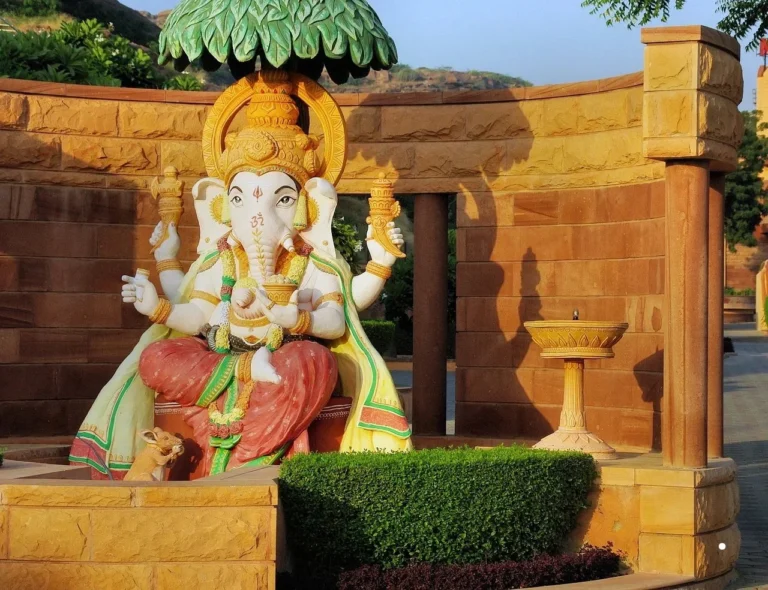
Krishna Guides Arjuna Crisis
When Arjuna stood on the grassy banks of the river Ganges, rain‑laden ponies thundering beside him, the battlefield of Kurukshetra looked like a canvas of foreboding uncertainty. In that instant, the world’s weight condensed into a single, bewildering question: “What path am I meant to choose?” The ancient epic makes it clear that it was Krishna who guides Arjuna through life’s greatest crisis, offering a roadmap that blends duty, action, and spiritual equilibrium. Scholars agree that this moment—captured in the famed Bhagavad Gita—remains a timeless lesson on confronting existential doubt with divine clarity.
Arjuna’s Battlefield Dilemma
Arjuna, a warrior of unparalleled skill, was suddenly confronted with a battlefield populated by relatives, mentors, and beloved companions. The very thought of fighting against them sparked a profound moral crisis. According to the legendary sub‑story of the Mahabharata, this anguish led him to abandon his bow in disbelief. The explicit moment of crisis—often summarized as “Arjuna’s despair” or “the battlefield crisis”—needs to be understood as a representation of the universal human struggle against conflicting duties, conscience, and self‑worth.
Krishna’s Philosophical Blueprint
Krishna, not merely a prince but the embodiment of divine counsel, stepped forward to navigate Arjuna’s labyrinthine uncertainty. His guidance is not romanticized or ambiguous but rigorous, presenting a pragmatic philosophy grounded in Sthira‑Prajna (steady, wise discernment). Krishna’s lines crystallize into four key principles that we can apply today:
- Detachment from Outcome: One must perform duty without attachment to results, letting become a kind of moral autopilot.
- Inner Service: The soul is a servant; duty is a service to the larger order or purpose.
- Self‑Realization: Recognizing the eternal nature of the soul encourages viewing worldly actions as vehicles rather than ends.
- Alignment with Cosmic Will: Harmony with universal laws ensures that personal purpose resonates within broader cosmic vision.
These principles form the Bhagavad Gita’s core schema of duty, or karma yoga, guiding individuals through moral quandaries.
Divine Dialogue and Duty
During the dialogue, Krishna reveals his cosmic form, a panorama that radiates the totality of existence, thereby compelling Arjuna to situate his crisis within a grander perspective. This divine revelation serves a dual purpose: it demystifies the nature of duty (dharma) and reassures that all actions are subsumed under a divine narrative. Learnings from this episode suggest that leadership and decision‑making at every level—be it corporate or personal—benefit from a vision that transcends immediate incentives.
Practical Insights for Modern Crisis Management
For those navigating today’s careers, relationships, or mental health challenges, Krishna’s counsel offers actionable insights:
- Define Your Core Value: Identify what your personal *dharma* is—your most foundational responsibility—so actions remain intention‑driven.
- Segment Decisions: Approach choices like *karma yoga*: perform tasks with detachment from direct outcome but with fidelity to principle.
- Seek Larger Meaning: Whenever doubt creeps in, redirect focus toward a greater mission, akin to witnessing Krishna’s cosmic form.
- Reflect Daily: Use journaling or meditation to align actions with evolved self‑consciousness, ensuring each decision resonates with authentic purpose.
These steps mirror what contemporary scholarship suggests in stress‑management research, where aligning actions with personal values significantly reduces cognitive dissonance (Study on values alignment).
Legacy of the Guidance
Arjuna’s narrative reverberates through centuries as a beacon for those stuck in life’s greatest crises. Psychologists and leadership coaches frequently cite the Gita as a model for resilient decision‑making. When Arjuna acquires purpose through Krishna’s instruction, his own inner conflict dissipates, illustrating that crisis can be transformed by integrating a higher purpose. Its timeless message remains preserved in multiple translations and commentaries, ensuring that new generations can harness this wisdom in contemporary contexts.
Conclusion: Your Own Divine Blueprint
If the tumult of today’s world feels akin to Kurukshetra’s chaotic roar, remember that Krishna’s guidance invites you to step beyond fear into a space of purpose‑led action. By grounding yourself in core values, maintaining healthy detachment from results, and realizing your role within a larger vision, you can navigate any crisis with clarity.