Lord Shiva Mahadev Insight
In Hindu tradition, Lord Shiva is frequently referred to by the title Mahadev, meaning “Great God.” This epithet reflects his supreme position among the deities and his profound influence on spiritual practice, art, and culture. Understanding why Shiva is called Mahadev requires delving into scriptural lore, iconographic symbolism, and the collective psyche of millions who revere him across centuries.
Roots of the Title Mahadev
The name Mahadev is rooted in Vedic hymns and later Puranic literature. The term combines the Sanskrit words ’maha’ (great) and ’deva’ (god), emphasizing Shiva’s supreme status. According to the Mahadev section of Wikipedia, the appellation appears first in the Tamil Saiva canon and later in the Puranas such as the Brahma Purana. Scholars note that Mahadev serves to elevate Shiva above other deities—like Brahma and Vishnu—while still honoring the Trimurti’s collaborative roles.
The usage of Mahadev is twofold: a legalistic reference that delineates ceremonial hierarchy and an expressive one that resonates with devotees. In hymns such as the Mahadev Stuti, verses celebrate him as the “lord of the universe,” solidifying the epithet’s devotional authority.
Symbolism Behind Mahadev’s Attributes
Shiva’s iconography is replete with symbolism that aligns with the Mahadev title. Each attribute—trident, damaru, crescent moon, and third eye—tells a cosmic story. The list below details reasons why these symbols reinforce his identity as the Great God:
- Trident (Trishula): Represents the triumphed triad of creation, preservation, and destruction—central to Shiva’s power in Hindu mythology.
- Damaru (Drum): Echoes the rhythmic pulse of the universe, a core idea in yogic cosmology.
- Crescent Moon: Symbolizes the cyclical nature of time, underscoring Shiva’s role as a timeless witness.
- Third Eye: Signifies spiritual insight, the ability to perceive beyond the material realm.
- Nandi (Bull): His vehicle, reflecting devotion (bhakti) and his promise to listen to every devotee.
These attributes collectively justify the grand designation Mahadev, showcasing Shiva’s dominion over the physical, metaphysical, and spiritual dimensions. The term also highlights his role as both a wanderer (Nataraja, the cosmic dancer) and as a serene ascetic—two sides of a single divine priest.
Cultural and Religious Significance
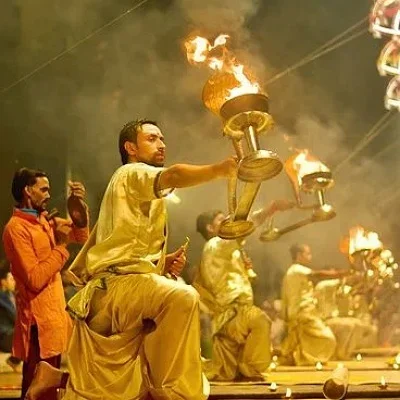
Mahadev’s significance transcends mere epithets; it shapes rituals, festivals, and societal values. The most prominent celebration is Mahashivaratri, wherein devotees observe night‑long vigils, recite hymns, and offer milk and bilva leaves, all aligning with the ethos of surrender to Mahadev’s omnipotent will.
The role of Mahadev in Hindu worship is distinct. Temples like Pashupatinath in Nepal show how the title permeates temple architecture—columns, murals, and icon statues carry the title into everyday sight. In these contexts, Mahadev acts as a moral compass, encouraging adherents to embody virtues such as prajnā (wisdom) and tapasya (spiritual austerity).
Modern Worship and Legacy
Even today, Mahadev’s relevance is evident in contemporary media, music, and popular culture. From Bollywood dramas portraying the master’s love for his consort Parvati to concerted efforts by NGOs to promote environmental stewardship under the banner of “Shiva of nature,” the title propagates an image of a compassionate yet potent guardian.
Academic studies—including a 2020 survey published by the JSTOR repository—indicate that the application of Mahadev as a title fosters a sense of unity among diverse sects. It serves as a central connecting point for Shaivites, Lingayats, and even non‑religious spiritual practitioners who interpret Shiva as a universal archetype.
Conclusion: Embrace the Greatness of Mahadev
Lord Shiva’s title Mahadev is far more than a conventional name; it encapsulates his supreme power, cosmic responsibilities, and guiding presence for all seekers of truth. From ancient hymns to modern devotion, the epithet remains a touchstone for expressing reverence and hope.