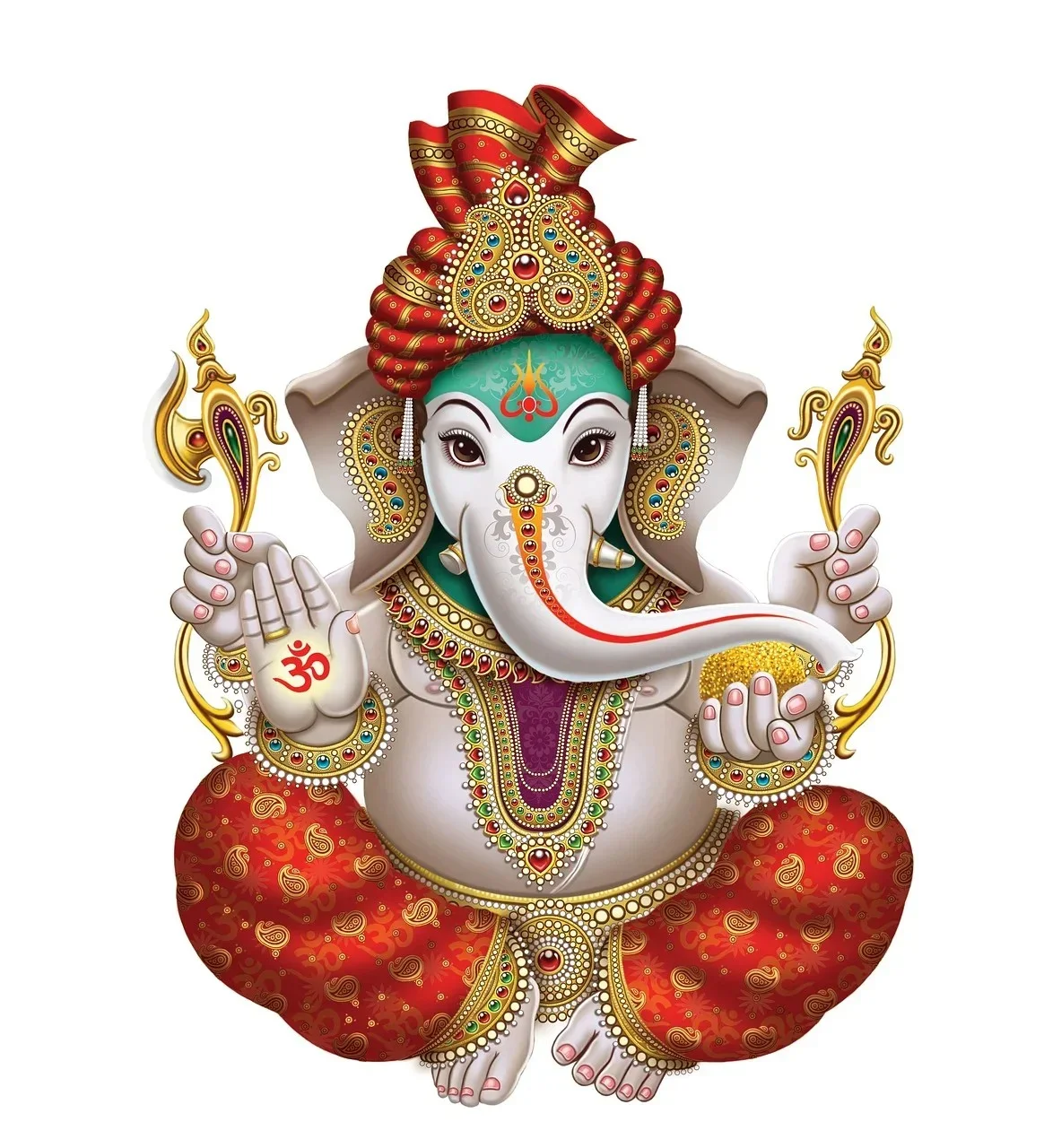
Lord Ganesha Vighnaharta Explained
For millions of Hindus worldwide, the image of the elephant-headed deity with a single large trunk and a pot belly is more than a cultural symbol—it is a living, breathing presence that offers blessings, removes obstacles, and ushers in new beginnings. When devotees say “Lord Ganesha Vighnaharta,” they are invoking an ancient title that emphasizes his unique role as the remover of difficulties and the guardian of spiritual progress. This post explores why Lord Ganesha is called Vighnaharta, delving into the etymology of the name, the mythological stories that shape the title, and its enduring relevance in contemporary spiritual practice. By uncovering the layers of meaning behind the name, we gain a deeper appreciation for how Lord Ganesha’s qualities continue to inspire faith, resilience, and a sense of hopeful self‑belief among Hindus and seekers around the globe.
Understanding the Word ‘Vighnaharta’
In Sanskrit, the fusion of vighna (obstacle) and harta (remover) gives rise to the name Vighnaharta. As with many divine epithets, the term reveals a concise yet profound vision of Ganesha’s character: he is the deity who uproots undesired impediments—both mundane and spiritual—so that we may move forward with clarity, purpose, and blessed energy. Ganesha is often associated with intelligence, wisdom, and devotion, but Vighnaharta highlights his active role in solving problems at the very moment they arise, rather than merely offering philosophical contemplation.
Mythic Origins: How He Became Obstacle‑Remover
Multiple legends trace the origin of Ganesha’s power to eliminate obstacles, sometimes providing slightly different nuances. Three primary stories are widely recounted across temple folklore, literary traditions, and devotional hymns:
- The Jacob’s Ladder narrative: When a symbol of humility—Ganesha as a child—monitored the household’s doors, he bartered his own head for a perpetual presence of protection, signifying the initial role of guardianship that quickly blossomed into full obstacle‑removal.
- The Givning Vighnaharta Title legend: Ganesha’s parents, Parvati and Shiva, once debated over the hierarchy of obstacles; Ganesha’s quick wit and devotion earned the ancient hymn “Vighnaharta” from Shiva, establishing the divine authority of his name.
- The Harvest Festival Myth: During a ritual that involved the laying of offerings with symbolic significance, Ganesha’s indulgence in fruits and sweets highlighted the notion that abstract obstacles could be made tangible and ultimately eliminated through joyous sacrifice and mindful generosity.
Each version emphasizes a different facet: service, wisdom, and compassion. Collectively, they coalesce into a universal portrayal: no matter the obstacle—be it personal doubt, societal imbalance, tribal conflict, or cosmic disorder—Ganesha’s Vighnaharta spirit can dissolve it. These myths have been enshrined in ancient texts such as the Bhagavata Purana and the Ramayana, lending the title an archaeological resonance that is felt in daily worship practices.
Why the Title Resonates With Modern Spirituality
When we think of obstacles in modern life, we often encounter them as setbacks, work‑related stressors, or emotional hang-ups. Applying the concept of Vighnaharta in personal growth centers around the idea that obstacles are not static impediments; they can be transformed by the right combination of mindfulness, intention, and compassion. In classroom seminars, yoga retreats, and mindfulness expos, the philosophy of Ganesha as Vighnaharta takes the shape of a practical tool: the willingness to identify one’s internal limits, to appeal to a higher power for guidance, and to release negative patterns before starting a new endeavor.
From a psychological stance, the synergy between Ganesha’s elephant head—symbolizing memory—and his promotional script ability proves a tangibly balanced perspective: we must remember past lessons, then speak them into new contexts. This melody of introspection and manifestation encourages devotees to empower themselves against feeling stuck or fearing failure. The History.com overview attests to how such cultural motifs persist and adapt: they become part of an individual’s toolkit, both spiritually and practically.
Practical Ways To Invoke Vighnaharta’s Blessing
In a society filled with noise, individuals often embrace physical gestures or ritual rituals as a way to reconnect with this enduring legacy. Below are evidence–backed methods that many find helpful:
- Ganesha Mantra Meditation – Reciting the “Om Gan Ganapataye Namah” mantra for 21 breaths induces a state of focused intent and can act as a psychological reset in moments of crisis.
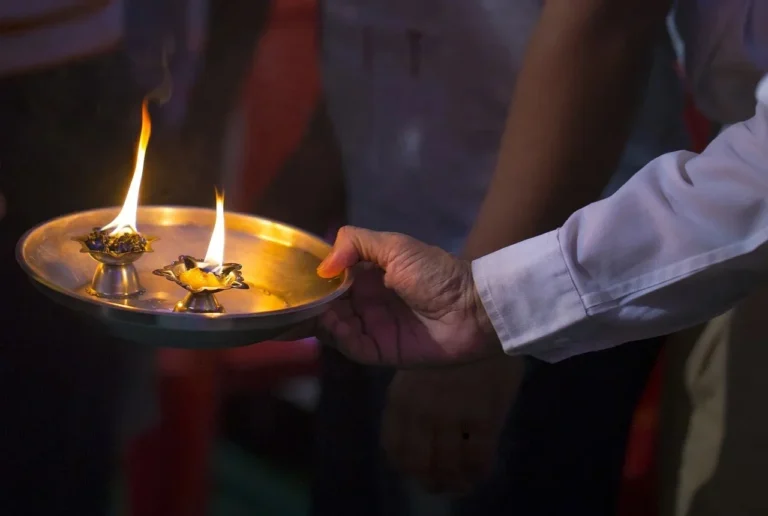
- Lighting a Coconut Oil Candle – Scented with sandalwood, this ritual acknowledges Ganesha’s generosity and acts as a symbolic barrier against negative energies.
- Offering a White Lotus Flower – Representing purity, the lotus can be placed under the Ganesha idol during worship as a form of unobstructed clarity.
- Writing Intentions on Paper – The practice of jotting down obstacles to be ‘cut’ aligns with modern cognitive-behavioral techniques that emphasize externalizing and reframing problems.
Each step, when approached from a sincere place of intent, conjures the archetypal Vighnaharta who acts sacrificially to eliminate hindrances. In that sacrifice, the devotee joins a century‑old lineage of seekers who find courage in the promise that no obstacle is invincible. As we read in the Britannica entries, these rituals are deeply rooted in the cultural fabric of Hinduism, where symbolic acts of renunciation and devotion are essential to spiritual attainment.
Conclusion: Embrace the Vighnaharta Within
Lord Ganesha Vighnaharta is far more than a mythic figure carved in stone or depicted on a screen. He stands as a living testimonial that the most resounding barriers in life—whether they arise from external chaos or internal conflict—can be confronted and transcended with clarity, compassion, and firm resolve. By internalizing the lessons underpinning his name, we unlock an approach that turns each obstacle from a deterrent into a stepping‑stone, enabling us to step into fresh chapters with confidence and faith. Whether you are a devoted follower or a curious explorer of the Hindu spiritual landscape, I invite you to seek the blessings of Ganesha Vighnaharta and let his ancient wisdom guide you toward a life devoid of fearful obstacles.
Frequently Asked Questions
Q1. Who is Lord Ganesha Vighnaharta?
Lord Ganesha Vighnaharta is the elephant‑headed deity revered for removing obstacles and guiding devotees toward spiritual progress. He embodies intelligence, wisdom, and devotion while specifically addressing both mundane and cosmic hindrances. Devotees seek his blessings before starting any new venture or significant decision.
Q2. What does the name Vighnaharta mean?
In Sanskrit, “vighna” means obstacle and “harta” means remover, so Vighnaharta translates to “remover of obstacles.” The title emphasizes Ganesha’s active role in dissolving impediments that block one’s path, whether they are psychological, physical, or spiritual.
Q3. How did Ganesha become known as an obstacle remover?
Several legends explain his power: one cites the story of Ganesha guarding household doors and bartering his head to be in perpetual presence, another highlights his swift wit in debates with Shiva, and a third shows him turning obstacles into tangible offerings. These narratives collectively illustrate his wisdom, service, and compassion, solidifying his reputation as Vighnaharta in ancient texts like the Bhagavata Purana and Ramayana.
Q4. How can I invoke Vighnaharta in daily life?
Practical methods include reciting the “Om Gan Ganapataye Namah” mantra, lighting a sandalwood‑scented coconut oil candle, offering a white lotus flower, and writing down obstacles to visualize their removal. Each ritual blends mindfulness with intent, encouraging devotees to transform internal limits into clear pathways.
Q5. Are there specific rituals for worshiping Vighnaharta?
Common rituals involve placing a Ganesha idol in a clean space, offering sweets like modaks, and chanting Vighnaharta hymns. Rituals can be performed during new ventures, festivals, or whenever an individual feels encumbered, always aiming to invite his blessing and clear the path ahead.