Shiva: Lord of Meditation Explained
In the vast pantheon of Hindu deities, Shiva stands as a figure of profound paradoxes. He is the Destroyer, yet also the benevolent giver; the ferocious warrior, yet the epitome of calm. Among his many epithets and manifestations, one that profoundly defines his essence and resonates deeply with spiritual seekers is his role as the ultimate Yogi, the Lord of Meditation. This aspect of Shiva is not merely a symbolic representation but a profound philosophical statement on the nature of reality, consciousness, and the path to liberation. His iconography, abode, and stories consistently reinforce his identity as the supreme meditator, a guide for those who seek inner stillness and profound spiritual insight. Understanding why Shiva is revered as the Lord of Meditation offers a window into the heart of yogic philosophy and the transformative power of spiritual practice.
Why Shiva Embodies Meditation’s Essence
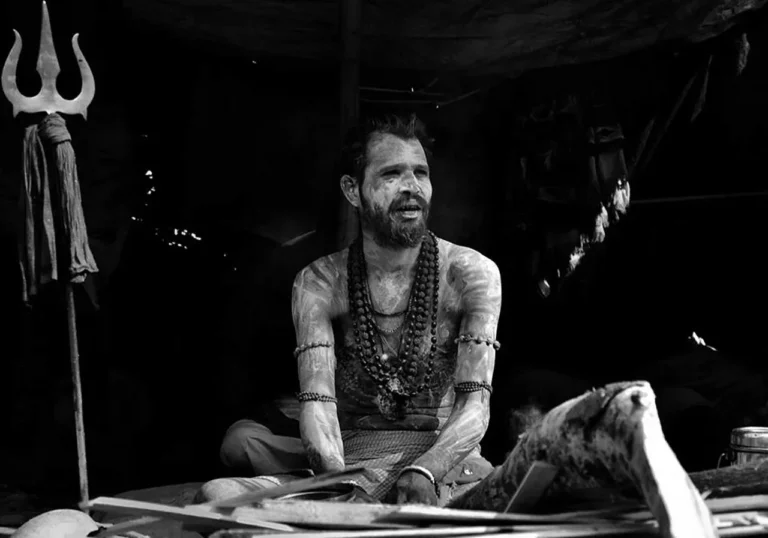
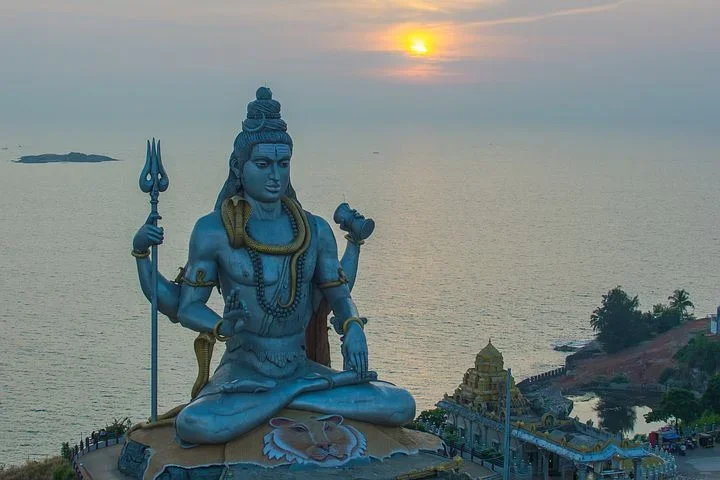
Shiva’s association with meditation is foundational to his character. Unlike other deities often depicted in active roles of governance, war, or creation, Shiva is frequently shown absorbed in deep contemplation, often seated in the lotus posture (Padmasana) atop Mount Kailash. This constant state of introspection is not merely a passive retreat but an active engagement with the deepest truths of existence. His appearance itself is a tapestry of meditative symbolism: the ash-smeared body signifies detachment from worldly pleasures and the ephemeral nature of life; his matted locks (jata) represent the harnessing of vital energies; and the tiger skin upon which he sits symbolizes his triumph over desire and fear. These elements collectively paint a picture of a deity who has transcended the dualities of life, achieving a state of perfect equanimity and profound inner peace through sustained yogic practice.
Mount Kailash: The Abode of Shiva’s Meditation
Mount Kailash, often referred to as the spiritual center of the world, is Shiva’s mythical abode and a crucial element in understanding his role as the Lord of Meditation. This majestic peak in the Himalayas is not just a geographical location but a powerful spiritual symbol. Its remote, austere, and pristine environment perfectly mirrors the conditions ideal for deep meditation and asceticism. Legend has it that Shiva has resided on Kailash for millennia, ceaselessly meditating for the welfare of the universe. The mountain’s inaccessibility and formidable nature reflect the challenging yet ultimately rewarding journey of spiritual practice. It is a place beyond human habitation, a realm where the mind can truly withdraw from external distractions and delve into the depths of consciousness. Pilgrims undertake arduous journeys to catch a glimpse of this sacred mountain, believing that its proximity can facilitate profound spiritual experiences, directly linking them to Shiva’s meditative energy.
Shiva’s Asceticism and Yogic Power
Shiva is often referred to as Mahayogi, the Great Yogi, underscoring his mastery over yogic disciplines. His ascetic lifestyle is a testament to his supreme self-control and detachment. He is depicted consuming intoxicants like bhang (cannabis), which paradoxically, rather than leading to intoxication, helps him maintain focus during deep meditation, symbolizing his ability to transmute even potentially disruptive elements into tools for spiritual progress. His control over the senses and mastery of internal energies are hallmarks of advanced yogic practice.
The concept of Yoga, which means ‘to unite’ or ‘to yoke’, finds its ultimate expression in Shiva. He is the originator of all yoga and tantra, teaching humanity the path to liberation through physical postures (asanas), breath control (pranayama), and meditation (dhyana). His meditative state is not one of inactivity but of intense inner concentration, a dynamic force that sustains the cosmic order. The very act of creation, preservation, and destruction are said to emanate from his meditative stillness, demonstrating that true power lies not in external action but in internal mastery.
The Symbolism of Shiva’s Meditative Posture
The iconic image of Shiva meditating offers a rich tapestry of symbolic meaning. When Shiva is shown in a meditative posture, several key elements convey profound spiritual truths:
- Third Eye (Trinetra): Located on his forehead, this eye represents wisdom and insight beyond ordinary perception. It is the eye of inner vision, capable of burning away ignorance and illusion, opened only during deep meditative states.
- Blue Throat (Nilakantha): Shiva’s throat is blue from having consumed the Halahala poison during the Samudra manthan (churning of the ocean) to save the universe. This symbolizes his ability to absorb and transcend suffering, maintaining inner peace even amidst chaos, a core tenet for any serious meditator.
- Serpent Around Neck: The cobra around his neck represents control over dangerous and vital energies (kundalini shakti) and the cycle of time. It shows his fearlessness and transcendence of death.
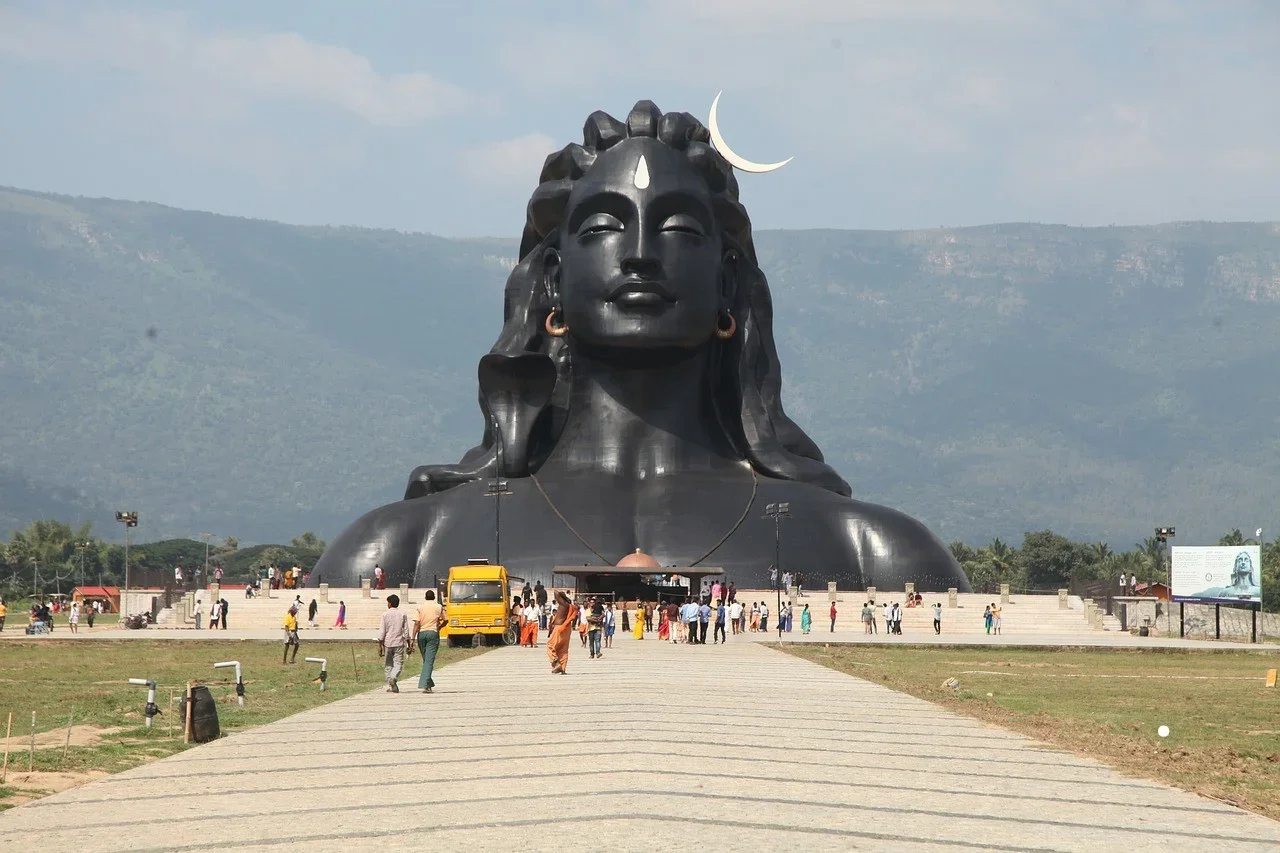
- Crescent Moon: Adorned on his head, the crescent moon signifies Shiva’s control over the mind and emotions, as the moon is traditionally associated with the mind. It also represents the waxing and waning cycles, implying eternal renewal.
- Rudraksha Beads: Often worn by Shiva, these beads are sacred and believed to aid in concentration and spiritual healing, further linking him to meditative practices.
These symbols are not mere adornments but are instructional, guiding aspirants toward the qualities necessary for profound meditation and spiritual realization. To meditate like Shiva is to cultivate inner vision, transcend suffering, control vital energies, calm the mind, and embrace cycles of renewal.
Shiva as the Destroyer of Delusion and Ego
While often associated with physical destruction, Shiva’s role as the Destroyer is primarily spiritual. He annihilates illusion (maya), ego (ahamkara), and attachment, paving the way for liberation (moksha). His meditative state is a powerful force that dissolves the false self, allowing the true, divine self to emerge. This destructive aspect is therefore constructive, clearing away obstacles to enlightenment. Through his intense meditation, Shiva embodies the complete transcendence of worldly attachments and the dissolution of the individual ego into the universal consciousness.
This process is central to many spiritual traditions, including Dhyana in Hinduism, where sustained meditation aims to quiet the mind and dismantle the constructs that create a false sense of individuality. Shiva, in his silent contemplation, demonstrates that the deepest insights and the most profound liberation come not from seeking external solutions but from turning inward, confronting and ultimately transcending the limitations of the mind. He shows that the path to spiritual awakening requires a radical dismantling of one’s preconceived notions and a fearless embrace of the void.
Practicing Dhyana Inspired by Shiva
Inspired by Shiva, the Lord of Meditation, practitioners can integrate aspects of his meditative discipline into their own lives. Dhyana, or deep meditation, involves focused attention to quiet the mind and achieve a state of relaxed awareness. Just as Shiva remains undisturbed on Mount Kailash, meditators aim to find an inner sanctuary free from external noise and internal chatter.
Key practices include:
- Cultivating Stillness: Emulate Shiva’s steadfast posture. Find a comfortable seated position, maintain a straight spine, and minimize physical movement.
- Focusing the Mind: Direct attention to the breath, a mantra, or a visual image. This helps to quiet the incessant thoughts, much like Shiva’s focused concentration.
- Detachment: Practice non-attachment to thoughts and emotions as they arise, observing them without judgment and letting them pass, mirroring Shiva’s detachment from worldly desires.
- Inner Vision: Strive to develop inner wisdom and insight, symbolized by Shiva’s third eye, through consistent practice.
By consciously integrating these principles, individuals can embark on a journey of self-discovery and spiritual growth, drawing inspiration from the ultimate Yogi. More about the broader philosophy of Yoga and its philosophy can provide further context to Shiva’s role.
The Spiritual Significance of Shiva’s Meditation
Shiva’s meditation is not a mere personal practice; it holds cosmic significance. When Shiva meditates, he is said to be holding the universe in balance. His stillness is the source of cosmic energy, and his profound concentration prevents the universe from descending into chaos. This highlights a crucial understanding: true power originates from inner tranquility and self-mastery, not from external displays of force. He represents the ideal state of Purusha (consciousness) perfectly united with Prakriti (nature), overseeing all creation from a state of complete transcendence.
His meditative state is also a wellspring of compassion. It is from this deep stillness that he receives insights and performs actions that benefit all beings. For instance, stories recount him opening his third eye to destroy evil or consuming poison to save the gods. These acts, though seemingly disruptive, originate from a place of profound meditative clarity and cosmic responsibility. This profound understanding of Shiva as the Lord of Meditation resonates across various yogic traditions and is crucial for anyone seeking to understand the depths of Hindu spirituality.
Shiva, as the Lord of Meditation, is more than a deity to be worshipped; he is a profound symbol and an eternal guide for all who embark on the path of inner exploration. His life, iconography, and abode on Mount Kailash continually emphasize the importance of introspection, asceticism, and the transformative power of spiritual practice. He teaches us that true strength lies in stillness, true wisdom in detachment, and true liberation in the relentless pursuit of inner truth. By meditating on Shiva’s profound meditative state, we are invited to delve into our own inner worlds, cultivate detachment, and ultimately realize the boundless potential of human consciousness. Embrace the path of inner stillness and discover the profound wisdom that Shiva, the Mahayogi, exemplifies. For further reading on the broader context of Hindu deities and their significance, exploring resources like The Metropolitan Museum of Art on Shiva or general information on Shiva on Wikipedia can provide deeper insights into his multifaceted nature and why he remains an enduring inspiration for spiritual seekers worldwide.