Maa Durga Divine Story Protection
Maa Durga, the mother goddess revered across the subcontinent, embodies the indomitable spirit that safeguards dharma and dispels evil. Her narrative is woven through myth, devotion, and cosmic battle, illustrating how divine feminine power counterbalances darkness and preserves moral order. This timeless story, rooted in ancient scriptures like the Devi Mahatmya and Mahabharata, continues to inspire millions, providing a spiritual compass for those seeking truth, righteousness, and resilience. By exploring the milestones of Maa Durga’s journey—from her divine conception to her final victory over the demonic forces—we uncover profound lessons on courage, faith, and the eternal struggle between light and shadow.
Maa Durga’s Divine Genesis
According to the Devi Mahatmya, the universe was on the brink of dissolution when the cosmic triad—Brahma, Vishnu, and Shiva—were unable to halt the spread of the demon Mahishasura. In response, the supreme goddess, known as Shakti, manifested as Maa Durga. She was born of collective divine energy (Prakriti) and symbolizes the cosmic power that animates the material world. This birth illustrates the concept that dharma is sustained not just by human effort but by a higher spiritual agency that intervenes when righteousness is threatened.
The Battle Against Mahishasura
Mahishasura’s tyranny—characterised by unchecked violence, exploitation, and an erosion of dharma—compelled the gods to rally. Despite their valour, the devas could not subdue the demon’s invulnerability. It was then that Maa Durga, armed with symbols of true wisdom and compassion, descended to confront the darkness. Her battle, chronicled in Encyclopædia Britannica, showcases not only martial prowess but also a strategic understanding of cosmic law, emphasising that moral warfare requires both might and righteousness.
Key Attributes and Weapons
- Trishula (trident) – Represents Shiva’s destructive power that purifies chaos.
- Moon (Chandra) & Sun (Surya) – Symbols of time and celestial balance, signifying inclusivity of all realms.
- Bow & Arrow – Embodies the divine will and unwavering focus.
- Shield & Axe – Protects against ill intents and cleaves through falsehood.
- Wind (Vayu) – Reflects the necessity of moving against stagnation.
Each weapon, while powerful, carries an ethical directive: use of force must be guided by dharma, justified by preserving cosmic order, and tempered by compassion.
Vaikunta Appearances and Moral Lessons
Beyond physical combat, Maa Durga’s presence manifests in Vaikunta—she brings divine knowledge that reverts corrupted hearts. Narratives from the Aditya AJay website detail how she heals the soul of societies overwhelmed by moral decay. She underscores that the victory of dharma is continuous, demanding vigilance, community cooperation, and education in righteous conduct.
Impact on Hindu Rituals and Festivals
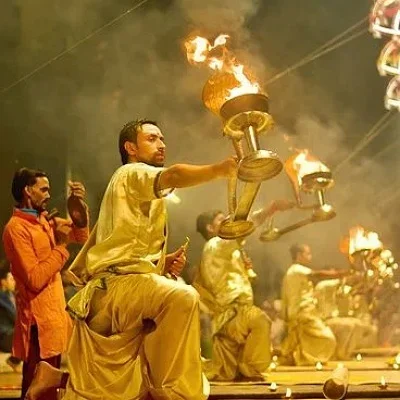
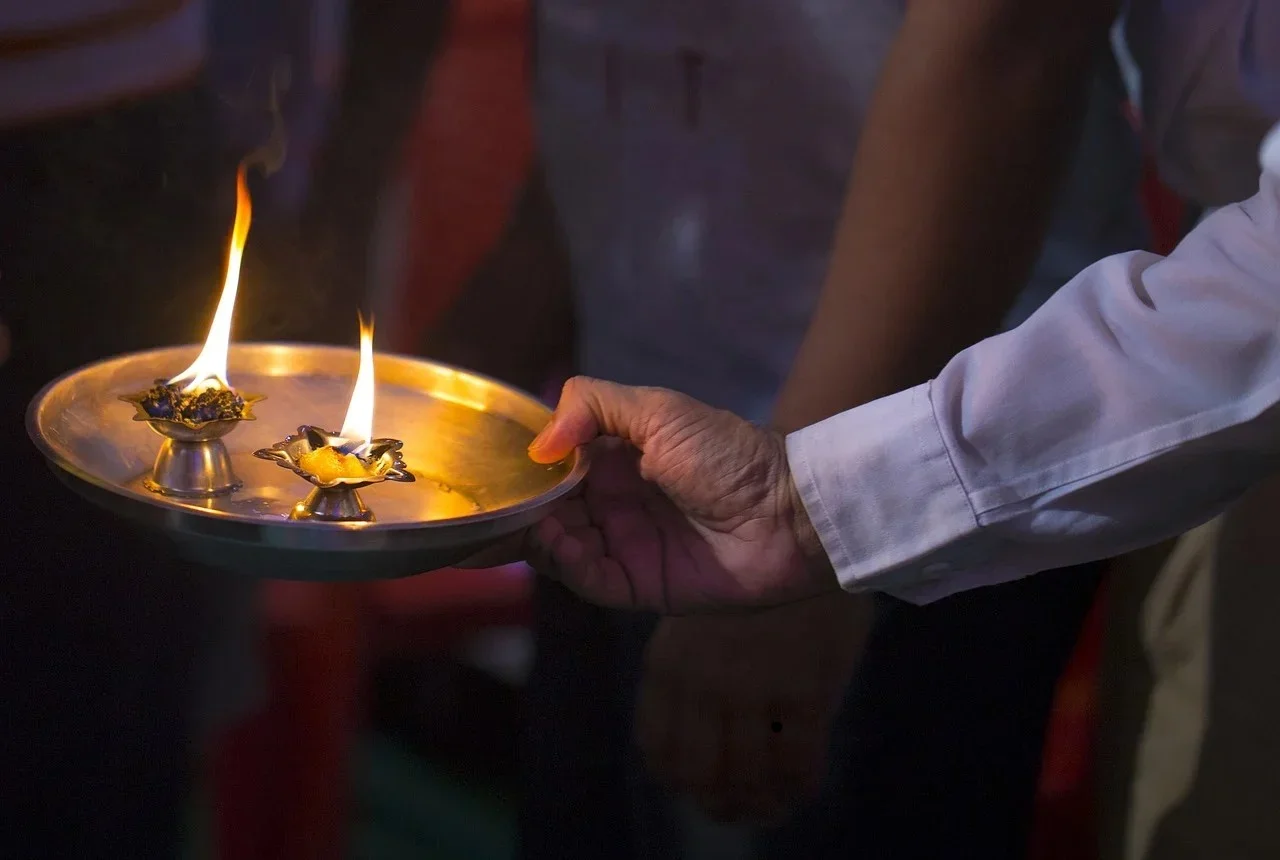
The celebration of Navaratri and Durga Puja worldwide highlights how Maa Durga’s story transcended mythology to become an annual reminder of dharma’s resilience. During these festivals, devotees enact the fight against evil through rituals such as Auf Berefst and symbolic dance, reinforcing communal bonds and shared ethical commitments.
Maa Durga’s Legacy in Contemporary Society
In modern India, the metaphor of Maa Durga informs political discourse and social activism. Scholars at the Harvard University have examined how her story motivates movements that champion justice, environmental stewardship, and gender equality. The goddess’s embodiment of protective energy encourages individuals to act as guardians of morality, ensuring that selfishness does not eclipse collective welfare.
How to Manifest Durga’s Strength Within
For seekers desiring to adopt Maa Durga’s steadfastness, spiritual practice can include:
- Mantra recitation – Invoking Durga Nama aligns the mind with divine clarity.
- Reflection on dharma – Daily contemplation on how personal choices uphold societal values.
- Community service – Protecting those in vulnerable situations mirrors the goddess’s protective duty.
- Study of sacred texts – Understanding the legends fosters a deeper appreciation of cosmic justice.
- Put mindfulness in every action, ensuring that even mundane tasks resonate with purposeful intention.
Through these practices, one cultivates inner resilience, turning daily life into a battlefield where dharma triumphs over chaos.
Conclusion: Embrace the Eternal Light
By drawing inspiration from the divine story of Maa Durga and the perpetual protection of dharma, each individual becomes an active participant in preserving moral order. Let this saga remind you that spirituality thrives not only in devotion but in action—a call to protect, nurture, and celebrate righteousness in daily life. Embrace the goddess’s strength today: set a small ethical practice, join a community effort, or simply pause to reflect on how your actions support the greater good. Learn More About Maa Durga
Frequently Asked Questions
Q1. Who is Maa Durga in Hindu mythology?
Maa Durga is a universal mother goddess who embodies the Shakti, or divine feminine energy, empowering righteous forces to fight evil and safeguard dharma.
Q2. How did Maa Durga come into existence?
According to the Devi Mahatmya, when the gods could no longer defeat the demon Mahishasura, the supreme divine energy manifested as Maa Durga to restore cosmic order.
Q3. What weapons does Maa Durga use in her battle?
She wields the Trishula, bow and arrow, shield, axe, and celestial symbols like the moon and sun, each symbolizing different aspects of cosmic justice and protection.
Q4. What is the significance of Navaratri and Durga Puja?
These festivals commemorate Maa Durga’s triumph over evil, encouraging devotees to renew their commitment to dharma through rituals, prayers, and communal celebrations.
Q5. How can individuals embody Maa Durga’s strength in daily life?
By reciting Durga mantras, reflecting on personal dharma, engaging in community service, studying sacred texts, and aligning everyday actions with compassionate purpose.