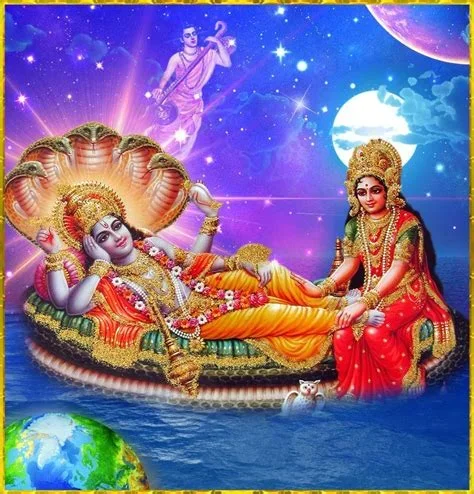
Lord Vishnu’s Symbols Explained
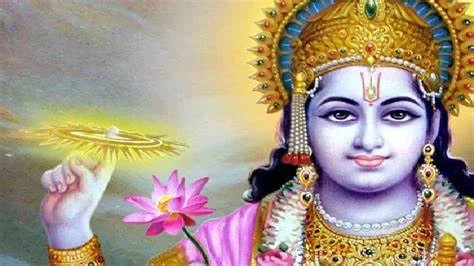
Within Hinduism, the presence of a divine deity is often mirrored by the symbols they carry in mythological texts and temple iconography. For Lord Vishnu, the cosmic preserver, these symbols are not mere ornaments but sacred embodiments of deeper cosmic truths. Understanding each of the four divine symbols—the Shankha conch, the Sudarshana Chakra disc, the Padma lotus, and the Khadga sword—reveals the layers of spirituality, symbolism, and ethical guidance that Vishnu imparts to his devotees. By exploring these signs, we gain insights into how the divine protects, purifies, and enlightens the world, and we learn practical lessons for our own lives.
The Conch (Shankha): The Call of Cosmic Sound
The Shankha, a gourd-like conch shell, is foremost among Vishnu’s attributes. In Vedic texts, its sonic resonance is considered the primordial sound—“Om”—that awakens consciousness in the universe. When Vishnu blows the Shankha, the vibration is said to dispel ignorance, inspiring devotion and aligning souls with the divine rhythm.
In practical terms, the Shankha teaches listeners the importance of mindful sound. Just as a clear, pure call invites the senses to listen, intentionality in daily action invites clarity in purpose. Many temples across India customarily begin prayers with the Shankha, inviting devotees to “listen” not just audibly but spiritually—to the subtle messages embedded in everyday life.
The Sudarshana Chakra: The Disc of Time and Justice
The Sudarshana Chakra is a spinning, disc‑shaped weapon that symbolizes the cyclical nature of time and the moral order (dharma). Unlike a mere tool of destruction, the Chakra emphasizes balance: it is a reminder that actions have consequences, and that divinity seeks to restore equilibrium.
Mythologically, the Chakra is used by Vishnu to banish evil forces—most famously, to slay the demon Vibhishan in the Ramayana. This mirrors the concept that when righteousness is challenged, the divine intervenes to re‑establish harmony. At an individual level, the Chakra invites self‑reflection: to ensure that personal decisions align with a broader moral compass.
The Padma Lotus: The Flower of Purity and Rebirth
The Padma, or lotus, is perhaps the most widely recognized symbol among all Hindu deities, but Vishnu’s lotus carries a distinct meaning. Emergent from the cosmic waters of origin, the lotus represents purity arising from a murky realm. The flower’s openness to both the deep water (sheer, unclean aspects) and the bright sky (clarity and awareness) embodies the dual nature of existence—material and spiritual.
In scriptures, Vishnu sits upon a lotus throne, indicating that the preserver transcends the physical world while remaining deeply connected to it. The lotus thus reminds devotees that spiritual growth begins with acknowledging the imperfect origins of life yet striving for spiritual clarity through intention, meditation, and discipline.
The Khadga Sword: The Tool of Knowledge and Protection
Finally, the Khadga—an unsharpened, straight sword—symbolizes knowledge, psychological strength, and righteous justice. Unlike other weapons in Hindu iconography, the Khadga is not intended for physical violence; rather, it represents the cutting power of wisdom that dispels ignorance and confusion.
When Vishnu is depicted with the Khadga beside his other symbols, it reminds devotees that the path to preservation and renewal requires mental clarity and ethical resolve. Just as a sword cuts through obstacles, disciplined knowledge cuts through false beliefs, enabling a path towards self‑realization.
Key Takeaways: Lessons for Everyday Life
- Listen with Intent: The Shankha encourages us to listen to the subtle signals of the inner self and the universe, fostering a humility that guides all interactions.
- Balance Actions: The Chakra impels us to act within the bounds of dharma, being mindful that each decision reverberates through the larger fabric of society.
- Cultivate Inner Purity: The Padma teaches that true spiritual growth begins from within; outward laughter may hide inner turmoil, but spiritual discipline exposes clarity.
- Seek Knowledge: The Khadga reminds that intellectual insight and ethical fortitude are the greatest weapons against the ego and fear.
Secondary Sources and Further Reading
If you’d like to dive deeper into the symbols’ roots and interpretations, consider exploring these authoritative resources:
- Vishnu – Wikipedia
- Vishnu – Britannica
- Scholarly article on Vishnu iconography
- Bhagavata Purana (excerpt)
- Modern interpretation of Divya symbols
Concluding Call to Explore the Divine Within
Vishnu’s four symbols encourage us to embrace a holistic spiritual practice that balances inner purity, moral vigilance, mindful listening, and intellectual rigor. Whether you’re a seasoned devotee or a curious seeker, these icons invite you to reflect, act, and evolve. Take a moment to observe the symbols near your own altar or in a nearby temple; let them remind you that each breath and each choice reflects the cosmos’ pulse.
Frequently Asked Questions
Q1. What are the main symbols associated with Lord Vishnu?
Lord Vishnu is traditionally depicted with four primary symbols: the Shankha (conch), Sudarshana Chakra (disc), Padma Lotus, and Khadga Sword. Each symbol carries a distinct spiritual significance—from cosmic sound to moral order, purity to knowledge. These icons encapsulate Vishnu’s role as the preserver of the universe. Devotees view them as guides for personal conduct and spiritual growth. Understanding them can deepen one’s connection to the divine.
Q2. How does the Shankha symbolize the primordial sound?
The Shankha is believed to emanate the mystical sound called “Om,” which represents the origin of all creation. When Vishnu blows the conch, it is said to announce divine presence, dispelling ignorance and calling souls to awakening. In worship, the resonance of the Shankha invites devotees to listen inwardly as well as outwardly. The sound is considered a call to mindfulness in daily life. It reminds believers that listening truly is an act of devotion.
Q3. What moral teachings are embodied by the Sudarshana Chakra?
The Sudarshana Chakra represents the cyclical nature of time and the enforcement of dharma, balancing good and evil. It is often depicted as a spinning wheel that removes obstacles cast by negative forces. In myth, it has defeated demons to restore cosmic harmony, teaching that righteousness ultimately prevails. Devotees interpret it as a call to act with justice and integrity. The symbol encourages self-reflection and ethical decision-making.
Q4. Why is the Padma Lotus significant in Vishnu’s iconography?
The Padma Lotus emerges from muddy waters yet remains unfettered, symbolizing purity arising from chaos. Vishnu’s throne upon a lotus demonstrates the deity’s transcendence while remaining rooted in the material world. The flower’s openness reflects a dual reality—earthly life and spiritual aspiration. Worshippers use the lotus as a metaphor for inner cleansing and continual rebirth. It reminds seekers that clarity blooms from acceptance and disciplined practice.
Q5. What does the Khadga Sword reveal about knowledge and protection?
The Khadga Sword, unlike martial weapons, symbolizes the cutting power of wisdom that dispels ignorance. Unlike typical weapons, it is portrayed unsharpened, indicating that true defense comes from intellect and ethical strength. The sword represents disciplined knowledge guiding one through false beliefs. Devotees view the Khadga as a call to pursue truth, encouraging mental clarity over emotional aggression. Mastery of this symbol strengthens faith and protects against ego.