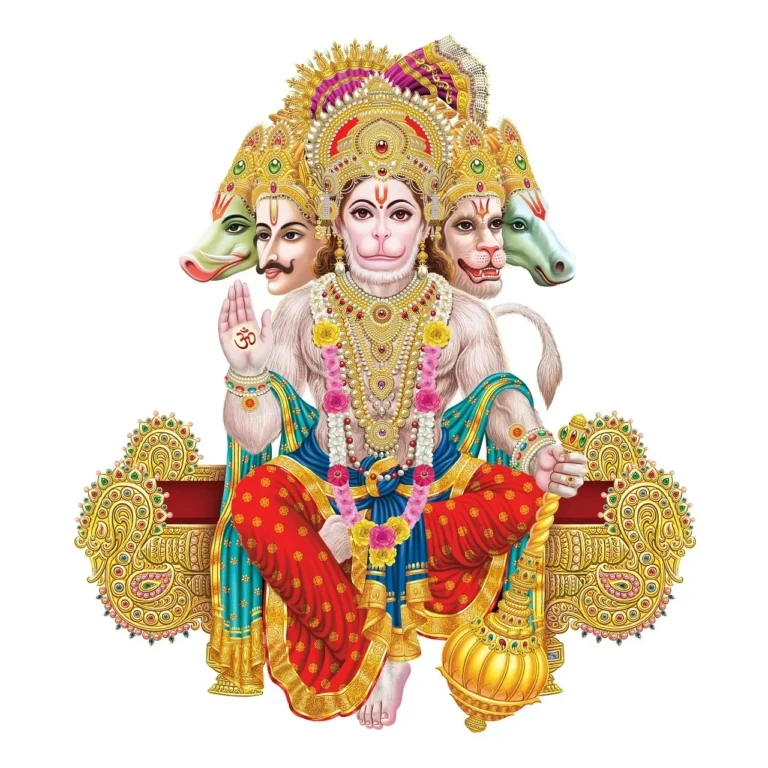
Devotion Strength Sanatan Dharma
Devotion is the heart‑beat of Sanatan Dharma, the perennial, universal spiritual philosophy that has guided millions for millennia. In a culture where right living, or *dharma*, is intricately linked to devotion, the latter stands out as an indispensable strength—an inner compass that shapes purpose, character, and destiny. As you explore this blog, you will discover how *devotion* is woven into the fabric of Sanatan Dharma, why it surpasses intellectual pursuits or mere ritual, and how each devotee can harness its transformative power for personal growth and societal harmony.
What Is Devotion in Sanatan Dharma?
In the spiritual lexicon of Sanatan Dharma, devotion (*bhakti*) refers to self‑less love, unwavering faith, and complete surrender to the divine. It is not a passive feeling but an active, disciplined engagement that involves chanting, offering, studying sacred texts, and living a life that reflects divine principles. Devotion becomes a profound practice that nurtures the soul, fortifies moral fiber, and cultivates a sense of unity with all beings.
Why Devotion Is More Robust Than Intellectual Knowledge
While knowledge (*jnana*) is revered for its ability to dissect reality, enlightenment through pure intellect often remains abstract and detached from daily life. Empirical studies and philosophical treatises from Sanatan Dharma consistently highlight that devotion bridges the gap between *sanskriti* (culture) and *s serve* (service). Devotion ignites the heart, transforming intellectual understanding into living experience. Historically, great sages like Ramanuja and Shankaracharya demonstrated that *devotion* could guide even reasoned minds toward higher consciousness, providing a holistic, experiential intelligence that purely logical thinking cannot achieve.
Key Benefits of Bhakti in Everyday Life
1. Emotional Stability – Devotion channels intense emotions into positive energy, fostering calmness.
2. Purpose‑Driven Actions – It clarifies intentions, motivating deeds that align with higher values.
3. Community Cohesion – Collective worship strengthens bonds, creating a network of shared compassion.
4. Resilience to Adversity – Devotees often exhibit greater endurance during hardships, trusting in divine support.
How To Cultivate Devotion in a Modern Context
Devotion is timeless but requires contemporary adaptations to thrive in our fast‑paced world. Below are practical steps that align with Sanatan Dharma’s teachings while fitting into modern schedules:
- Dailies of Mantra – Set aside ten minutes each morning to chant a mantra that resonates with your chosen deity or spiritual ideal.
- Mindful Offerings – Even a simple cup of water with gratitude can function as an offering, turning mundane acts into spiritual service.
- Reading Sacred Texts – Regular study of scriptures such as the Bhagavad Gita or Ramayana deepens your understanding of devotion’s role in ethical living.
- Service (Seva) – Volunteer for community drives or environmental tasks; charitable acts amplify devotion and reinforce interconnectedness.
- Reflective Journaling – Chronicle moments when devotion guided your choices; patterns emerge, strengthening resolve and insight.
Guidelines from modern scholars, such as those published on Britannica, note that combining these practices with mindfulness techniques can reduce stress and increase overall well‑being.
Real‑World Examples of Devotion’s Strength
Throughout history, devotee‑leaders like Mahatma Gandhi harnessed *bhakti* to drive non‑violent resistance, illustrating how devotion can catalyze social change. Likewise, contemporary saints such as Sadhguru Jaggi Vasudev have emphasized devotion’s relevance in modern science and spirituality dialogues, demonstrating that *devotion* transcends cultural and temporal boundaries.
Inaction vs. Active Devotion
Simply praising or admiring the divine is insufficient if not integrated into daily deeds. Active devotion—living the principles taught by revered sages, helping those in need, and maintaining inner purity—creates a ripple effect that extends beyond the individual, cultivating a societal ethos rooted in compassion.
Integrating Devotion With Service: The Ultimate Trinity
Sanatan Dharma stresses the triad of *jnana*, *karma*, and *bhakti*. While *jnana* equips one with knowledge, and *karma* with righteous action, only *bhakti* imprints them with spiritual depth. In contemporary times, exposure to social inequalities and environmental crises demands a unified approach. By infusing service (*seva*) with devotion, a person can transform empathy into concrete action, as documented by the *National Center for Volunteer Administration* (NCVA) reports that purpose‑driven service drives higher satisfaction and effectiveness.
Practical Application: Service‑Driven Devotion
1. Identify a community need—health, education, or ecological conservation.
2. Commit a fixed number of hours each week to volunteer.
3. Treat each act as a form of worship, offering gratitude to the divine for the opportunity to help.
4. Reflect on the spiritual lessons learned after each session, noting how the experience reinforces devotion.
Conclusion: Strength Through Devotion
Devotion’s power lies in its capacity to transform consciousness, align daily actions with universal values, and galvanize society toward harmony. As a timeless strength inherent in Sanatan Dharma, devotion transcends intellectual understanding, enabling individuals to live with awe, resilience, and purpose. Whether you are seeking personal growth, community betterment, or simply a path to peace, *devotion* offers a profound, actionable key.