Shiva Lingam Eternal Source
In the vast tapestry of Hindu cosmology, the Shiva Lingam stands as a profound icon of infinite cosmic energy. Its simple, silent form belies a complex symbolism that speaks to the boundless essence of the universe. This article explores the origins, symbolism, and spiritual implications of the Lingam, revealing why it represents the limitless source of all creation.
The Roots of the Shiva Lingam in Ancient Texts
Historical references to the Lingam trace back to the earliest Vedic hymns, where the symbol is associated with Brahman, the ultimate reality. The Puranic literature expands on this, describing the Lingam as a physical manifestation of Shiva’s creative power. The Lingam’s presence in the Mahabharata and the Vishnu Purana underscores its significance as a universal principle that transcends regional practices. Scholars interpret the Lingam as an archetypal representation of the divine energy that permeates every particle of space and time.
Form, Meaning, and the Paradox of the Lingam
The standard design—a smooth, cylindrical shaft placed upon a base—encapsulates the paradox of empty and full. While the shaft appears as a simple rod, it symbolizes the invisible cosmic axis that connects the physical world to the metaphysical plane. The base, or yoni, signifies the receptive energy of the earth. Together, they illustrate the interplay of dynamic and receptive forces, echoing the yin-yang principle found across many world traditions. The Wikipedia entry on Lingam details how this duality embodies the eternal rhythm of creation, preservation, and dissolution.
Material and Symbolism of the Lingam
Although stone, metal, or even clay have been used to carve Lingams, their material often carries symbolic weight. Stone Lingams, for instance, are tied to earth energies, while silver or gold infusions point to celestial resonance. The size, color, and craftsmanship can vary, but the underlying message remains consistent: the Lingam is a portal into infinite energy. The sacred geography of many temples—situated near rivers or caves—further amplifies their connection to nature. According to the Britannica Insight, these locations were deliberately chosen to harness and reflect natural energies, turning ordinary worship into a metaphysical experience.
The Lingam in Contemporary Practice
Across the globe, the Shiva Lingam remains a focal point for practitioners and scholars alike. In modern spiritual communities, the Lingam symbolizes not only divine worship but also personal transformation. Meditation practices often incorporate visualizing the Lingam as a central point, facilitating a meditative flow that mirrors the cosmic exchange of energy. The archetype’s stress on gender fluidity also resonates with contemporary spiritual dialogues that emphasize balance and inclusivity. Cultural anthropology notes that the continued relevance of the Lingam’s symbolism reflects an enduring human desire to comprehend the infinite through accessible forms.
How Worship Practices Reinforce Cosmic Energy
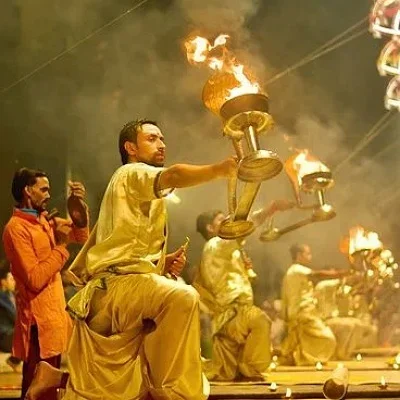
Rituals performed in front of the Lingam—sacred chants, sandalwood offerings, and rhythmic drumbeats—create a holistic sensory experience designed to stimulate all three main energy centers of the body: the root, sacral, and crown chakras. Each practice is meticulously aligned to foster a harmonious flow that mirrors cosmic vibration. For example, the repeated chanting of “OM – Namo Guru Dev” is believed to resonate with frequencies that unlock latent potential within the practitioner. This dynamic exchange between human energy and the potent symbolism of the Lingam offers a living laboratory for exploring infinite cosmic energy.
- Invocation of divine wisdom through mantra recitation.
- Use of sacred oils to denote purification and openness to cosmic flow.
- Structured breathing exercises to align individual intention with universal rhythm.
- Reflection on the duality of form and formlessness, symbolized by the Lingam.
Why the Lingam Represents Infinite Cosmic Energy
At its core, the Shiva Lingam transcends a simple religious symbol; it is an embodiment of the all-encompassing cosmic energy that flows through everything. Archaeological evidence from the Harappan seals shows that similar motifs were revered as symbols of cosmic order, suggesting an ancient acknowledgment of the object’s potent essence. The conceptual framework behind the Lingam—eternity, creation, and dissolution—is a blueprint for understanding the universe’s endless dynamism.
Furthermore, modern physics offers a dialogue with ancient symbolism. Quantum field theories describe a universe where energy fluctuations give rise to particles and phenomena. In this light, the Lingam’s depiction of a central axis of energy aligns intriguingly with the idea that singular points or points of infinite density, such as cosmic singularities, act as the genesis of all existence. The intersection between spiritual metaphors and scientific models illustrates how humanity’s quest for meaning often converges on similar themes—cycle, energy, and infinity.
Reconsidering the Sacred in Everyday Life
Integrating the philosophy of the Lingam into daily life encourages a more holistic view of our connection to the cosmos. By recognizing that each moment of consciousness is linked to a vast network of energy, we cultivate mindfulness and responsibility. The Lingam teaches devotees to honor both the active and receptive elements of existence—an essential practice for sustainable living in a rapidly evolving world.
Contact and Explore More Spiritual Insights
If you’re intrigued by how ancient symbols illuminate undiscovered dimensions of existence, join our community for guided meditations and detailed explorations of cosmic symbolism. Subscribe now to receive weekly insights that bridge tradition with contemporary spirituality.
Ready to dive deeper into the universe of infinite energy? Subscribe now and transform your practice.