Spiritual Meaning of Aarti
The Spiritual Meaning of Aarti reveals how devotees transform everyday actions into profound, limitless expressions of reverence. By offering light, song, and fragrant smoke, worshippers connect with the divine, inviting grace into their lives. The ritual encapsulates centuries of ritualistic evolution in South Asian spirituality, serving both as a communal celebration and an intimate meditation. As we explore its layers, we uncover symbolism that resonates across diverse traditions worldwide, emphasizing purity, devotion, and the continual cycle of rebirth and renewal.
Understanding the Aarti Ritual
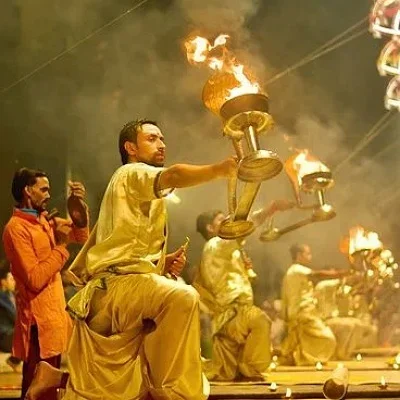
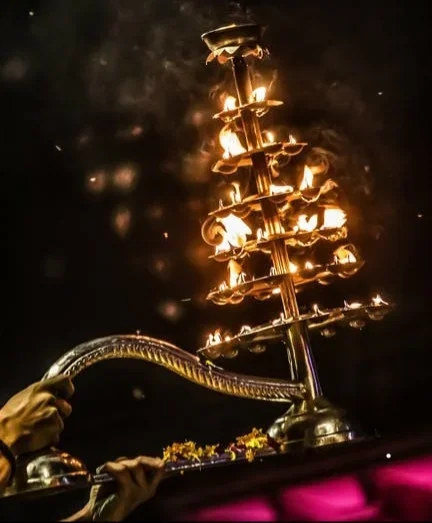
Aarti, a far‑reaching term in the South Asian liturgical landscape, is customary in each Hindu worship before any significant holiday or within a temple every day. It effectively translates to “lighting a lamp” and is an essential form of devotional prayer that hinges on gratitude, sacrifice, and spiritual enlightenment. The ritual usually follows these sequential steps: lighting a diyā (small lamp), aarti sticks, offering incense, and then waving them before a divinely consecrated picture or stone. The chanting of hymns thereby synchronizing the heartbeats of the congregation to a rhythmic, melodic cadence of devotion.
Symbolic Elements in Aarti
Aarti’s symbolic portfolio is layered with artifacts that propose introspection regarding light, fire, water, and breathing as breath of life. These objects serve as tangible signifiers of heart and mind’s spiritual expansion:
- Light/Lamp (Diya): Represents consciousness, truth, and the essence of the soul that dispels darkness.
- Water: Conveys purity, ritual cleansing, fertility, and the divine nectar that offers sustenance.
- Incense and Fire: Signify the aroma of the divine virtues that ascend in the form of symbolic flame.
- Condensed Water (Bhog): Acts as a detoxifying agent for the mind.
- Surya or Lord’s Image: Acts as a focal point that encourages aesthetic devotion.
How Aarti Enhances Spiritual Practice
Over centuries, the practice of Aarti has deepened into an embodiment of inner rhythm. The illumination coupled with devotional chants creates a living aura around the devotee’s entire body. Here are several dimensions wherein Aarti elevates one’s spiritual practice:
- Mindful Presence: Concentration on the flame promotes mindfulness, trimming distractions in the bulging thoughts.
- Emotional Balancing: Expressing gratitude through light directs emotions away from fatalistic negativity toward a hopeful outlook in life.
- Social Harmony: The shared ritual unites family and community, combining shared traditions with cultural exchange.
- Spiritual Healing: Expelling negative energies as ash and traces of incense fosters an aspect of spiritual detoxification that aligns body, breath, and mind.
Comparative Culture: Aarti Across Hinduism and Buddhism
While Aarti is often noted as a quintessential Sanskrit worship act, a parallel practice exists in certain branches of Buddhism under the name ‘Madhyamika’ or ‘Nirvana Lamps.’ In both forms, the bright illumination serves to remind practitioners of the word “Buddha” or “the Divine” that “illuminates all worlds.” Many cultures borrow significant detail: for instance, in some Bengal temples, people use a variety of lanterns or paper globes coupled with a combination of incense. Even within Syncretic spirituality that has evolved after the Synagogue Pilgrimage, the underlying concept of offering light to dissolve darkness is seen across cultures.
Real-Life Impact: Stories from the Field
Numerous devotees attest that Aarti’s ritualistic narrative has reconnected them to their native city after a years spent in distant urban centers, akin to a pilgrimage brought directly to their homes. In research from Wikipedia, anthropologist Dr. Tamil D., notes how the ritual sustains “feelings of belonging and homecoming” even in diaspora settings. These testimonials appear within academic studies held by institutions such as Hinduism Today and scholarly conversations on religion’s socio‑psychological dimension.
Technical Aspects: The Science Behind Fire and Sound
The interplay of flame, fragrance, and sound offers a compelling intersection of modern science and ancient worship. From a physicist’s point of view, the luminous effect of combustion—photoluminescence—creates a magical sensory aura that engages the cortical and limbic region of the brain. Mixing masala incense increases olfactory stimulation, releasing pheromones that influence stress levels. Sound—particularly mantra recitation—activates the “entropic” rhythm that sets the mind to a meditative state when measured in EEG data. Together, Aarti offers a holistic sensory experience that is harmonious with current research on mindfulness and meditation benefits.
Conclusion: Embrace the Light Within
Grounded in decades of cultural evolution, the Spiritual Meaning of Aarti is a living testament to how light, sound, and community play into the tapestry of human faith. By participating in this devotional practice, whether in a temple or at home, you invite the deep‑rooted spiritual truths of South Asian heritage into your contemporary life—encouraging unwavering devotion, mindfulness, and collective harmony. If you are ready to explore more about the depth of Aarti, join our online community to access insightful articles, curated workshops, and immersive guided sessions.
Frequently Asked Questions
Q1. What is the spiritual significance of lighting a lamp during Aarti?
Lighting a lamp in Aarti symbolizes the illumination of the soul, dispelling darkness and ignorance. It represents the presence of the divine within each practitioner, inviting grace and blessings. The flame also signifies purification, as it burns away negative thoughts and energies, leaving space for devotion and gratitude.
Q2. How does Aarti differ across Hindu and Buddhist traditions?
In Hinduism, Aarti is a ceremonial offering of light to deities, accompanied by hymns and prayers. Buddhist practices similar to Aarti, such as lamp offerings at temples, focus on the Buddha’s teaching and mindfulness, often incorporating chants of the Dharma. While the core act of lighting remains, the intent shifts from worship of a deity to contemplation of enlightenment.
Q3. What materials are traditionally used in an Aarti and why?
Common materials include a diya (oil lamp), incense sticks, flowers, prasad (food offerings), and aarti sticks. The lamp provides light symbolizing knowledge; incense diffuses fragrance of devotion; flowers express beauty and impermanence, and prasad signifies sharing abundance with the divine.
Q4. Can Aarti be performed at home and what is essential to maintain its sanctity?
Yes, Aarti can be performed at home by following a simple sequence: light a lamp, offer flowers and incense, and recite prayers or hymns. To maintain sanctity, keep the space clean, use fresh materials, and perform the ritual with focused attention and respect, as if you were in a temple.
Q5. How does the practice of Aarti influence mindfulness and mental well-being?
The rhythmic waving of the lamp, melodic chants, and the scent of incense create a multi‑sensory experience that calms the nervous system. This focused attention trains the mind to remain present, reduces stress, and promotes a sense of peace, supporting overall mental health.