Maa Durga Divine Power
Maa Durga, the fierce and compassionate mother, stands as one of the most revered embodiments of feminine strength in Hinduism. Revered across the subcontinent and beyond, she symbolizes the triumph of good over evil, wisdom over ignorance, and the inner power that resides within every individual. At the heart of her mythological narratives lies a powerful message: that divine guidance can transform chaos into harmony. In this article, we explore the origins of Maa Durga, the rich symbolism behind her iconography, the festivals that celebrate her, and how her teachings continue to inspire modern spiritual practice.
Origins and Mythological Roots
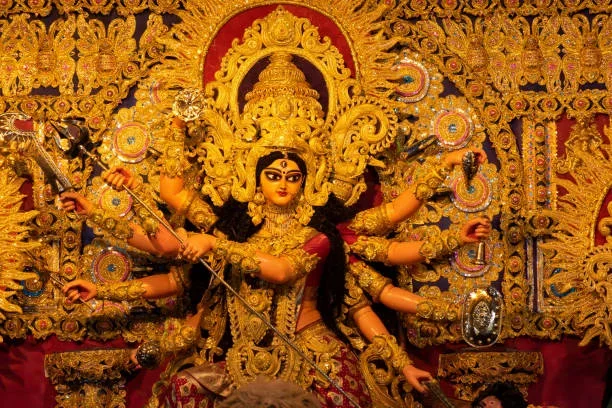
According to traditional Hindu texts, the creation of Maa Durga was a divine response to the relentless aggression of the demon Mahishasura. The sages and celestial beings requested the gods to craft a warrior capable of defeating him. As a result, a magnificent deity emerged, embodying the attributes of all major gods and the divine energy of Shakti. Her conception is often described in the ancient epics, where she manifests as a radiant, ten-armed goddess, each hand holding a sacred weapon or symbol of righteousness.
- Mahishasura Mardini: the defender of dharma
- Shailaputri: the lover of nature’s serenity
- Chandraprabha: the illuminating lunar force
- Kalaratri: the night that dissolves fear
- Maha Ashok of wisdom and sages
Symbolism Behind Maa Durga’s Iconography
The visual depiction of Maa Durga is rich in significance. Her ten arms hold a myriad of objects—each emblematic of the actions and qualities required to overcome evil. For instance, the sword represents knowledge, while the discus symbolizes the mind’s illusory aspects. The horse, a trusted ally in warfare, signifies vitality, whereas the times some sources insert a lion or tiger, reflecting Fierce Courage. Her crown of radiant suns and stars highlights transcendence, and the aura of the motherly figure reminds devotees of the nourishment that comes from challenging forces. Together, these symbols weave the narrative of her presence not only as a battlefield commander but also as a compassionate caretaker who grants life and triumph.
Festivals That Honor Her Divine Power
Throughout India, the devotion to Maa Durga comes alive during six principal festivals, each reflecting a unique aspect of her divine influence. Whether observing the vibrant customs of Durga Puja in Bengal or the solemn fight of Navaratri in the north, believers commemorate her ever‑present strength. Below is a brief outline of the key festivals:
- Durga Puja – Celebrated primarily in West Bengal, this nine-day festival marks the victory over the demon and is famed for its artistic pandals and cultural programs.
- Navaratri – A nine-night devotion spanning the entire country, where devotees perform dances and perform worship rituals in honor of Maa Durga’s diverse manifestations.
- Sharad Navaratri – A fall event that emphasizes providing and praising the goddess’s guidance in dealing with adversity.
- Paksha Mandir Utsav – A celebration found in Tamil Nadu and other southern states that, remarkably, includes walls and banyan trees etched with her legends.
- Diwali – While commonly associated with the Light Festival, some sections include prayers for Maa Durga as part of the illumination.
- Vishnu’s Rahule Abhira – A lesser‑known ritual in certain eastern villages that includes the revival of Maa Durga’s battles.
Maa Durga in Modern Spiritual Practice
Today, Maa Durga’s teachings extend beyond temple walls into contemporary wellness practices. Her story serves as a paradigm for:
- Inner Strength and Resilience – Finding calm in chaos through meditation and reflective journaling.
- Community Engagement – Supporting collective healing initiatives and volunteerism that reflect her nurturing aspect.
- Health and Wellness – Integrating Ayurvedic approaches and breathing techniques, often named “Durga Bhatti,” for holistic balance.
- Environmental Consciousness – Her reverence for the environment encourages sustainable living and stewardship of natural resources.
These modern expressions illustrate how the deity’s influence persists in shaping personal transformation and social responsibility. Whether you’re reciting mantras, engaging in mindful yoga, or simply practicing kindness, Maa Durga’s role as a guide empowers you to channel the protector within.
Embrace the divine strength of Maa Durga – connect, celebrate, and empower today.
Frequently Asked Questions
Q1. What is the origin of Maa Durga?
Maa Durga was created by the gods as a collective divine force to defeat the demon Mahishasura after the sages and celestial beings requested a powerful warrior. She embodies attributes of all major deities, illustrating Shakti’s supreme energy. Her emergence is chronicled in ancient epics, depicting her as a radiant, ten-armed goddess wielding weapons of righteousness. Her story highlights divine intervention turning chaos into order. It serves as a timeless reminder of dharma’s triumph over adharma.
Q2. Why does Maa Durga have ten arms?
The ten arms represent the complete set of divine qualities and tools needed to overcome evil. Each hand holds a symbol—like a sword, discus, or bow—signifying knowledge, mind, and power. Together, they illustrate that a woman can wield multiple strengths simultaneously. This iconography reassures devotees that strength and compassion coexist harmoniously. It also reaffirms that she is accessible to all who seek help.
Q3. Which festivals honor Maa Durga?
Durga Puja, Navaratri, Sharad Navaratri, Paksha Mandir Utsav, Diwali and lesser-known village rituals such as Vishnu’s Rahule Abhira collectively celebrate her divine influence. Each festival emphasizes different aspects—victory over wickedness, devotion, seasonal gratitude, or community bonding. Devotees organize artistic pandals, perform dedicated dances, and offer prayers throughout these multi-day celebrations. These festivals not only honor Maa Durga but also strengthen communal ties. They also highlight regional variations in worship and devotion.
Q4. How does Maa Durga inspire modern wellness practices?
Her teachings encourage inner strength through meditation, journaling, and mindful yoga, mirroring her battle with chaos. Community engagement, such as healing initiatives and volunteerism, reflects her nurturing side. The integration of Ayurveda, breathing techniques, and eco-friendly habits embodies her reverence for nature. These practices help individuals cultivate resilience, purpose, and compassion in a fast-paced world. Consequently, Maa Durga remains a pivotal spiritual anchor for contemporary seekers.
Q5. What symbolism is found in Maa Durga’s iconography?
Maa Durga’s sword stands for knowledge, while the discus represents the mind’s illusory nature. The horse embodies vitality and mobility; the lion or tiger signifies bold courage. Her crown of suns and stars highlights transcendence, and her protective aura reminds devotees of nourishment. Each element weaves a message of leadership, compassion, and empowerment. Together, they narrate the triumph of good over evil, wisdom over ignorance, and the inner power within all.