Hidden Symbolism in Hindu Icons
Hindu icons are far more than mere representations of deities; they are compendiums of cosmology, philosophy, and mystical practice encoded in stone, pigment, and design. Hidden symbolism in Hindu icons reveals layers of meaning that devotees and scholars have deciphered for centuries. Understanding these layers opens a portal into the cultural, spiritual, and artistic heritage of India, offering insights into how everyday visual cues serve as gateways to higher knowledge. In the following exploration, we dive into the secrets embedded in the figures of Vishnu, the chromatic codes of sacred color, the intertwined myth of the serpent and lotus, and how temple architecture itself speaks a scriptless sutra, all while guiding you toward a deeper appreciation of the Divine’s visual vocabulary.
Hidden Symbolism in Hindu Icons: The Sacred Footprint of Vishnu
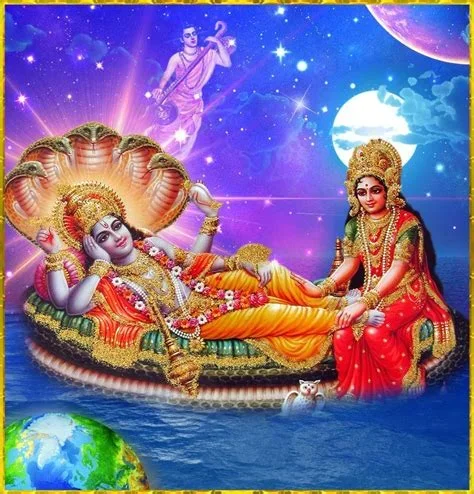
The iconography of Vishnu frequently depicts the ayudha (weapon) in one hand, a conch in another, a chakra (disc) shuttling in the third, and a mace in the fourth. Yet, beneath these dramatic gestures lies an unassuming yet profound symbol: the mannerism of Vishnu’s trampling step, often rendered as a flattened footprint. This compressed heel is not merely a stylized anatomical detail; it represents the cosmic law of Dharmic order, the Axis Mundi that unites the heavens and the earth. In Vedic tradition, the foot is seen as a “port of the cosmic ocean,” a point where the divine touch meets the mortal realm.
The footprint motif often appears in the garbhagriha (sanctum) iconism. It is a reminder that every human action echoes divine law. For example, the famous Nataraja statue of Shiva shows a stylized ripple of foot stances, each resonating with triadic meaning—cosmic time (Kala), cosmic joy (Ananda), and cosmic propriety (Dharma).
For a detailed visual study, consult the Vishnu Wikipedia page that outlines analysis of foot symbolism in diverse temple traditions.
Hidden Symbolism in Hindu Icons: Colors and Their Cosmic Language
Color in Hindu iconography functions as a roadmap across realms. Each hue corresponds to specific chakras, planetary bodies, and theological concepts. The palette of a typical Hindu sculpture is carefully curated to convey a celestial message from the unknown to the human eye. Below is a curated list of prominent colors and their esoteric implications:
- White – purity, the unchanging reality of Brahman, and the mind’s highest state. Often used for the face of Saraswati.
- Red – the divine fire (Agni), sexuality, and the hunger for spiritual experience.
- Blue – the boundless sky, Krishna’s domicile, and transcendence.
- Yellow – knowledge, as represented by Swarnamala (gold), and the wind (Vayu).
- Gold – the manifestation of the eternal, the divine aura surrounding deities.
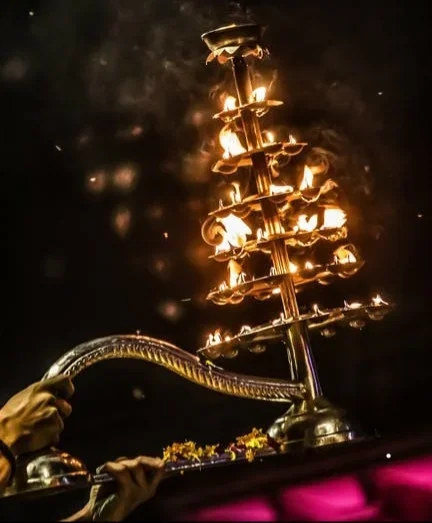
These colors weave together a “cosmic code” visible to seasoned pilgrims in the flicker of lamps, the marble’s intentional blush, and the gilded plates placed before an idol.
For the symbolism of Vedic colors, refer to the Chakra entry on Britannica, which traces color’s relationship to the body’s vital points.
Hidden Symbolism in Hindu Icons: The Serpent, the Lotus, and Their Interlaced Meaning
The recurrent images of serpents (nagas) wrapped around Vishnu’s throne and lotus flowers blossoming beneath Shiva’s aura are far more than decorative motifs. The naga’s coils symbolize the endless cycle of creation and dissolution, the primordial potential lying in waiting, while the lotus represents the pure soul rising from the murky waters of ignorance.
When a naga embraces a lotus, it is an allegorical narrative of the Supreme Self emerging through the depths of the cosmic ocean, confronted and guided by the earthly Cobra that animates the world’s axis of energy.
This interplay is also reflected in the Shakti/Devi iconography, where a goddess is sometimes born wearing serpentine ornaments, signifying her mastery over primal forces and her connection to the cosmic water that nurtures life. For a deeper means of interpreting the lotus’s hidden symbolism, explore the Lotus Wikipedia article which discusses its spiritual history across Asian traditions.
Hidden Symbolism in Hindu Icons: Architectural Ornamentation as Scriptless Sutra
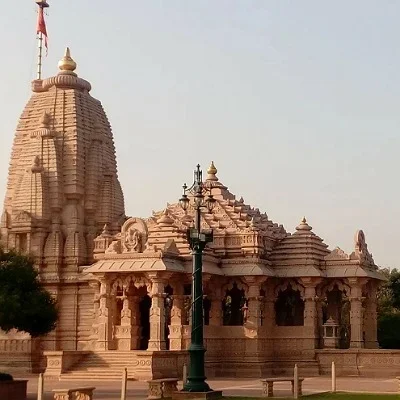
Temple architecture, especially the sculptural outer walls of Dravidian and Nagara styles, often tells a story without a single word. Intricate bas-reliefs of the Ramayana, Mahabharata, and the Bhagavata Purana are laid in a palimpsest pattern, echoing the path of karma. These carvings function as a scriptless sutra—a visual scripture illustrating cosmological insights, moral lessons, and the path to moksha (liberation).
Sculpted friezes hide additional symbolic messages in the form of geometrical motifs: the nested squares, the golden ratio in doorway frames, the concentric circles in mandalas, and the recurring pattern of six-fingered hands (ṣaḍpak). When a pilgrim walks along the outer wall, they trace the entire spiritual schema encoded in stone.
Fingerprinting the hidden symbolism in temple design requires a methodical approach. Detractors often miss subtle layers such as:
- Gemstone inlay that marks the presence of kundalini energy.
- Grid patterns that reference the 64 darśanas and 512 scriptural points.
- Carved mandalas placed above the architrave to symbolize cosmic time.
- Stained glass windows aligning the sun’s motion with the deity’s gaze.
For a scholarly examination of temple architecture’s symbolism, consult the National Archives page on South Indian temples which presents primary monument records and symbolic interpretations.
Hidden Symbolism in Hindu Icons: The Mandala of Divine Influence
Mandala designs staple the description of all principal Hindu icons. They map the soul’s journey inside a concentric circle that ultimately unifies the observer with the cosmos. A mandala can be read as a comic book of a microcosm: the deity resides at the center, radiating energy outward that returns to the northern sky. In temple art, the mandala’s embroidered lines mark a geocentric coordinate wherein the deity’s presence synchronizes with celestial bodies—creating a living *pada* (step) through time.
The architecture of the *garbhagriha* itself is a mandala, with a typical layout: a square sanctum chasing purple-amber circles along the perimeter, ending in a lotus-shaped cruciform with the living deity seated at the intersection. The spatial orientation reflects four cardinal directions: the deity’s calm gaze indicates completeness, while the surrounding shrines symbolize *wṛthyā* (purpose) and *sūtra* (connection).
In sum, hidden symbolism in Hindu icons is the invisible lexicon that enables devotees to navigate history, philosophy, and cosmology through images. By studying foot motifs, color codes, serpent-lotus symbolism, architectural narration, and mandalas, we gain a deeper connection with the divine representation that enriches both appreciation and personal spirituality.
Ready to explore even deeper? Join our upcoming free webinar on Vedic iconography and unlock the secrets behind every brushstroke and horned chalice. Reserve your seat now—and bring your journey from viewing to understanding.
Frequently Asked Questions
Q1. What is the significance of Vishnu’s footprint in iconography?
The flattened foot of Vishnu represents the axis mundi, connecting the celestial and earthly realms. It symbolizes the cosmic law of Dharmic order, indicating that every human action echoes divine law. Sculptors used it to remind devotees of their responsibilities within the spiritual ecosystem.
Q2. How do colors encode spiritual meanings in Hindu icons?
Each hue corresponds to specific chakras, planetary bodies, and theological concepts—white for Brahman, red for Agni, blue for Krishna, yellow for Vayu, and gold for the eternal divine aura. Artists carefully select these colors to convey celestial messages to the viewer. When observed, these palettes become a living cosmology displayed in stone or pigment.
Q3. What do the serpent and lotus motifs together symbolize?
The naga’s coils represent the endless cycle of creation and dissolution, while the lotus signifies the pure soul emerging from ignorance. When a serpent embraces a lotus, it depicts the Supreme Self navigating through cosmic waters guided by earthly energies. This duality illustrates mastery over primal forces in Shakti iconography.
Q4. In what ways does temple architecture act as a scriptless sutra?
Bas-reliefs of epic tales, geometrical motifs, gemstone inlays, and mandalas serve as visual scriptures teaching cosmological insights and moral lessons. Pilgrims trace these designs as they walk, absorbing teachings without words. The architecture, therefore, becomes a living scripture guiding paths to moksha.
Q5. How do mandalas relate to the sacred space of a temple?
Mandala designs map the soul’s journey from the deity at the center outward to the cosmos, mirroring the temple’s layout. The garbhagriha’s square sanctum and concentric circles reflect sacred geometry, aligning with cardinal directions. This spatial choreography unifies observer and divine, embodying spiritual completeness.