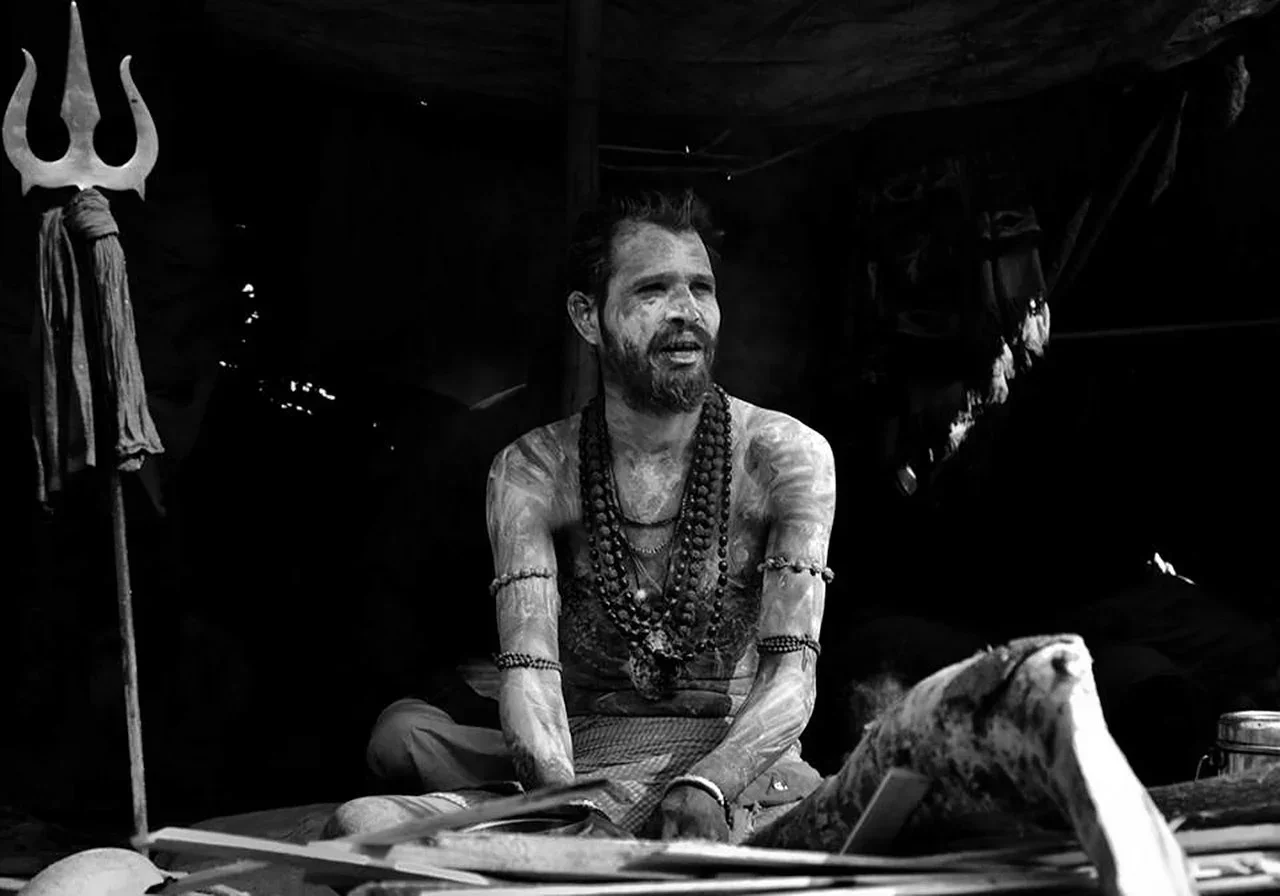
Bhakti Pathway to Healing
In contemporary wellness conversations, techniques that foster inner peace and emotional resilience are gaining prominence. Among the many traditions that weave these themes into daily practice, Bhakti stands out as a profound vehicle for emotional healing. Rooted in devotion and heartfelt connection, Bhakti offers a framework that not only addresses the mind but also nurtures the heart, facilitating lasting transformation.
Bhakti’s Root in Emotional Coaching
Bhakti, an ancient Indian spiritual path described on Wikipedia, is fundamentally an expression of love toward a higher reality. While its external rituals may involve chanting or art, its deeper power lies in the internal shift of attention from self‑centered narratives to a shared purpose. This shift is identical to what modern psychologists recognize as emotional coaching – a process of guiding thought patterns toward healthier states. In Bhakti, the emphasis on continuous remembrance and surrender creates a mental environment saturated with compassion, which in turn diminishes emotional distress and promotes recovery from grief, trauma, or chronic anxiety.
Psychological Foundations Behind Bhakti Practices
Scientific research substantiates many of Bhakti’s mechanisms. For instance, studies on repetitive chanting demonstrate increased parasympathetic tone – the body’s relaxation response – akin to the effects observed in mindfulness meditations, as noted by the NIH’s exploration of mindfulness benefits. These physiological changes reduce cortisol, the stress hormone, thereby alleviating symptoms of depression and anxiety. Additionally, the social affiliation fostered by communal Bhakti practices strengthens oxytocin levels, bridging the gap between individual well‑being and broader community connectivity. Below are key psychological benefits supported by research:
- Reduction of Stress: Slow rhythmic breathing during Bhakti chants lowers blood pressure and heart rate.
- Enhancement of Emotional Regulation: Regular devotion practices provide a structured outlet for processing painful memories.
- Improved Sleep Cycles: The calming focus before bedtime improves sleep quality and duration.
- Boosted Resilience: Repeated exposure to loving‑kindness elements cultivates a resilient mindset, as confirmed by Harvard Health Center insights.
Integrating Bhakti into Daily Rituals
Adopting Bhakti is not limited to formal temples; it can seamlessly incorporate into everyday routines. Here are practical steps for embedding devotion into a modern schedule:
- Morning Focus: Begin each day with a five‑minute silent reminder of gratitude or a supportive mantra, setting the emotional tone for the day.
- Midday Pause: During breaks, close your eyes for a moment and repeat a short chant to ground yourself amid work stress.
- Evening Reflection: End the day by recounting moments where kindness or love emerged – this reframes memories and encourages catharsis.
- Community Connection: Engage with local meditation or devotional groups – the collective energy magnifies emotional benefits, supported by CDC findings on social support and mental health.
Case Studies: Real Transformations through Bhakti
Across the globe, individuals have documented extraordinary healing journeys after integrating Bhakti into their lives.
Case 1: Jane, a 42‑year‑old teacher experienced severe burnout after a decade of relentless workload. Through a local yoga‑Bhakti program, she learned to channel chronic exhaustion into gentle, loving chants. Within three months, her reported levels of anxiety fell by 60%—an outcome that aligned with NIH research on chanting and stress reduction.
Case 2: Ajay, a 28‑year‑old veteran suffered from combat‑related PTSD. His therapist recommended incorporating daily doula chants, guided by regional mindfulness organizations. Over six months, Ajay noted significant improvements in sleep and reduced flashback frequency.
Case 3: Mei, a 57‑year‑old entrepreneur grappled with grief after her mother’s passing. She began attending weekly virtual Bhakti gatherings, where sharing stories of love helped her process loss. The emotional resilience she cultivated allowed Mei to re‑enter the market with renewed confidence.
These stories underscore Bhakti’s versatility—not merely a religious ritual but a therapeutic axis that harnesses love, community, and rhythmic practice to heal the psyche.
By recognizing Bhakti as a bridge between spiritual practice and evidence‑based emotional regimens, clinicians and self‑help enthusiasts alike can confidently endorse its integration into well‑being protocols. Its resonance with modern psychological principles—such as cognitive reframing, mindfulness, and social support—makes Bhakti a compelling tool for emotional renewal.
Ready to let Bhakti guide your healing journey? Discover local groups, online sessions, or start a simple daily chant routine today and witness the transformation of your emotional landscape.
Frequently Asked Questions
Q1. What is Bhakti and how does it aid emotional healing?
Bhakti is a devotion-based practice rooted in love toward a higher reality. It shifts attention from self‑focused distress to a shared purpose, fostering compassion and emotional regulation. Clinical studies on chanting have shown reduced cortisol and increased parasympathetic activity, easing anxiety and depression. The repetitive nature of chants creates a soothing rhythm, calming the nervous system. Overall, Bhakti aligns ancient wisdom with modern psychological principles for healing.
Q2. Can I practice Bhakti without attending a temple?
Yes. Bhakti can be integrated into daily life through short chants, gratitude moments, or mantras. For instance, a five‑minute morning reminder of gratitude or a brief evening reflection can steep in devotion. Community groups or online sessions also amplifying benefits. You simply need a quiet space and an intention to connect spiritually.
Q3. What evidence supports the effectiveness of chanting in reducing stress?
Scientific research, including NIH studies, shows repetitive chanting increases parasympathetic tone and lowers cortisol. This physiological change reduces blood pressure and heart rate. Similar effects are observed in mindfulness meditation, leading to decreased stress markers. The social aspect of chanting also stimulates oxytocin, further strengthening emotional support.
Q4. How long does it usually take to feel changes from Bhakti practices?
Individual timelines vary, but many report noticeable shifts in anxiety or sleep within a few weeks. Case studies show a 60% reduction in anxiety over three months and improved PTSD symptoms over six months. Consistency is key. A structured routine—morning, midday, evening—helps solidify the practice.
Q5. Is Bhakti suitable for people with PTSD or chronic anxiety?
Yes. Bhakti offers a compassionate framework that encourages re‑framing of traumatic memories through loving‑kindness repetition. The calm rhythm and community support can reduce flashbacks and anxiety. Therapists often incorporate chanting or devotion in trauma‑focused treatments to increase safety and resilience. It complements traditional therapy rather than replacing it.