Incense in Puja Explained
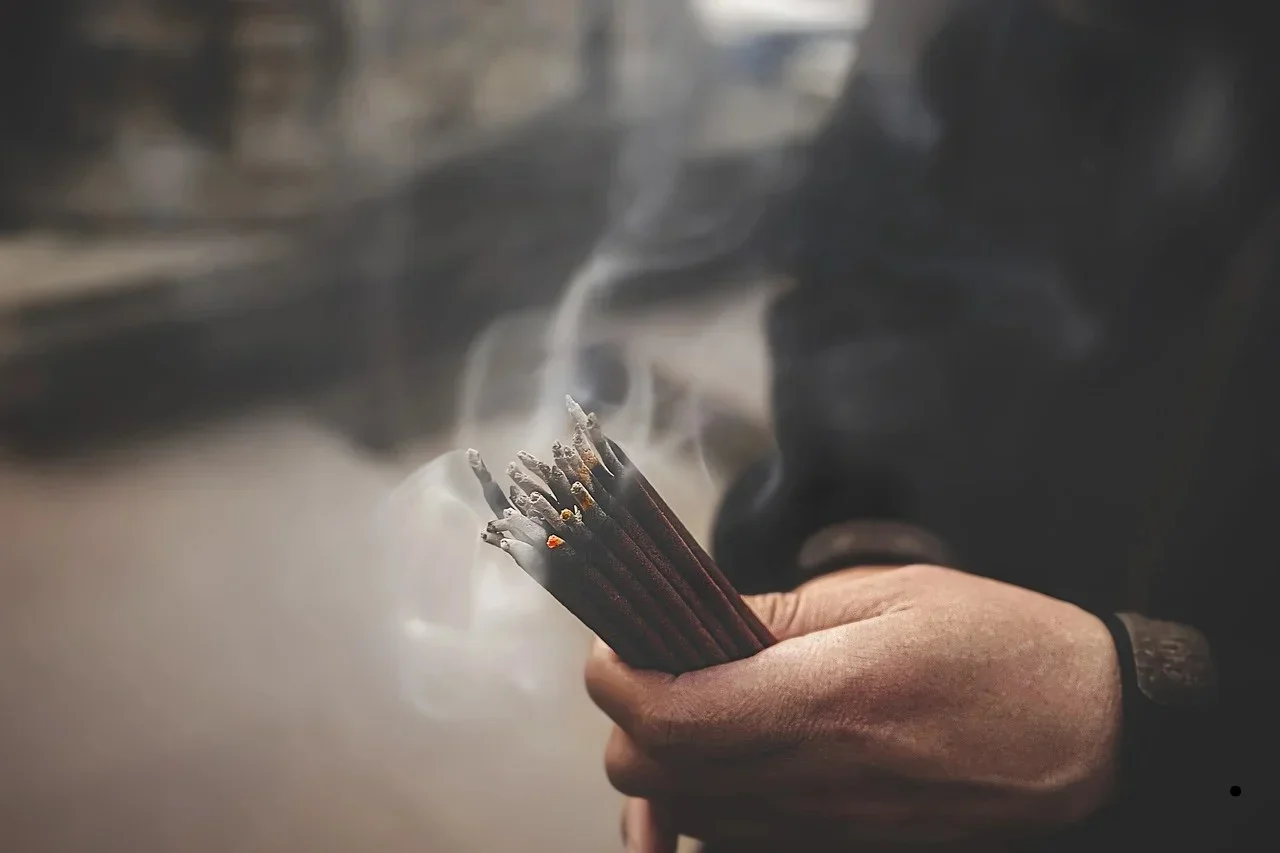
In many household altars and temple sanctums, a wispy plume of fragrance hangs in the air during puja. That fragrant cloud is produced by incense sticks, coils, or powders, and its use has deep spiritual, cultural, and psychological roots. The act of lighting incense in puja is not just decorative; it is a ritual act that symbolizes purification, devotion, and connection to the divine. The aroma awakens senses, guides meditation, and creates an environment that separates the mundane from the sacred. In this post we examine the reasons incense is integral to puja, tracing its history, exploring its benefits, and showing how modern devotees can choose the best types for their practices.
Incense: Spiritual Significance
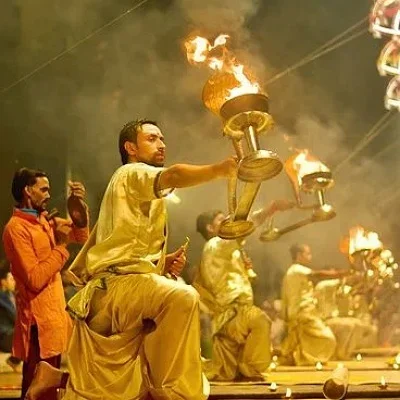
From a yogic perspective, incense is more than a pleasant scent—it acts as a prana modifier. The sacred fragrances are believed to influence the subtle energy fields around the worshipper, bringing the body’s subtle energies into alignment with the divine. According to Hindu scripture, the aroma of incense draws Hinduism’s three aspects: faith, devotion, and wisdom, forming the trifecta of righteous living. In temples, monks light incense while chanting mantras; the combined sound and scent are said to expand consciousness. The fragrant smoke also symbolizes the transition of the mundane mind into a state of calm, allowing worshippers to engage more deeply with the puja ritual and feel a sense of inner purification. Psychologically, the calming scent can lower cortisol levels, thereby enhancing focus during puja (see research from the National Center for Biotechnology Information).
Incense in Historical Origins
Incense use predates modern puja, dating back to ancient Mesopotamia, Egypt, and India. Archaeological digs have unearthed evidence of incense burners in Varanasi dating to 1500 BCE. The incense used in ancient rituals was often derived from resinous trees like agarwood, sandalwood, and teakol, as well as powdered spices. These materials were ground, mixed with spices, sweeteners, or grains, and wrapped in twine to form sticks or coils. The tradition of burning fragrant resins entered the Vedic liturgy, where gods like Vishnu and Shiva were invoked through incense along with hymns and yajnas (sacrificial fires). The evolution of incense in puja also reflects the broader shift from smoky, raw combustion to more controlled, aromatic fumes ideal for meditation. Today, while modern incense is simpler to use, its symbolic roots remain unchanged.
How Incense Enhances the Puja Experience
Incense contributes to the multi-sensory environment of puja. While light candles or oil lamps provide visual focus, and chant or instruments provide auditory stimulation, the aroma of incense merges them into a unified atmosphere. The scent draws the ananda—bliss—out of the soul into the everyday setting, blending the tangible with the transcendent. Incense is also a protective element; the smoke’s smoky white ribs are believed to drive away negative energies and open the space to benevolent deities. For many practitioners, inhaling incense fragrance during a daily puja is a vital reminder of the omnipresence of the divine, forging a direct link between breath and devotion.
- Sandalwood – Sweet, cooling scent; enhances meditation and promotes calmness.
- Frankincense (olibanum) – Warm, resinous aroma; encourages focus and spiritual clarity.
- Myrrh – Earthy, complex fragrance; used in healing and protective rites.
- Rose – Floral, uplifting scent; associated with the goddess Lakshmi and abundance.
Each type of incense releases unique fragrance compounds that can stimulate different brain pathways. For instance, frankincense contains α-pinene and beta-pinene, which have been shown to reduce anxiety. These subtle biochemical interactions underpin the practice’s effectiveness, making the incense a true ally of the puja experience.
Modern Incense Practices and Best Types
In contemporary home puja, the goal remains the same: to respect tradition and create a meaningful ritual. Today, devotees often choose incense types based on convenience, environmental concerns, and scent preferences. Most modern incense sticks contain a mixture of natural resin, essential oils, starch binders, and a bamboo or paper stem to facilitate burning. If you prefer a more Ayurvedic approach, research natural sandalwood and frankincense sticks from reputable vendors. For a sustainable choice, look for incense made with biodegradable paper wrappers and without toxic preservatives. When selecting incense for puja, the scent should be subtle enough to not overpower the mind yet rich enough to carry the spiritual vibration. Pairing incense with traditional chanting and lamp lighting achieves a balanced, immersive ritual that honors ancient customs while fitting modern lifestyles.
Conclusion: The Lasting Legacy of Incense in Puja
From ancient palaces to contemporary kitchens, incense has endured as a cornerstone of puja practice. Its aromatic power purifies the environment, elevates the mind, and bridges the human experience with the divine. Whether you light a stick in your home altar, visit a temple, or incorporate incense into daily mindfulness, the fragrance of incense cloaks you in a reminder of timeless spiritual wisdom. Explore a quality range of incense and discover which scent best meets your path—sweet, resinous, or floral—so you can enrich your puja and carry a piece of ancient tradition into every moment of devotion.
Ready to infuse your puja with the timeless fragrance of incense? Visit reputable suppliers, discover the spice of ancient rituals, and light your own path to peace now.
Frequently Asked Questions
Q1. What is the primary purpose of incense in puja?
Incense primarily serves to purify the space, elevate the devotional atmosphere, and bridge the mundane to the divine. By releasing fragrant smoke, it is believed to cleanse negative energies and invite auspiciousness. The scent also aids worshippers in focusing their minds on the deity during rituals.
Q2. Which types of incense are best suited for a home puja?
Traditional sandalwood, frankincense, and myrrh sticks are favored for their subtle yet spiritually potent aromas. They provide lasting fragrance without overwhelming the senses, making them ideal for daily practice. Modern eco‑friendly options made from biodegradable wrappers can also be used.
Q3. How does incense affect the mind and emotions during worship?
The aroma triggers the limbic system, helping to lower cortisol levels, reduce anxiety, and promote calmness. This biochemical response enhances concentration and deepens meditation. Over time, regular inhalation encourages a sense of inner purity.
Q4. Are there any safety tips when burning incense at home?
Place the burner on a stable, heat‑resistant surface away from flammable objects. Use a well‑ventilated room and keep a fire extinguisher close. Always extinguish the stick fully after use and avoid burning incense in windy or dusty areas.
Q5. Can incense be used in non‑Indian rituals and still maintain its effectiveness?
Absolutely. The calming and purifying properties of incense are universally applicable. Whether in Christian, Buddhist, or contemporary mindfulness practices, fragrant smoke can enhance focus and create a sacred ambiance.