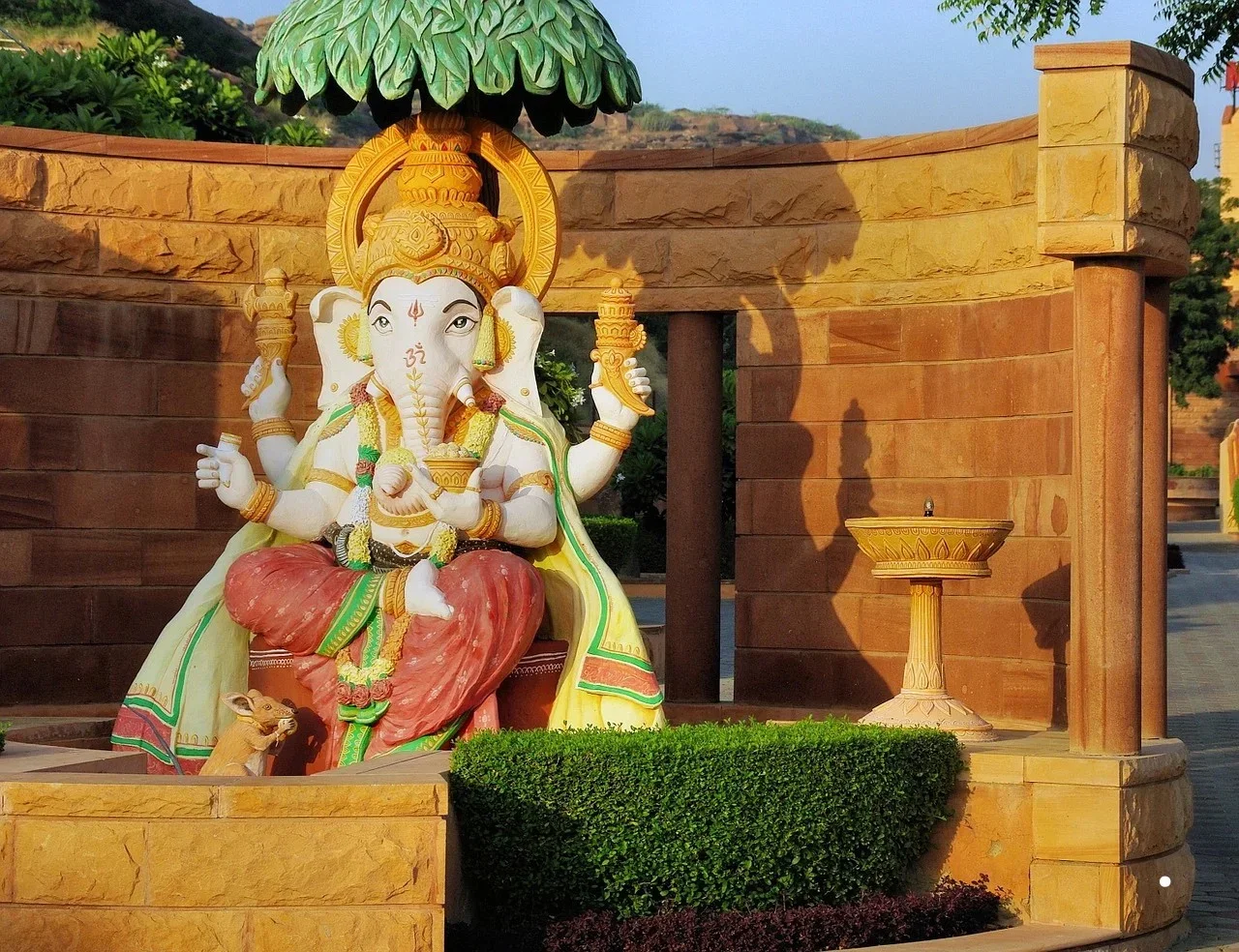
Ganesh Chaturthi New Beginnings
Ganesh Chaturthi is a vibrant Hindu festival centered on the worship of Lord Ganesha, the elephant‑headed remover of obstacles. The holiday typically unfolds over nine days, beginning on the tenth day of the lunar month of Bhadrapada, and culminates with the immersion of the deity’s idol in water. Observed across India and in communities worldwide, Ganesh Chaturthi is more than devotion; it is a ritual of renewal that invites families, friends, and even strangers to embrace fresh beginnings together. At its heart, the festival blends ritual practice, cultural performance, and an environmental conscience, reflecting how ancient traditions can adapt to contemporary values.
Ganesh Chaturthi: Cultural Roots and Modern Celebrations
Odisha, Maharashtra, and Gujarat trace the origins of Ganesh Chaturthi back to the 19th century when Pandit Shreemad Govind Ballabh Pant and Keshav Baliram Hedgewar institutionalized the procession through mass public rituals. As Ganesh Chaturthi spread, it evolved from a private home ceremony to a city‑wide spectacle that showcases bhajan, puppetry, and social pledges. Living in a globalized world, modern celebrations now host corporate sponsorships, entrepreneurial stalls, and tech‑driven livestreams, breathing new life into the ancient rite of the elephant god. The adaptation of digital diaries for tracking puja steps illustrates the intersection of tradition and technology, especially for younger devotees who seek meaning within a connected lifestyle.
Ganesh Chaturthi: Symbols of New Beginnings
Every invocation of Lord Ganesha, the most widely loved deity, signifies a fresh start. The freshly prepared modaks, a sweet offering, symbolize prosperity; the garland of red flowers represents new hope; the plunge of the idol into water reflects purification. In the deeper sense, the festival coincides with Indian harvest season, where farmers gather the fruits of their labor; it reminds society that after sowing, there’s a blessed cycle of renewal. By aligning the deity’s public appearance with the festive liturgy of the Alankāra – decorated processional flags – devotees weave an inclusive tapestry that unites the rural and urban, the youthful and elderly, into the same spiritual narrative.
Ganesh Chaturthi: Community Spirit and Offerings
Beyond the personal devotion, Ganesh Chaturthi features communal activities that foster social bonds. Communities gather at local temples to set up elaborate three‑tier taṇḍas – platforms that support Ganesha idols, each tier symbolizing the removal of successive obstacles. Participation in these ritualistic choreographies, from lighting diyas to chanting sahasranama, becomes an act of collective renewal. Below are five key traditions that embody the festival’s ethos:
- Installation of the clay idol on a multi‑tiered taṇḍa, accompanied by flour dusting signifying purity.
- Donating lalabag (plum cake) to the needy, illustrating the principle of dāna and communal prosperity.
- Preparing modak at home, a symbolic sweet that melts when offered, reflecting the transient nature of life.
- Performing the public arati (waving of lamps) to invite the presence of Ganesha throughout the community.
- Engaging in the immersion procession (abhishekam) after nine days, symbolizing surrender to the cosmic cycle.
Ganesh Chaturthi: Sustainable Practices
While celebratory zeal can undermine ecological balance, many towns have instituted eco‑friendly policies that harmonize the festival with environmental stewardship. The shift from plaster‑based idols to biodegradable clay or fir‑based materials ensures that abhishekam does not contribute to waterway pollution. In addition, cities mandate the use of solar lamps and the distribution of reusable cloth dhoti for ritual immersion. According to data from the Nature sustainability report, regions that adopt biodegradable idols report a 57% decrease in hazardous residues in downstream water systems. These conscious steps bridge cultural reverence with planetary responsibility.
Ganesh Chaturthi: Personal Connection
For many devotees, Ganesh Chaturthi acts as a yearly reset button. Stories circulate of people choosing new career paths, beginning marriages, or initiating business ventures during the festival. Psychological research suggests that aligning significant life events with sacred calendars elevates a sense of purpose and hope. Moreover, the festival’s community gatherings reduce social isolation – a factor that enhances emotional resilience. In neighborhoods that participate in the MIT Sustainable Cities Initiative, participants notice that the act of sharing modaks and narrating personal goals fosters a collective ambience that supports new beginnings.
Ganesh Chaturthi: Global Cultural Harmony
India’s diaspora transplants rituals into cities across North America, Europe, and Australia, preserving nuances while blending them with local customs. In several U.S. states, Hindu temples employ multi‑tiered taṇḍas and digital streaming to involve expatriates living in multiple time zones. Recognizing the symbolic power of Ganesh’s elephant head, civil councils in places like New York have allowed cultural committees to organize processional events that amplify multicultural dialogues. In these contexts, the festival becomes a platform where faith, arts, neural heritage, and modern economics intersect, serving as a bridge between generations and diverse cultural narratives.
Ganesh Chaturthi: Future Outlook
As climate change alarms rise, the celebration has paved avenues for technology‑guided sustainability. In 2024, several Indian cities introduced an app to map abhishekam routes, reducing traffic congestion and pollution. The Government of India’s cultural ministry released guidelines for green ceremonies, ensuring that community celebrations align with the National Action Plan for Climate Change. Another promising development is the use of virtual reality immersions that allow remote participants to experience the procession dynamically. This blend of archaic devotion and modern digital frameworks promises a resilient path where tradition is neither lost nor regressed but amplified.
Ganesh Chaturthi: Conclusion and Call to Action
Ganesh Chaturthi reminds us that every ending gracefully leads to a new beginning, intertwining faith, community, and responsibility. Whether you stand in front of a majestic taṇḍa, taste a freshly made modak, or simply pray for a clear path ahead, let the festival inspire you to break barriers and welcome change. Take action today: support local Green‑Ganesha initiatives, spread awareness about sustainable idol materials, or simply plan a joyous gathering that embodies renewal. By doing so, you honor the ancient legacy while crafting a brighter, greener tomorrow.
Frequently Asked Questions
Q1. What is the significance of Ganesh Chaturthi?
Ganesh Chaturthi celebrates the birth of Lord Ganesha, the remover of obstacles, and marks a period of renewal and gratitude. Devotees perform puja, offer sweets, and immerse idols to symbolize new beginnings. The festival fosters unity across communities, encouraging collective devotion and shared joy. It also reflects cultural adaptation, balancing tradition with contemporary values. The celebration strengthens faith by connecting prayer with tangible actions like charity and environmental care.
Q2. How is Ganesh Chaturthi celebrated in modern times?
Today’s celebrations blend traditional rituals with corporate sponsorships, tech livestreams, and eco‑friendly initiatives. Large processions are organized in city parks, and devotees use apps to track puja steps. Social media and digital diaries help younger generations remain engaged. Many communities adopt green practices, such as biodegradable idols. Public festivals now include virtual participation for worldwide devotees.
Q3. What eco‑friendly practices are adopted during Ganesh Chaturthi?
Idols are increasingly made from clay or biodegradable mixtures to avoid water pollution. Solar lamps and reusable cloths replace kerosene lamps. Municipalities map immersion routes, reducing traffic. Communities limit plastic use and encourage reusable materials. Eco‑education campaigns are organized during the festival, emphasizing sustainable celebration.
Q4. How does the festival encourage new beginnings?
The ritual of immersing the idol symbolizes letting go of the old and welcoming fresh opportunities. Offering modak and jalebi symbolizes prosperity. Devotees often align important life decisions—marriage, career, business—with the festival. Community gatherings reduce isolation, promoting emotional resilience. The festival’s emphasis on renewal serves as a powerful reminder that endings can lead to hopeful starts.
Q5. How can I participate in Ganesh Chaturthi celebrations if I live abroad?
Many overseas temples hold processions, virtual puja streams, and cultural performances online. Volunteering to assist in local community events is welcomed. You can make a traditional offering, such as modak, and share it with neighbors. Use social media to join global livestreams and discuss your devotion. Mobile apps and online guides can help you follow the exact puja sequence from afar.