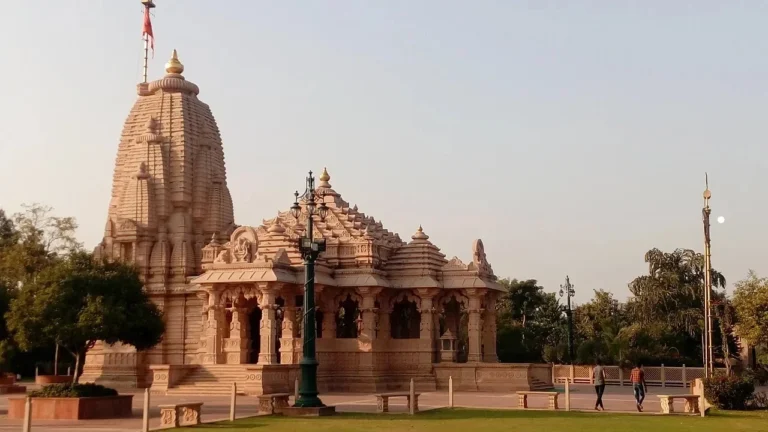
Janmashtami Celebrates Inner Joy
Janmashtami, the vibrant celebration of Lord Krishna’s birth, is more than a cultural festival—it is a profound journey toward inner joy. By engaging in devotional rituals, listening to soulful music, and practicing mindful reflection, millions of devotees experience a deep sense of bliss that transcends the physical festivities. This holiday invites participants to pause, rejoice, and reconnect with the joy that resides within, inviting a quieter, more centered life that extends beyond the celebration itself.
The Spiritual Roots of Janmashtami
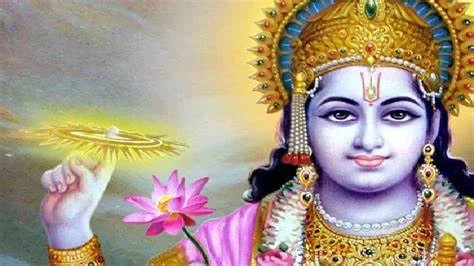
Janmashtami’s roots lie in Vedic scriptures that describe Krishna as the incarnation of divine playfulness, love, and wisdom. According to texts such as the Janmashtami Wikipedia, the birth is celebrated to honour the momentous arrival of a teacher who would reveal the deeper truths of life. Historical accounts describe the event in several kingdoms, from Mathura where Krishna was born to the lasting impact he had on future generations. By honoring this divinity, devotees seek to replicate the inner happiness that Krishna’s stories embody.
How Janmashtami Cultivates Inner Joy
- Devotional Worship – Simple gestures of offering fruit, flowers, and music create a sacred atmosphere that awakens joy within the heart.
- Mindful Meditation on Stories – Reflecting on Krishna’s teachings trains the mind to greet life’s challenges with calm and compassion.
- Joyful Community Gatherings – Sharing food, music and laughter reinforces social bonds, sparking an even greater sense of contentment.
- Purity Rituals – Cleaning homes and performing batik shows devotion while reminding practitioners that joy often thrives in a clear, uncluttered space.
The union of these practices culminates in a state of “inner joy,” an emotion that transcends the temporary excitement of festival lights. By tuning into devotion and mindfulness, each devotee attains a quiet, resilient happiness that serves as a counterpoint to daily stress.
Practical Ways to Experience Inner Joy During Janmashtami
For modern devotees seeking to join the celebration without traveling to a major temple, the following steps can easily be incorporated into everyday life:
- Start your day with a 10‑minute quiet meditation on a verse from the Bhagavatam that resonates with you.
- Invite loved ones to share a homemade snack, such as kanda puri or sweet coconut laddus, to foster communal happiness.
- Play Krishna’s flute or sit to a recorded devotional soundtrack, such as the beautifully curated playlist available from Britannica Janmashtami, to nourish the soul.
- Write down one blessing you wish to receive for the year, and read it aloud—this gives a concrete focus for inner joy.
- End the festival with a small act of charity; giving to a neighbor or a local shelter amplifies the sense of communal joy.
These simple rituals may seem small, yet they form a structure that encourages a steady vibration of inner happiness, as illustrated by many practitioners who share stories online on forums and social media.
Janmashtami Celebrations Around the World
While the vibe in India’s major cities such as Mathura or Vrindavan is legendary, diaspora communities across the globe—everywhere from New York to Sydney—bring their own flavors. In each city, local temples organize theatrical reenactments of Krishna’s childhood, and children participate in “nautak” performances, showing how the joy of Janmashtami transcends geographic borders.
Even small houses of worship on the outskirts of Delhi and Chennai typically host communal vigils where devotees sing bhajans, light lamps, and meditate. These local celebrations highlight the universality of inner joy: no matter where you are, the essence of the festival—the shared love for Krishna and the innate happiness it encourages—remains unchanged.
Healthy Reflections for a Joyful Tomorrow
Reflecting on Janmashtami’s deeper meaning invites one to ask: “What does inner joy feel like?” The answer is often found in simplicity—an uncluttered mind, a warm smile, or a quiet storm of gratitude. For many, it means practicing gratitude every day, noting small blessings that appear in meetings or in the natural world.
Integrating the lessons of the festival into your weekday routine creates a continuous stream of joy: share a kind word, pause to breathe, look for opportunities to help, and treat the day’s complications with a calm attitude.
Exploring additional Janmashtami news and literary articles elucidates how the celebration plays an important role in mental and social well‑being.
Conclusion: Embrace Inner Joy this Janmashtami
Join us in celebrating Janmashtami as an invitation to deepen our inner joy, wherever we are. Whether you spend the day singing bhajans at your local temple, meditating alone at home, or volunteering at a community event—every act expands the space for happiness. Let this festival remind us that true joy lives in devotion, simplicity, and a compassionate heart. Join a nearby celebration or start your own ritual to experience the profound joy of Janmashtami, and share your journey with us to inspire others.
Frequently Asked Questions
Q1. What is the main purpose of celebrating Janmashtami?
The festival marks the birth of Lord Krishna, revered as a divine teacher and symbol of joy. It serves as a reminder of the values he embodied—love, compassion, and wisdom. Through devotional rituals, devotees seek to connect with these qualities and cultivate inner peace. The celebration also strengthens community bonds and cultural identity.
Q2. How can I experience inner joy during Janmashtami if I cannot attend a temple?
Start with a short meditation on a verse from the Bhagavatam. Prepare a simple offering—fruit or sweets—and play devotional music or a Kerala flute playlist. Share a homemade snack with family to foster togetherness. Finally, write a personal blessing or perform a small act of charity to amplify the sense of joy.
Q3. What role do communal gatherings play in the festival?
Community gatherings amplify the emotional resonance of Janmashtami by sharing songs, stories, and food. They reinforce social cohesion and create a collective sense of gratitude. By singing bhajans together, participants experience a shared feeling of bliss that transcends individual moods. The communal vibe helps sustain the inner joy beyond the festival day.
Q4. Are there any specific rituals that help cultivate mindfulness?
Sundering, the practice of cleaning the surroundings, encourages mental clarity and present‑moment awareness. Morning mantra recitations anchor the mind and set a calm tone for the day. Engaging in mindful reflection on Krishna’s teachings promotes compassion and patience. Combined, these rituals foster a steadier, reflective state of being.
Q5. How does Janmashtami contribute to mental well‑being?
The festival incorporates gratitude practices, community support, and meaningful reflection, all of which strengthen resilience. By taking time for devotion and mindful rituals, devotees reduce anxiety and stress. The shared festivities also provide a supportive network, fostering a sense of belonging. Ultimately, Janmashtami can enhance overall mental health by nurturing peace and hope.