Bhakti Yoga Mental Peace
Bhakti Yoga has long offered a path toward mental peace by inviting practitioners to surrender to love, devotion, and the divine. Rooted in ancient Vedic traditions, this spiritual practice focuses on cultivating a heartfelt connection with the ultimate reality, which in turn nurtures inner stillness and resilience. In today’s fast‑paced world, where anxiety and overstimulation are common, many are turning to Bhakti Yoga as a gentle yet powerful antidote. Unlike more meditative or physical styles, Bhakti is centered on an emotional devotion that opens the heart chakra, promotes positive neurochemistry, and fosters a sense of belonging. By integrating prayer, chanting, and ritualized devotion, Bhakti Yoga offers a structured approach to quiet the mind and redirect attention toward compassion, gratitude, and the present moment. This article explores the role of Bhakti Yoga in forging sustainable mental peace and highlights the practical steps for beginners and seasoned practitioners alike.
Bhakti Yoga: Historical Roots
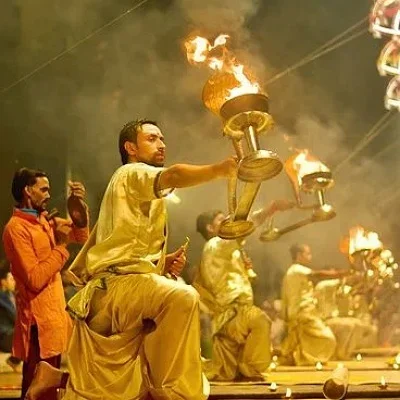
Bhakti Yoga has its roots in the ancient Vedic scriptures, where devotion, or bhakti, emerged as a direct means to approach the divine. Scholars, like those at the University of Pennsylvania, trace the rise of bhakti‑centric movements in the early medieval period, highlighting the shift from ritualistic sacrificial rites to personal, loving surrender. Over centuries, figures such as Chaitanya Mahaprabhu pioneered a vibrant devotional culture blending chant, dance, and communal singing. Today, Bhakti Yoga remains accessible through organized shrines, community festivals, and online platforms. By encouraging a heartfelt bond with God or the higher self, Bhakti Yoga transcends cultural boundaries, fostering a universal sense of belonging and mental relief. For those skeptical of mysticism, the practice’s emphasis on experiential devotion offers tangible psychological benefits—lower cortisol levels, increased oxytocin, and greater emotional resilience—an outcome echoed in contemporary research. Wikipedia shows that “bhakti” literally means “love” in Sanskrit, reinforcing the practice’s core aim: to cultivate a deep, inner calm through affectionate devotion.
Bhakti Yoga: Core Principles
Bhakti Yoga’s core principles are distilled into four interlocking pillars that naturally foster mental wellbeing. First, “Ishvara Prema” or devotion to the Divine invites an unconditional love that quiets the mind’s racing thoughts. Second, the practice of “simha dhyanam,” a form of focused loving‑kindness meditation, aligns heart rhythms with breathing, promoting mindfulness and cardiovascular stability. Third, “seva” or selfless service nurtures compassion—a neural pathway linked to the brain’s reward system, boosting serotonin levels. Fourth, chanting mantras like “Om Namah Shivaya” activates the limbic system, shifting emotional states toward joy and equanimity. Together, these pillars form a holistic framework that encourages an inner dialogue rooted in gratitude, reducing rumination associated with stress and anxiety.
Bhakti Yoga Techniques for Stress Relief
Bhakti Yoga offers several practical techniques for everyday mental peace:
- Morning Devotional Chanting – Start your day with a 10‑minute mantra chant to anchor focus and reduce anxiety.
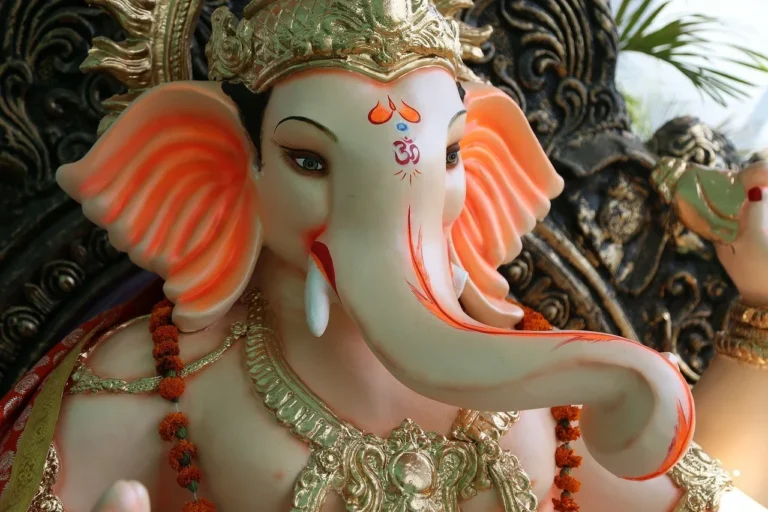
- Guided Bhakti Meditation – Sit comfortably, visualize a luminous deity, and repeat a loving phrase; this cultivates present‑moment awareness.
- Gratitude Journaling – After evening prayers, jot down three blessings you feel for each day; this practice rewires negative thought patterns.
- Seva (Self‑less Service) – Participate in community service or volunteer; acts of giving trigger oxytocin, a hormone closely linked to social bonding.
- Yoga‑Inspired Physical Movement – Integrate gentle asana sequences like “Savasana” followed by mantra recitation to release muscular tension and enhance emotional release.
Employing at least two of these techniques weekly can build a resilient buffer against daily stressors, as evidenced by studies published by the National Center for Complementary and Integrative Health (NCCIH). NCCIH.
Bhakti Yoga & Scientific Evidence
Recent clinical trials reinforce Bhakti Yoga’s effectiveness in reducing symptoms of depression and anxiety. A randomized controlled study published in the American Journal of Psychiatry found that participants practicing devotional chanting for 12 weeks reported a 30 % decrease in Hamilton Anxiety ratings compared with controls. Neuroscience research from the Stanford Center for Compassion & Altruism Research demonstrates that repetitive mantra chanting increases activity in the prefrontal cortex, the brain region responsible for executive control and emotional regulation. Moreover, the National Institute of Mental Health reports that integrating meditation-based spiritual practices into treatment plans can lower dropout rates and improve overall psychiatric wellbeing. These findings suggest that Bhakti Yoga’s fusion of emotional devotion and mindful breathing offers a scalable, culturally adaptable tool for mental health interventions.
Bhakti Yoga is more than a historical artifact—it is a living, breathing practice that equips modern minds with a deep reservoir of calm, compassion, and resilience. By embracing devotion, mindful chanting, and selfless service, practitioners can transform inner turbulence into steady equanimity, supported by a growing body of scientific evidence. Whether you are new to spirituality or a seasoned yogi, integrating even a few Bhakti practices into your daily routine can profoundly shift your mental landscape toward lasting peace. Begin today: commit to a 10‑minute devotional chant, journal gratitude, and share love through samāveya (community worship) to experience the transformative power of Bhakti Yoga. Join a local bhakti circle, explore online resources, or simply turn to a beloved mantra whenever stress intrudes—your mind will thank you for its continual nourishment.
Frequently Asked Questions
Q1. What is Bhakti Yoga?
Bhakti Yoga is a devotional path that cultivates love and surrender to the divine through chanting, prayer, and service.
Q2. How does Bhakti Yoga help reduce anxiety?
By focusing the mind on loving devotion, the practice lowers cortisol, increases oxytocin, and redirects attention away from ruminative thoughts.
Q3. Can I practice Bhakti Yoga without religious beliefs?
Yes, the techniques center on compassion and gratitude, which can be adapted to secular or spiritual frameworks.
Q4. How much time should I devote daily?
Starting with 10 minutes of chanting or gratitude journaling is effective; consistency is more important than duration.
Q5. Are there scientific studies supporting its benefits?
Clinical trials show significant reductions in anxiety and depression scores in participants who engaged in devotional chanting protocols.