Hindu Festivals Preserve Traditions
The vibrant tapestry of India’s cultural heritage is inextricably tied to its festivals. These celebrations, imbued with myth, ritual, and communal spirit, serve as living archives that preserve and transmit the rich mosaic of Hindu traditions from one generation to the next. An exploration of Hindu festivals reveals not only their ceremonial splendor but also their role as guardians of collective memory and identity.
The Significance of Hindu Festivals
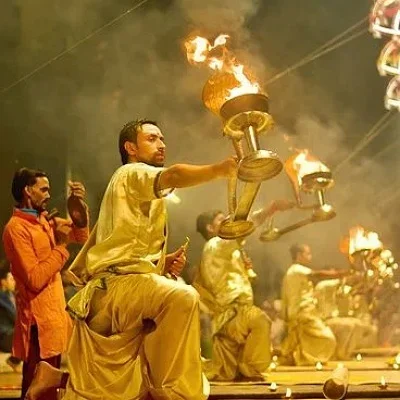
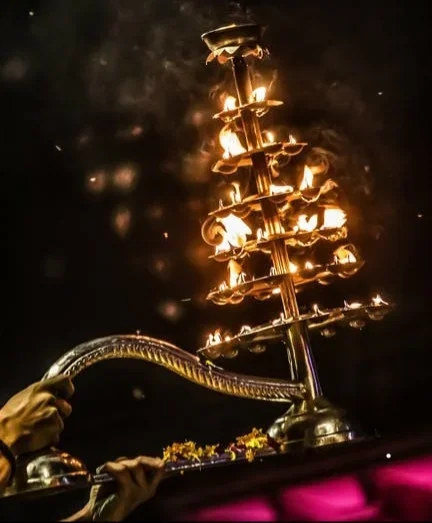
Hindu festivals are more than jubilant gatherings; they are reaffirmations of cosmological beliefs and ethical values that have guided society for millennia. During festivals such as Diwali and Durga Puja, households decorate with lights and incense, echoing ancient stories that illuminate spirituality, courage, and unity. These celebratory rituals reinforce communal cohesion, allowing diverse populations to share a collective experience that transcends social divisions. By celebrating common myths— the triumph of light over darkness, the victory of good over evil— Hindus reaffirm a worldview that nurtures moral conduct and social harmony.
The Role of Rituals in Hindu Festivals
Rituals are the keystones of Hindu festivals, acting as tangible links between the past and present. The meticulous preparation of Lakshmi puja, the offering of sweets, and the recitation of Vedic hymns are practiced in nearly every household, maintaining a consistent tradition that preserves liturgical knowledge. Scholars such as Dr. Saraswati R. Narayan (University of Chicago) emphasize that ritual fidelity preserves the textual authenticity of scriptures like the Vedas and Upanishads. In this context, festivals become living classrooms where generations learn liturgies, symbolism, and religious philosophy directly from elders.
Community Participation Sustains Hindu Festivals
One of the most powerful forces that preserve Hindu traditions is the collective participation of the community. During Holi, the color-splash festival, people gather to mark the arrival of spring; the event is as much about community solidarity as it is about spiritual symbolism. Community kitchens— known as annadanam— prepare food for the poor, thereby reinforcing the ethical principle of *daan*, or charity. This extensive social engagement encourages intergenerational volunteering, where elders instruct children in traditional cooking methods and ensure that culinary traditions remain intact.
- Diwali – Illuminating homes and hearts
- Holi – The festival of colors
- Durga Puja – Celebrating goddess strength
- Navaratri – Devotion through dance and music
- Pongal – Harvest gratitude
Each festival’s program—stories, hymns, and performances—offers a multifaceted platform for cultural preservation. These events reinforce the historic *samskara* practices, deeply rooting society in the ethos of ancient India.
Preserving Art, Music, and Cuisine in Hindu Festivals
Beyond rituals, Hindu festivals actively safeguard artistic expressions. Throughout Navaratri, the *tarangini*— traditional devotional songs— echo on the lips of countless devotees, preserving regional linguistic heritage. Classical dance forms such as Bharatanatyam and Kathak are showcased during festive openings, keeping the body memorised gestures of mythic narratives alive. The culinary traditions offered during festivals— *samosa*, *petha*, *jalebi*— are not mere delights; they are regionally specific recipes that bind diaspora communities to their ancestral roots. A recent UNESCO initiative, documented on UNESCO, recognises these intangible cultural assets as essential heritage, encouraging global appreciation and support.
Education is intertwined with these cultural activities. In state‑sponsored programs, schools replicate festival experiences: students prepare *puja* offerings, learn classical chants, and rehearse dance movements. These educational practices act as custodial mechanisms, allowing children to internalise cultural narratives first-hand, not just through textbooks.
Conclusion and Call to Action
In essence, Hindu festivals function as robust custodians of tradition, saturation–rich in religion, arts, community practice, and family life. By participating, observing, and celebrating these festivals, individuals uphold a living heritage that offers continuity, identity, and moral courage. These festivals continue to thrive because each generation hands over the sacred flame to the next, keeping the heart of India’s cultural independence alive.
Engage with Hindu festivals—whether you attend, study, or support online initiatives—and become a steward of enduring traditions. Explore more about these time‑keeping festivals and find ways to participate in this dynamic cultural heritage.
Frequently Asked Questions
Q1. Why are Hindu festivals important in preserving traditions?
Hindu festivals act as living repositories of myth, ritual, and collective memory, keeping ancient stories and values alive. They provide a platform for families to practice customs that have been passed down for millennia. Their public celebrations reinforce shared identity among diverse communities, fostering social cohesion.
Q2. How do rituals contribute to the continuity of Hindu festivals?
Rituals such as pujas, hymns, and offerings serve as tangible links between past and present, embodying precise liturgical instructions from scriptures. Practicing these rituals ensures accurate transmission of theological concepts and symbolic meanings. Where elders guide younger generations, the rituals become intergenerational classrooms that maintain textual and philosophical authenticity.
Q3. What role does community participation play in sustaining traditions?
Community involvement—from shared kitchens to public processions—turns personal devotion into collective experience. It encourages volunteers of all ages to exchange skills and stories, preserving culinary techniques, music, and art forms. By engaging everyone, festivals prevent tradition from becoming a solitary practice.
Q4. How do Hindu festivals promote cultural diversity and unity?
Festivals celebrate a wide array of regional practices while highlighting common themes such as the triumph of good over evil. The shared narratives and communal rituals provide a unified framework, yet they also allow local expressions like regional music or food to flourish. This balance nurtures both identity and solidarity across different groups.
Q5. What are ways a non‑Hindu can respectfully participate in Hindu festivals?
Non‑Hindus can attend public celebrations, observe customs, and learn the underlying stories with an open mind. Respectfully joining prayers, contributing to charitable efforts, or sharing suggested dishes demonstrates cultural appreciation. It is important to listen for cultural sensitivities, ask permission for participation, and avoid misrepresenting rituals.