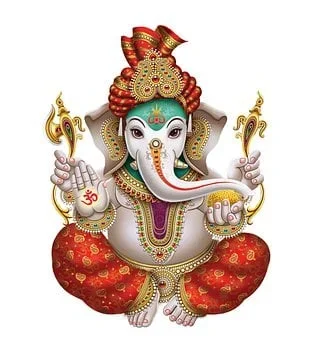
The Significance of Ganesha in Hindu Culture
In the vast and diverse spiritual landscape of Hinduism, Ganesha holds a uniquely beloved and universal place. Recognized instantly by his elephant head and gentle presence, Ganesha is worshipped as the remover of obstacles, the lord of wisdom, and the guardian of new beginnings.
From daily rituals in Indian households to grand public festivals, devotion to Ganesha transcends age, region, and tradition. His symbolism carries profound life lessons, making him not only a religious figure but also a timeless spiritual guide.
🕉️ Who is Lord Ganesha?
Ganesha, also known as Ganapati or Vinayaka, is the son of Shiva and Parvati. He is traditionally worshipped before all other deities at the start of any ritual or important task.
This practice reflects a powerful belief: before beginning anything in life, one must remove obstacles and seek clarity—qualities that Ganesha represents.
He is often depicted seated peacefully, holding symbolic objects, with a calm and compassionate expression that reassures devotees.
According to ancient Hindu mythology, Goddess Parvati created Ganesha using sandalwood paste and gave him life. She instructed him to guard her privacy while she bathed. When Lord Shiva returned and was denied entry by the young boy, a conflict arose.
In a moment of divine misunderstanding, Shiva beheaded Ganesha. Upon realizing that the boy was his own son, he restored him to life by placing an elephant’s head upon his body and blessed him with supreme importance among all gods.
This story carries deep symbolic meaning—highlighting transformation, forgiveness, and the importance of awareness.
Every part of Ganesha’s form represents valuable life lessons:
- Elephant Head 🐘 – Symbolizes wisdom, intelligence, and foresight
- Large Ears 👂 – Teach us to listen more and absorb knowledge
- Small Eyes 👁️ – Represent focus and attention to detail
- Long Trunk – Indicates adaptability and efficiency
- Broken Tusk – Reflects sacrifice and dedication to knowledge
- Big Belly – Represents acceptance of life’s experiences
- Mouse (Vehicle) – Symbolizes control over desires and ego
Together, these elements form a complete philosophy for balanced living.
📿 Spiritual Significance of Ganesha
🧠 1. Remover of Obstacles (Vighnaharta)
Ganesha is believed to clear both external and internal obstacles—fear, doubt, and confusion.
📚 2. God of Wisdom and Knowledge
Students, artists, and thinkers seek his blessings for creativity and intellectual growth.
🚀 3. Lord of Beginnings
Every auspicious event begins with his name, ensuring a smooth and successful journey.
🕊️ 4. Guide to Inner Peace
His calm demeanor teaches patience, mindfulness, and emotional balance.
The significance of Ganesha in Hindu culture goes far beyond rituals and mythology. He represents wisdom, balance, and the power to overcome life’s challenges with grace.
By understanding and embracing Ganesha’s symbolism, one can cultivate a life filled with clarity, success, and inner peace.
❓ Frequently Asked Questions (FAQs) About Lord Ganesha
1. Who is Ganesha in Hinduism?
Lord Ganesha is one of the most important deities in Hinduism, known as the remover of obstacles (Vighnaharta) and the god of wisdom, knowledge, and new beginnings. He is worshipped before starting any auspicious work.
2. Why is Ganesha worshipped first before other gods?
According to Hindu belief, Ganesha was granted a special blessing that he would be worshipped before any other deity. This ensures the removal of obstacles and smooth completion of tasks.
3. What is the significance of Ganesha’s elephant head?
The elephant head symbolizes intelligence, wisdom, and the ability to think big. It also represents strength combined with calmness—an ideal balance for a successful life.
4. What does Ganesha’s mouse (vahana) represent?
The mouse symbolizes human desires and ego. Ganesha riding the mouse signifies control over these desires, teaching us discipline and self-mastery.
5. What is the importance of Ganesh Chaturthi?
Ganesh Chaturthi is a major Hindu festival celebrating the birth of Lord Ganesha. It involves idol installation, पूजा (worship), devotional songs, and immersion rituals, symbolizing the cycle of creation and dissolution.
6. Can anyone worship Lord Ganesha daily?
Yes, Ganesha can be worshipped by anyone regardless of age or background. Simple prayers, chanting his name, or offering flowers and sweets are considered enough.
7. What are the benefits of worshipping Ganesha?
Worshipping Ganesha is believed to:
- Remove obstacles
- Improve focus and intelligence
- Bring prosperity and success
- Reduce stress and fear
- Promote inner peace