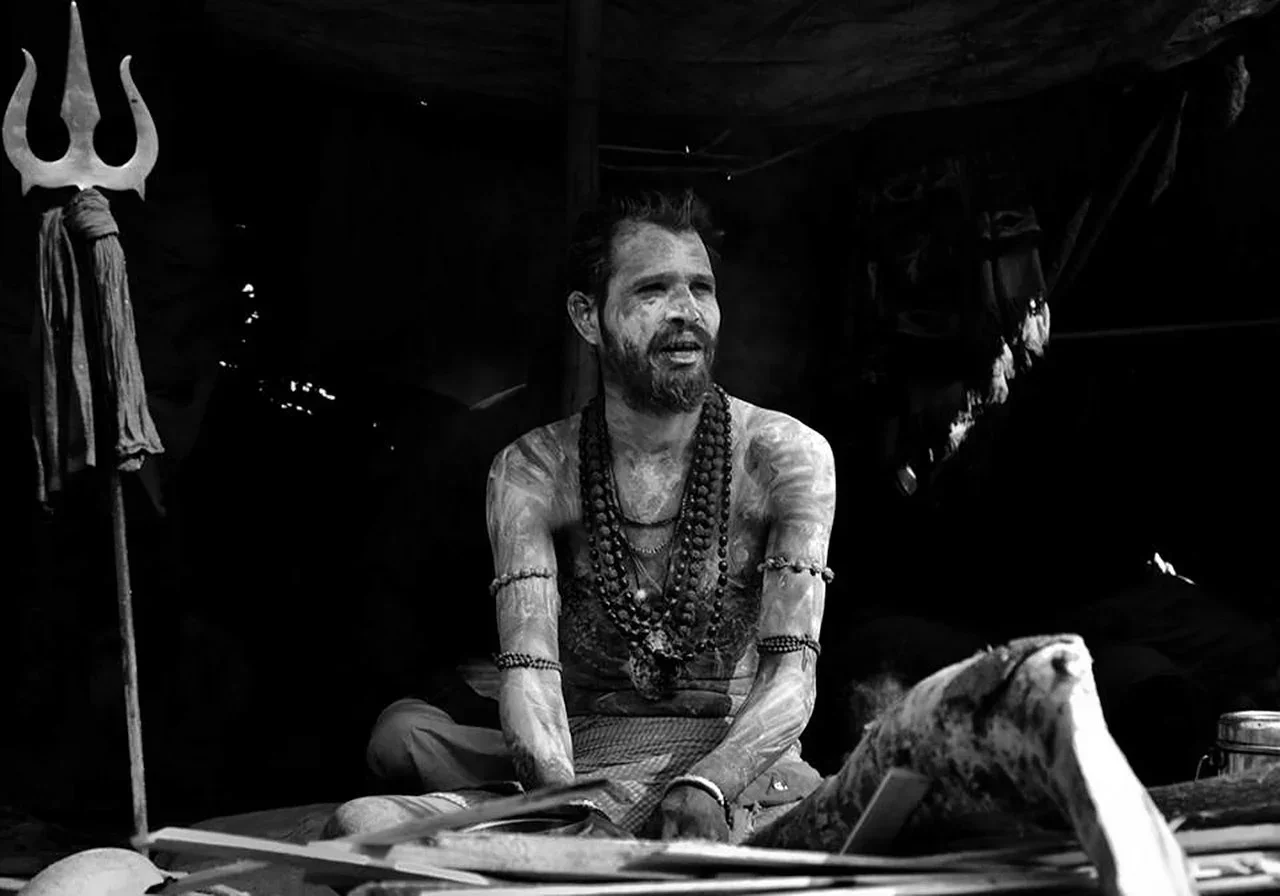
Bhairav Lord of Time
When the sun dips behind the Vindhya range and the sacred Ganges whispers tales of ancient generations, devotion to the enigmatic Bhairav—the revered Lord of Time and Kashi—holds a sway that resonates across centuries and cosmologies. Rooted in the tantric lattice of Vaishnava‑Shaivite confluence, Bhairav’s role as the merciless yet compassionate ruler of time embodies both destruction and reverence, ensuring that the eternal cycle of creation does not stagnate. Bhairava is not merely a demon but a divinity that structures the rhythm of existence, drawing spiritual seekers toward the crucible of knowledge found in Kashi.
Historical Roots: From Vedic Hymns to Tantric Legends
The name Bhairav finds echoes in Vedic hymns, designating a fearsome aspect of the divine that protects cosmic order. The medieval *Bhairava Tantra* further polished the iconography and philosophical underpinnings, blending Shaivism’s fierce iconography with Vaishnava devotion to Vishnu. Scholars tracing the diffusion of Bhairav across pilgrim networks identify his worship in the renowned Kashi temple complex where the *Kashi Vishwanath* shrine, dedicated to Shiva, stands as a crucible for tantric rites that claim to harness the divine for liberation. Britannica’s overview of Bhairava eloquently outlines this syncretic metamorphosis.
Bhairav as the Embodiment of Time (Kala)
Time, in Indian philosophy, is both a measured phenomenon and a metaphysical vector that governs Samsara. Bhairav’s iconography—often seen wielding a *mace* (gada) and encircled by skulls—symbolizes the ultimate dominion over mortality, signifying a mentor who bestows transformative time. The concept of *Kala* can be mapped onto the “trident of time,” described within the *Trishoola Tantra* as the three-pronged instrument (rise, decline, oblivion). This concept serves as an allegory for the practitioner’s passage through yoga and meditation toward moksha, a belief that in Kashi, Bhairav’s pleasure and penance become synaptic gates for enlightenment. Academic analysis of time metaphors offers insights into how ancient scriptures articulate bhairav’s temporal authority.
Rituals and Offerings in Kashi’s Sacred Geography
Each day in Kashi, shrines steeped in Bhairav’s presence endure a barrage of secretive rituals. Night‑time *Bhairav darshan* involves offerings of coconut, honey, and *tulasi* leaves, an expression of the devotee’s surrender to time’s inexorable march. According to local tradition, the *Kashi Mahamudra* ceremony—performed during the Paryushana season—choreographs the passage of hours, guiding pilgrims from mere transitory presence toward cosmic certainty. These rituals resonate with the *Kasturi Dhanush* kahani, in which the meropened bow of Bhairav unbound the cosmic *kala* to cleanse the energies of the city. The venerable *Yagya* offered at the Kashi University’s heritage centers showcases how Bhairav’s worship remains intertwined with the urban identity of the city.
Iconographic Particularities and Symbolic Motifs
- Gada (mace) symbolizes the breaking of egoary links.
- Sun‑eclipse visage indicates an all‑seeing, omniscient attribute.
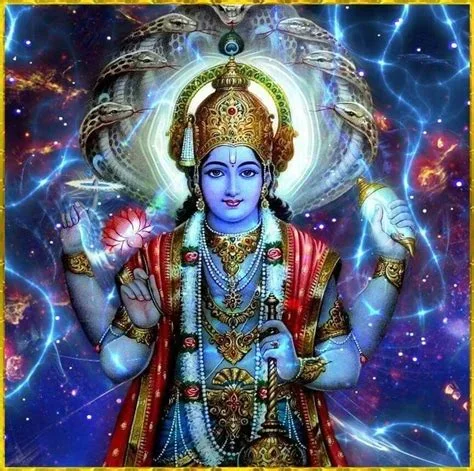
- Six arms, each holding a signifying object, reflect the six facets of time (past, present, future, space, cause, effect).
- Skulls and bells signify the transience of material desire.
Philosophical Significance: Link with Vishnu and Samadhi
Bhāirav’s worship in Kashi finds theoretical consonance with the concept of *Samādhi*, where consciousness transcends physical boundaries. In the *Bhagavata Purāṇa*, Vishnu’s avatar “Bhairav” is portrayed as a compacted representation of *Chakravartin*, thereby linking him to the King of the Age—one who’s timeless in nature. Scholars note the dualistic nature of Bhairav: he is simultaneously *śānti* (peace) and *dīpa* (light), the lighthouse guiding pilgrims through time’s labyrinth. In practice, the *Siddha Yoga* tradition employs Bhairav’s energy to break the time lock, enabling practitioners to see beyond linear chronology to the permanent reality of the Self. Wisdom Library’s treatise on tantric time illuminates these pathways.
Bhairav’s Cultural Imprint on Modern Kashi Life
While the ancient chants echo through hallowed halls, modern-day Kashi remains a vibrant testament to Bhairav’s lasting influence. From the daily *kāḍi* (wrathful chanting) in the evening prayer sessions to the revival of ‘Bhairav Mela,’ local artisans craft lotus‑mined idol replicas that become street‑market icons. In the digital era, the local *Bhairav* hosting of educational podcasts—often titled “Chronicles of the Time Deity”—recommends that believers integrate ancient wisdom with contemporary science, thereby bridging disciplines. These cultural manifestations assure that Kashi’s narrative remains live and unsullied by time’s erosion.
Social Outreach and Time‑Based Wellness Initiatives
Recently, the National Geographic exploration of Indian rituals highlighted how Bhairav’s doctrine inspires community-centric time‑management programs. Neighborhood councils publish weekly schedules aligning developmental projects with Bhairav’s cosmic time cycle, thereby ensuring that the dignity of every citizen is observed within the rhythm of divine timing. This seamless blend of spirituality, societal accountability, and millisecond‑level efficiency showcases a living theology embodying Bhairav’s eternal watch.
Practical Path for Modern Seekers: Meditative Time Alignment
Spirit seekers of today, clutching rot‑ting schedules, can draw from Bhairav’s lessons:
- Pause the relentless clock; practice the 4‑minute *sky eye* meditation, mirroring the cosmic Karya that Bhairav espouses.
- Adopt a *Sankalp* (resolve) daily: declare a specific intention that outlasts the fleeting hour.
- Celebrate the “Divine Hour” by writing down three moments of gratitude before sleep, creating a personal monument to time’s sacredness.
Conclusion: Embodying the Divine Chronology of Bhairav
As you stand at the banks of the Ganges, inhale silence, and feel time’s pulse, remember that Bhairav—aStart your journey now: rewrite your personal calendar to honor the cycles of Bhairav—sacred time, infinite potential.
Frequently Asked Questions
Q1. Who is Bhairav Lord of Time in Hindu mythology?
Bhairav, also known as Bhairava, is a fierce aspect of Shiva who embodies the cosmic principle of time. He is revered as the merciless yet compassionate ruler who governs the cycles of creation and dissolution. In Kashi, his worship links Shaiva and Vaishnavite traditions, symbolizing the unity of cosmic forces. Devotees believe he safeguards the cosmic order and offers liberation through his temporal mastery. This combination of fearlessness and benevolence makes Bhairav a unique deity in Hindu lore.
Q2. What are the main rituals performed for Bhairav in Kashi?
In Kashi, the primary ritual is the nightly Bhairav darshan where devotees present coconut, honey, and tulasi leaves. The Kashi Mahamudra ceremony, observed during Paryushana, choreographs the passage of hours. Pilgrims also perform Yagya at the university’s heritage center to honor his presence. Many temples incorporate thunderous chanting and offering of incense to create a sacred ambience. These practices reflect the belief that Bhairav’s energy dissolves material attachment and aligns seekers with cosmic timing.
Q3. How does Bhairav influence modern practices in Kashi?
Modern Kashi blends ancient rituals with contemporary initiatives, such as community time-management programs inspired by Bhairav’s cosmic cycle. Local artisans produce Bhairav Mela idol replicas that feature in street markets and festivals. Educational podcasts titled ‘Chronicles of the Time Deity’ blend ancient wisdom with scientific concepts, promoting holistic learning. NGOs collaborate with temple authorities to launch wellness initiatives that stress aligning personal schedules with divine timing. This synthesis demonstrates how Bhairav’s teachings remain relevant and adaptable.
Q4. What is the symbolic meaning of Bhairav’s iconography with six arms and skulls?
The six arms represent the six facets of time – past, present, future, space, cause, and effect – illustrating his comprehensive dominion. Each arm holds a symbolic object that signifies stages of spiritual evolution. Skulls emphasize the impermanence of physical form and serve as a reminder of mortality. Bells attached to skulls symbolize the awakening of consciousness. Together, the iconography urges seekers to confront ego and seize control over time.
Q5. How can seekers practice meditative alignment with Bhairav’s temporal energy?
Seekers can begin with a 4‑minute sky eye meditation that mirrors cosmic consciousness. Each day they set a Sankalp, a resolve that outlasts fleeting hours, reinforcing intent. By documenting three moments of gratitude before sleep, individuals create a personal sanctuary of time. These simple practices help align personal rhythm with Bhairav’s eternal cadence. Regular practice can foster peace and spiritual progress.