Saraswati Symbol of Pure Knowledge
When the murmur of a river of learning echoes through temples, monasteries, and classrooms, the name that often rises with reverence is Saraswati. In the vast tapestry of Indian mythology, she is not just a goddess but the embodiment of pure, unadulterated knowledge—whether it be rational thought, spiritual wisdom, or artistic mastery. Her image, carrying a veena, a rosary, and an open book, is a universal symbol for the intellectual pursuits that nurture society. Through an exploration of her iconography, her presence in ancient texts, and her relevance in contemporary education, we uncover why Saraswati remains a cornerstone of learning across cultures.
Saraswati: Symbolic Elements and Representation
- Veena (Saraswati’s Musical Instrument): The veena signifies the harmonious balance of sound and intellect. Musicians consider her guidance essential for creative expression that transcends the ordinary.
- Swaddhana (Saraswati’s Yoni): Representing the creative seed, it underscores the genesis of ideas and innovation.
- Books and Scrolls: The open book on her lap demonstrates that learning is an ever-expanding frontier.
- Lotus Pose: Sitting cross‑legged on a lotus flower, she illustrates purity, detachment, and the cultivation of inner wisdom.
- The Rosary (Japa Mala): It symbolizes disciplined study and meditative repetition—key in mastering complex subjects.
The combination of these attributes creates a holistic visual narrative: prayerful study, disciplined practice, and the joy of creative output—all hallmarks of what it means to possess pure knowledge. When scholars observe the pulse of science or artists feel a sudden inspiration, they often attribute that moment to the blessings of Saraswati.
Saraswati in Vedic Texts: From Hymns to Philosophical Discourse
Her origins trace back to the Rigveda, one of the earliest oral traditions of the Indian subcontinent. Here, Saraswati is invoked as the divine source of poetic language and divine wisdom (RigVeda). Subsequent Vedic literature and the Puranas elaborate on her role as the consort of Brahma, the creator, reinforcing her link to the cosmic flow of knowledge. The Brahmapurusha text even describes her as the patterning force that gives density to thought and transforms abstract potential into tangible insight.
Beyond Vedic hymns, the Vaiseshika Sutra debates the limits of perception, while the Nyaya Sutra discusses inference—both embodiments of critical thinking that reverence Saraswati. Thus, across centuries, the goddess becomes a living metonym for rigorous intellectual inquiry. When students open a philosophy textbook or a scientific journal, they participate in a lineage that acknowledges the divine facilitator of understanding.
Her Role in Educational Practices: Rites, Rituals, and Pedagogy
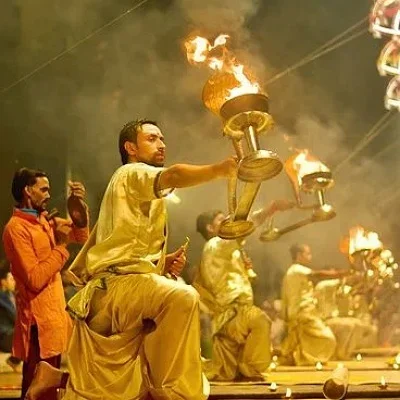
Centuries after the ancient hymns were composed, temples built around rituals to honor Saraswati continue to influence pedagogy. The most iconic of these is Vasant Panchami, celebrated by students, educators, and artists across India. Schools light lamps, offer flowers, and perform the quaint “saraswati puja” each new academic year—an act that sets the psychological tone for disciplined learning.
- Learning Spaces: Classrooms that mirror the lotus, incorporating natural light, and non‑cluttered design echo the goddess’s attributes.
- Assessment Culture: Encouraging self‑reflection (likened to the rosary) over merely scoring achievements.
- Creative Arts Integration: Treating the veena, painting, or sculpture as gateways to deeper conceptual understanding.
- Mindfulness Practices: Integrating short meditation sessions that mirror the contemplative aspects of Saraswati, fostering neuroplasticity.
Academic institutions such as the University of Calcutta announce new semester orientations with a short “Saraswati puja.” This symbolic act is paralleled by prominent universities worldwide, who create knowledge repositories (e.g., the digital libraries of the Britannica). By weaving this deity’s reverence into modern pedagogy, educators honor the continuum of learning that transcends time and geography.
Contemporary Significance and Global Reach: Diversity, Technology, and Social Justice
In an age where knowledge has become a digital frontier,
Moreover, Saraswati’s symbolism extends beyond the academic. In social justice movements, her representation of clarity and truth is used to challenge misinformation. Activists create visual narratives using her iconography to promote transparency and truth‑seeking—an evolution that keeps the goddess relevant in contemporary discourse.
In many diaspora communities, the goddess’s worship is a cultural anchor, often linked to maintaining linguistic heritage. It is not uncommon for Indian-American schools to incorporate Vasant Panchami celebrations as community outreach, reinforcing cultural literacy among the youth.
Conclusion: Embrace the Purity of Knowledge
From the lyrical hymns of the Rigveda to the bustling lecture halls of today, Saraswati remains the quintessential symbol of pure knowledge—an ever‑present guide for those who seek to understand, create, and transform the world. By honoring her symbolism, engaging with her teachings, and embedding her values into modern educational practices, we cultivate environments where curiosity thrives, critical thinking is cherished, and wisdom extends beyond the confines of classrooms.
Embark on your own intellectual journey today. Visit our Khan Academy for free courses that align with the spirit of Saraswati, or explore our community-driven study circles that echo the vibrancy of her musical heritage. Let the pure knowledge of the ages guide yours, now and always.
Frequently Asked Questions
Q1. What is Saraswati?
Saraswati is the Hindu goddess of knowledge, music, art, and wisdom. She is traditionally depicted holding a veena, a book, and a rosary, embodying intellectual and creative pursuits.
Q2. What are the symbols associated with Saraswati?
The primary symbols include the veena (musical instrument), a lotus (purity), an open book (learning), a rosary (meditation), and sometimes a river or bird, all representing different facets of knowledge and creativity.
Q3. How is Saraswati celebrated in educational settings?
Students and teachers perform Saraswati puja on Vasant Panchami, light lamps, and pray for focus. Institutions also incorporate her symbolism into classroom design, mindfulness practices, and assessment culture.
Q4. What role does Saraswati play in modern digital education?
Digital platforms like Khan Academy use her imagery in campaigns such as the “Saraswati Open Library,” promoting free, multilingual learning. Her principles guide user interfaces that prioritize accessibility and knowledge sharing.
Q5. How does Saraswati influence cultural identity?
In diaspora communities, celebrating Vasant Panchami preserves linguistic and cultural heritage. Her iconography is used in social justice movements to promote truth, transparency, and empowered education.