Ganesh Mantras Unlock Mental Clarity
Creating a calm, focused mind is often the first step toward overcoming life’s obstacles. When we experience mental blocks—those stubborn barriers that block clarity, creativity, and confidence—turning to ancient spiritual practices can gently reset our mental circuitry. Among these practices, Ganesh Mantras stand out for their renowned power in dissolving mental fatigue and self‑doubt, allowing seekers to navigate challenges with fresh insight.
Understanding Ganesh: The Elephant‑Headed Gatekeeper of Wisdom
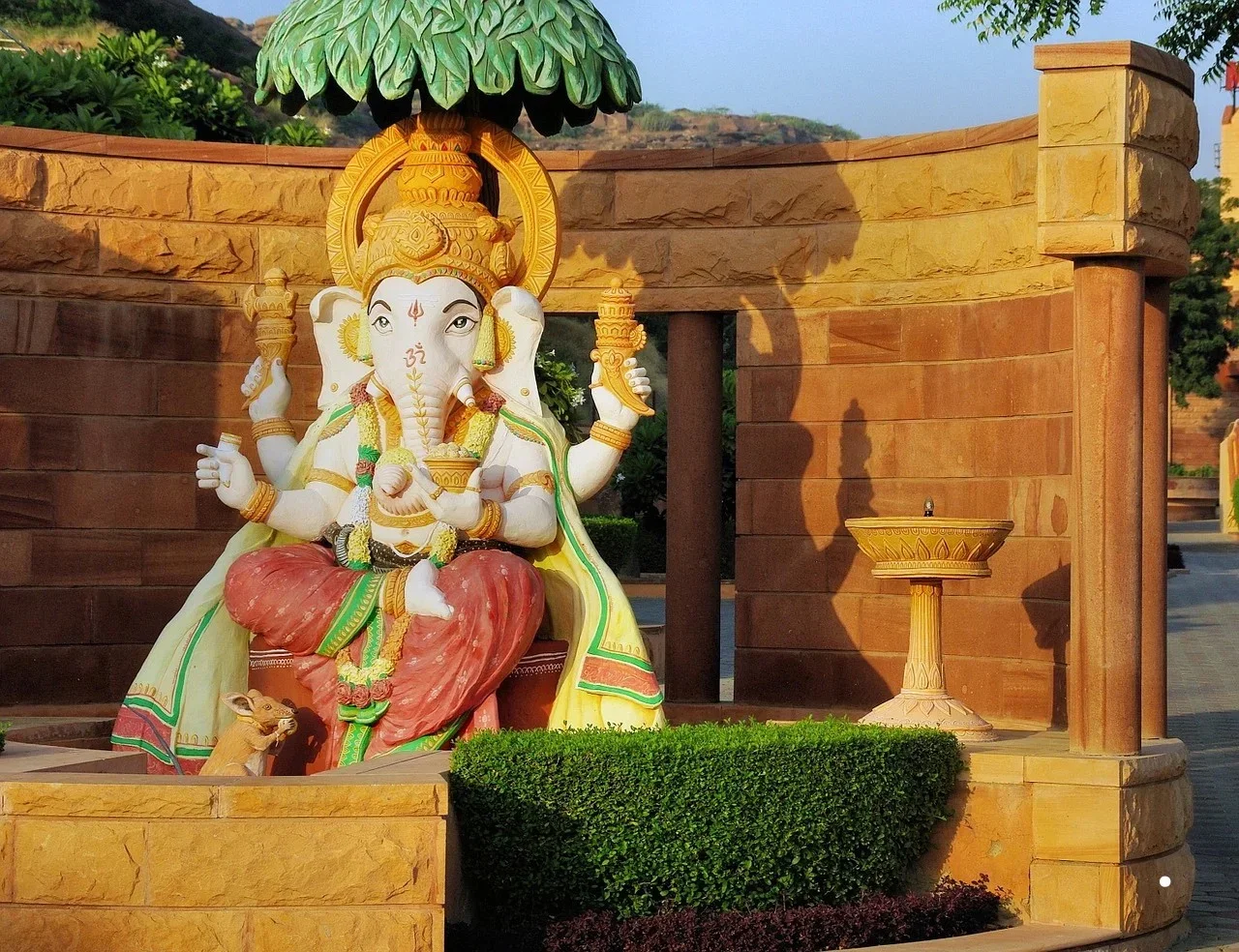
Lord Ganesha, depicted with an elephant’s head, is the revered Hindu deity celebrated for removing obstacles. The cultural narrative places him at every threshold—spiritual, intellectual, and practical—making his mantras a natural choice for clearing mental blockages.
According to scholarly research on Hindu iconography, Ganesha’s symbolic attributes—such as the single trunk (representing focused knowledge) and the pot belly (symbolizing abundance)—underscore his role as a catalyst for mental liberation. See the Wikipedia entry on Ganesha for a comprehensive overview of his mythological significance.
Why Mantras Aid Mental Clarity
Mantras act as sonic anchors, creating rhythmic patterns that stabilize brain waves. A study on mantra meditation in the National Center for Biotechnology Information found that repeated vocalization of sacred sounds can shift the brain from a predominance of beta waves (associated with stress) to increased alpha waves, enhancing relaxation and problem‑solving capacity.
When deliberately focused, a mantra helps break the chaotic auto‑talk loop that often fuels mental blocks. This deliberate repetition triggers a physiological response known as the parasympathetic nervous system activation, which calms the mind and opens up pathways for creative insight.
Top Ganesh Mantras to Release Mental Obstacles
The most popular Ganesh Mantra, Om Gan Ganapataye Namaha, is frequently cited as the first line of defense against mental paralysis. However, more context‑specific chants can amplify their effect. Below is a succinct yet powerful list of five mantras tailored to erasing mental barriers:
- Om Gan Ganapataye Namaha – A universal mantra for obstacle removal and clarity.
- Om Vakratunda Swaha – A chant that dissolves thinking obstacles and encourages confident decision‑making.
- Om Isha Pavani Surabhi Patitam – Invokes the soothing presence of Ganesh to soothe anxious thoughts.
- Om Shreem Viboho Saram – Focuses on releasing limiting beliefs and revitalizing inner wisdom.
- Om Shri Ganapataye Mahaman nohattera – A high‑frequency mantra that stimulates the root chakra, promoting stability and self‑belief.
Reciting each mantra for five minutes, preferably in the morning or before a task that feels mentally heavy, yields cumulative benefits that accumulate over weeks.
Integrating Ganesh Mantras Into Daily Mental Health Routines
While singling out during meditation is effective, blending Ganesh Mantras into everyday life can sustain long‑term mental clearing. Consider these practical, evidence‑based strategies:
- Morning Anchoring – Begin your day by chanting one mantra while breathing deeply. A quiet hush of 30 seconds can set a stress‑free tone for the day.
- Mindful Pause – Whenever you feel overwhelmed, pause for 5 seconds and silently repeat Otto pertaining to Ganesh’s name; this serves as a micro‑reset.
- Vision Board Alignment – Write your goals near a Ganesha idol or a printed sacred image, reciting “Om Gan Ganapataye Namaha” before visualizing each goal.
- Post‑Work De‑Stressing – Use the chant during a quick 10‑minute evening meditation to transition from occupational overload into restful sleep.
Embedding these practices does not require a strict schedule. Consistency over time—such as an average of 10–15 minutes per day—produces measurable shifts in self‑efficacy and reduced rumination.
Scientific Backing: How Ganesan Mantras Strengthen Cognitive Flexibility
Empirical evidence from psychology underscores how rhythmic vocalization, akin to Ganesh Mantras, enhances cognitive flexibility—the mental ability to switch between thoughts, perspectives, and problem‑solving strategies. The American Psychological Association provides extensive research on mindfulness practices promoting flexiable cognition.
The National Mental Health Institute’s guidelines also recognize chanting and mantra meditation as part of holistic coping strategies for symptoms of depression, stress, and burnout. NIH (NIMH) explores the therapeutic role of sound patterns in mental health interventions.
Common Misconceptions About Ganesh Mantras
While many praise the mystical quality of Ganesan chants, a few myths can hinder their benefit:
- “It works only for Hindus.” Reality: The mantra’s vibrational energy transcends cultural boundaries, benefiting anyone willing to engage in focused repetition.
- “Only powerful gods can resolve problems.” Reality: These chants are tools, not guarantees; personal effort and healthy practices preserve their potency.
- “Chanting must be loud.” Reality: Even whispered or silently repeated mantras have measurable impacts on brain waves.
By adopting a realistic view, seekers can integrate the chant into a broader toolkit that includes therapy, exercise, and nutritional support.
Practical Recitation Guide: Step‑by‑Step for Beginners
Below is a concise tutorial that pairs the mantra “Om Gan Ganapataye Namaha” with mindfulness breathing.
- Find a Quiet Spot – Sit comfortably, feet grounded, spine straight.
- Close Your Eyes – Take 3 deep breaths, inhale through nose, exhale through mouth.
- Vocalize the Mantra – Chant “Om Gan Ganapataye Namaha” softly on the exhale, allowing a 1‑to‑2‑second pause in between syllables.
- Count the Beats – Aim for five repetitions per breath cycle; revisit the mantra with each cycle.
- Repeat Consistently – Commit to at least 5 minutes daily; progress to 10 minutes as comfort grows.
As you create this habit, you’ll notice reduced racing thoughts, a lighter mental load, and a clearer sense of purpose.
Concluding Reflections: Let These Mantras Reset Your Mind
When mental blocks feel like an unyielding wall, the ancient practice of chanting Ganesh Mantras offers a time‑tested path to inner freedom. By incorporating these mantras into daily routines, aligning them with modern science on mindfulness, and embracing them as a tool rather than a magic fix, you can create a durable mental ally that supports your goals and elevates overall well‑being. Begin today, and *unlock a mindset that moves effortlessly forward*.
Ready to experience clarity now? Join our free webinar on Mantra‑Based Cognitive Transformation, and take the first step toward removing mental blocks for good.
Frequently Asked Questions
Q1. How do Ganesh Mantras help reduce mental blocks?
Ganesh Mantras serve as sonic anchors that create rhythmic patterns in the brain, shifting the dominant brain wave activity from high‑stress beta waves to calming alpha waves. This shift activates the parasympathetic nervous system, helping to quiet the chaotic internal dialogue that often forms mental barriers. The repetition of sacred sounds also reinforces neural pathways related to focus and flexibility, allowing the mind to move past stagnant thoughts.
Q2. Can non‑Hindus benefit from chanting these mantras?
Yes. The vibrational energy of the mantra is universal; anyone who engages in focused, repeated chanting gains the same neurological benefits. People from diverse backgrounds have reported clearer thinking and reduced anxiety after incorporating these chants into their routines.
Q3. How long should I chant Ganesh Mantras daily?
Starting with five minutes of focused chanting each day is sufficient to notice early benefits. Consistency is more important than duration, so aim for 10–15 minutes of practice spread throughout the day if possible. Over time, you can increase the time gradually if you wish.
Q4. Do I need to vocalize the mantras loudly, or can I repeat them silently?
Both auditory and silent repetition produce measurable positive effects on brain waves. Whispered or mental chanting activates the same neural mechanisms as loud chanting, though louder chanting may amplify the vibrational influence for some practitioners.
Q5. Are there particular mantras that target creativity or decision‑making?
Mantras such as “Om Vakratunda Swaha” are specifically cited for dissolving thinking obstacles and encouraging confident decision‑making, while “Om Shreem Viboho Saram” can help release limiting beliefs that stifle creativity. Pairing these with mindful breathing amplifies their impact.