Lord Ganesha Worship Order Explained
When a new venture or project takes shape, people traditionally begin by invoking Lord Ganesha, the remover of obstacles and the god of beginnings. This custom is not merely ritualistic; it reflects centuries of theological insight, societal norms, and practical wisdom embedded in the cultural fabric of India and beyond. Understanding why Lord Ganesha is worshipped first offers a window into the way ancient practices shape daily life and community rituals today.
Symbolic Significance of Ganesha’s Forms
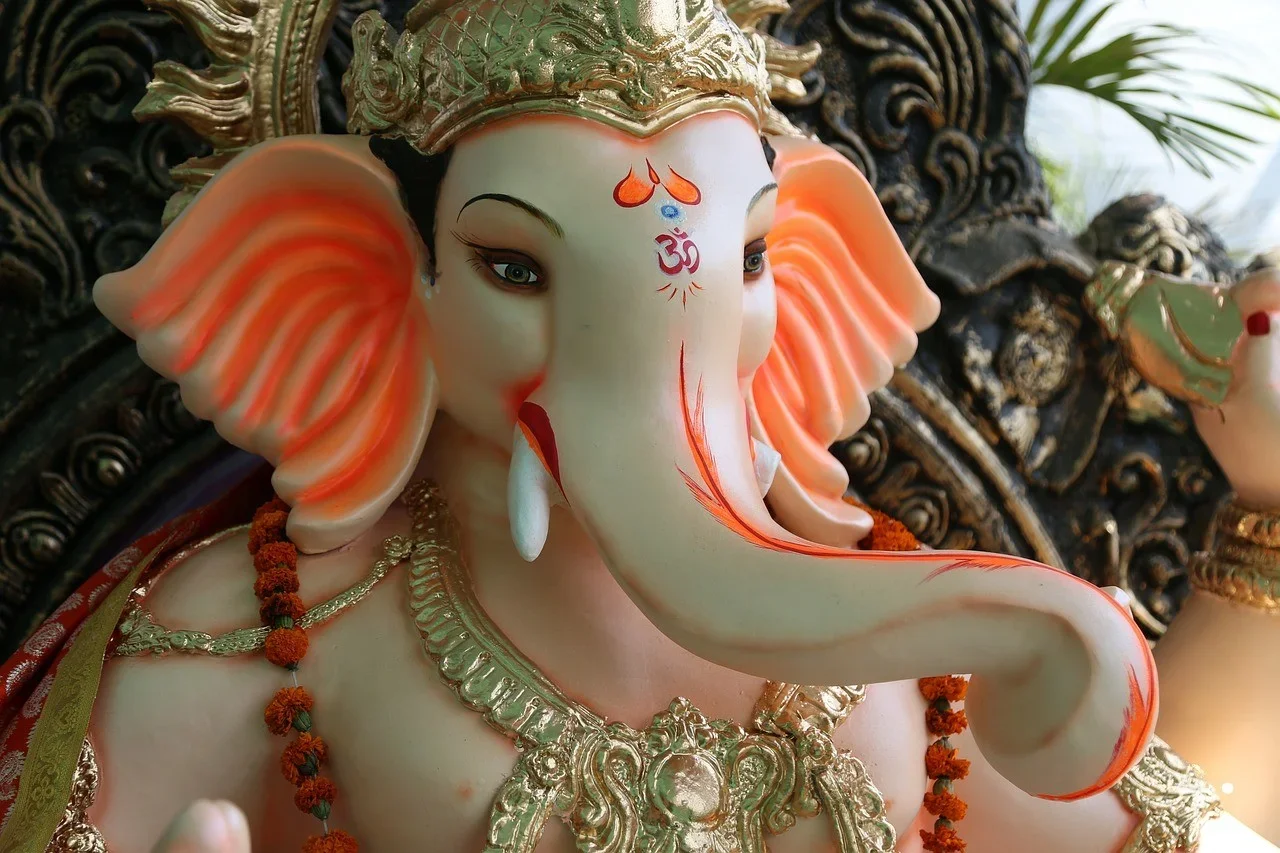
Ganesha’s multi‑limbed, elephant‑headed form carries an array of symbolic meanings that directly address the need for a smooth start. The elephant head represents intellect and the ability to navigate past hindrances, while the large ears suggest that the deity listens to prayers. The pot belly symbolizes abundance and sustenance, resonating with the desire to secure prosperity. In practice, devotees point to these characteristics when lighting a lamp or offering sweets, thus reaffirming the concept that a firm foundation is built upon clear thought, attentive listening, and a generous spirit.
Cultural Practices: Starting Ceremonies and Rituals
Across the sub‑continent, the sequence of a ritual involves multiple layers of symbolization. The “Ganesha puja” is almost always the first act performed at a wedding, a household renovation, a business launch, or even a simple household kitchen remodel. The act of worshiping Lord Ganesha first serves a dual purpose: it sets a tone of reverence and declares a clear intention that subsequent steps will heed divine guidance. Traditional scripts preserve the ordering
- 1. Offer “pindas” – symbolic offerings of rice and jaggery
- 2. Recite the Ganapati mantra, “Om Ganeshaya Namah”
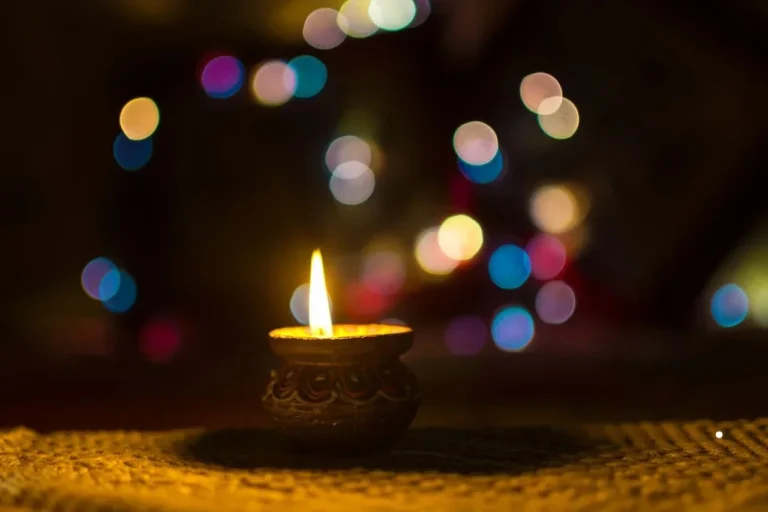
- 3. Light a diyā (oil lamp) in the presence of a statue or idol
- 4. Invoke the deity for the removal of internal and external obstacles
- 5. Proceed to the primary activity with blessings from Ganesha
The stepwise progression reflects an approach where success depends on the removal of hindrances before new intentions are fully pursued.
Historical Roots & Scriptural References
The earliest textual evidence linking Lord Ganesha with beginnings comes from the Tripura Rahasya and later from the many Puranic texts. The ancient Sanskrit composition “Ganesha mythology” specifically emphasizes his role as the first lord to whom people turn before any significant enterprise. Scholars note that the presence of Ganesha in the cosmic order (the “devas”) is associated with change and positive transformation. Modern research published in the Journal of Hindu Studies confirms that early temples flanked their sanctuaries with an icon of Ganesha to ensure procedural order and sanctity during various rites.
Practical Reasons: Minimizing Obstacles in Daily Life
From an everyday standpoint, invoking Lord Ganesha first is akin to setting a safety check before a flight. Hindu architecture typically places an icon of Ganesha in a doorway (the “ganesh swastik”), symbolizing his watchful presence over every threshold. This placement reflects a psychological design: one is reminded before passing through a threshold that there is a divine guard against misfortune, bad decisions, and distorted intentions. Pedagogical studies in religious psychology support the idea that ritualistic starting points foster a sense of control and reduces anxiety about the unknown.
Modern Adoption & Global Spread
In today’s secular context, the ritual of beginning a new endeavour with Ganesha worship has transcended boundaries. In multinational companies, startup founders often hold an informal “Ganesha session” before angel funding proposals or product launches. This practice reinforces team cohesion, conveys an institutional respect for tradition, and taps into a shared belief in symbolic preparation. Moreover, in diaspora communities, the ritual helps preserve cultural identity while navigating integration in new societies. The popularity of Ganesha bracelets, stickers, and neon signs in Western cities illustrates the broader appeal of the “starter god” concept.
Conclusion: Begin with Faith and Intention
When you set a new goal in motion, reverence for Lord Ganesha isn’t merely a ceremonial ornament. It is a time‑tested framework that encourages foresight, clarity, and support from a divine perspective. By beginning with devotion, you weave intention into concrete action, minimizing obstacles and maximizing the likelihood of sustained success. Let this sacred tradition guide your next step; seek the wisdom of Lord Ganesha and allow every venture to flourish under his benevolent watch.
Ready to start your journey with confidence? Explore more about Lord Ganesha’s teachings here and join our community of seekers today!
Frequently Asked Questions
Q1. Why is Lord Ganesha worshipped first in rituals?
Lord Ganesha is considered the remover of obstacles and the lord of new beginnings. By invoking him at the start, devotees seek his blessings to remove any hindrances that might arise during the venture or ceremony. This sets a reverent tone and ensures divine guidance throughout the process.
Q2. What are the main symbolic elements of Ganesha’s form?
His elephant head symbolizes intellect and the ability to navigate challenges, the large ears indicate attentive listening, and the pot belly represents abundance and nourishment. Each aspect reflects the qualities needed for a successful and harmonious start.
Q3. How does Ganesha worship affect everyday life?
Placing Ganesha near doorways and entrances serves as a protective ward against misfortune, encouraging calm and confidence as one moves through thresholds. The ritual also reinforces a mental checklist, helping individuals stay focused and minimize unnecessary anxiety.
Q4. What are the common steps in a Ganesha puja?
Typically, devotees offer pindas, recite the Ganapati mantra “Om Ganeshaya Namah”, light a diyā, invoke the deity’s removal of obstacles, and finally proceed with the main activity under his blessings. This sequence embodies preparation before action.
Q5. How has Ganesha worship spread worldwide?
In contemporary settings, multinational teams hold “Ganesha sessions” before product launches, and diaspora communities maintain the custom to preserve cultural identity. Merchandises such as bracelets and signage popularizing the “starter god” concept further extend the reach.