Spiritual Significance of Kailash Parvat
In the heart of the lofty Himalayas stands a peak that has captured the imagination of millions of seekers for centuries. Kailash Parvat, commonly known as Mount Kailash, is not merely a geological formation but a living symbol of divine energy, spiritual aspiration, and cultural reverence. Whether you are a pilgrim tracing the ancient pilgrimage routes, a scholar examining the mountain’s mythic symbolism, or simply an enthusiast drawn by tales of mystical power, understanding the layers of meaning that surround this sacred summit is essential. In this article, we delve deep into the spiritual significance of Kailash Parvat from the perspective of Hinduism, Buddhism, Jainism, and Bon, and reveal how its geography intertwines with legends, rituals, and pilgrimage practices worldwide.
Kailash Parvat as Sacred Mount
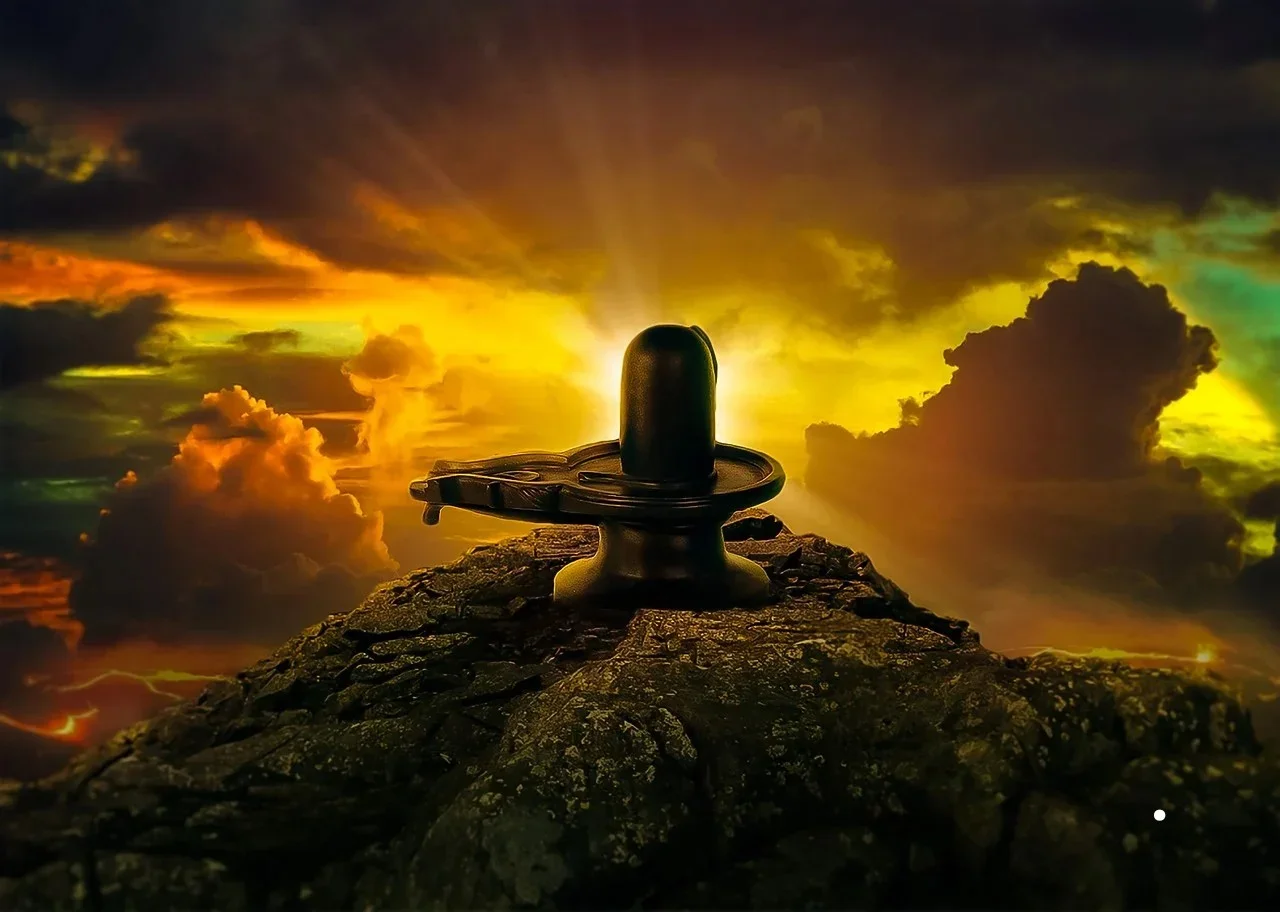
For many, Kailash Parvat is the cosmic axis mundi— the center that unites heaven and earth. In Hindu cosmology, it is the dwelling place of Lord Shiva, the destroyer and transformer, and is also revered as the cosmic mountain where divine energies converge. The mountain’s massive, snow-laden presence on the border of Tibet and China is mirrored in the 24,000‑year-old canvas of devotion that has evolved into an enduring pilgrimage tradition across four major religions. Mount Kailash is recognized by practitioners as an embodiment of both the physical and metaphysical worlds.
Historical Pilgrimage Routes to Kailash Parvat
From the earliest Sanskrit scriptures to contemporary trekking guides, the routes to Kailash Parvat have evolved but retain a core essence of challenging introspection and communal devotion. Pilgrims—known as Kailash yatra—traverse from various starting points: the Kashyap route in Tibet, the Dehar, Karnali, and Indra routes in Nepal, and the Manna, Si, and Sarpangay pilgrimages from Indian borders. Regardless of the path, each route illustrates a step closer to spiritual liberation amidst harsh climate and rugged terrain. The 300‑plus kilometer trek that culminates at the summit or the symbolic circumambulatory circuit of the inner lake, known as Tachu or Lake Khangrila, is regarded as a spiritual oath that unites body, mind, and spirit.
Mythic Symbolism of Kailash Parvat in Hinduism
Within the Hindu epic and Puranic texts, Kailash Parvat is called Shivapuri because it is the earthly abode of Lord Shiva. The mountain’s seven peaks are believed to represent the seven realms or transfigurations of the cosmos. Pilgrims perform the Shivadarshana rite—circumambulating the four cardinal directions, touching each face of the mountain, and offering incense—to ensure health, prosperity, and spiritual clemency. The legend of the milk river, Nadi, flowing from the summit further accentuates the mountain’s purifying power. In the Shivapurana, the story tells how Parvati confirms her devotion to Shiva by scaling the mountain in disguise, underscoring the theme that true devotion transcends physical form.
- Purifying Lake Tachu (Nadi) – believed to release one’s sins.
- Seven Peaks – symbolic of human emotions and cosmic energies.
- Four‑Cardinal Circumambulation – spiritual symmetry with the universe.
- Ritual offerings of incense and flowers – appeasing Shiva’s energy.
The Sacred Geography and Mountain Lore of Kailash Parvat
Geographically, Kailash Parvat rests in the Transhimalayan chain, straddling the Takung‑La Pass boundary between India’s Ladakh region and Tibet. Its perennial snow cap may lead some to view it as a silent guardian, yet geological research suggests a multi‑layered composition of limestone and shale spanning millions of years. The mountain’s hypostatic tetrahedron shape, bordered by the Cat’s Eye, the Outer Lake, and the Unexplored Valley, invites interpretations that go beyond literal architecture. Researchers from the National Geographic have documented the unique glacial phenomenon of “ice umbrellas” that form along its slopes, symbolizing nature’s portal to the spiritual realm.
For Bon and Jain traditions, the mountain’s untouched snow is a key element of reverence, aligning with the religious ethos of maintaining purity in all aspects of life. This consistency across doctrines cements Kailash Parvat as a transcendent symbol that respects both the distinctologies of faith and the universal desire for enlightenment.
Contemporary Pilgrims: Challenges & Spiritual Growth
Today, thousands of pilgrims, including foreigners, complete the arduous trek each year. Modern issues—such as environmental conservation, visa requirements, and ethical tourism—also appear in the discourse surrounding Kailash Parvat. Spiritual guides emphasize that the pilgrimage is less a physical conquest and more an inward voyage, where the ascetic practice of breathing and silence becomes the ultimate discipline. Health advisories issued by Himalayan research institutes advise acclimatization protocols, encouraging pilgrims to harmonize their bodies with the high altitude, thereby preventing altitude sickness—a practice that aligns with the principle of bodily respect taught in Ayurveda.
Key Takeaways for Modern Seekers
- Respect the local traditions and acquire permits in advance.
- Adhere to Leave‑No‑Trace principles to protect the fragile ecosystem.
- Prioritize mental and physical preparation: guided meditation, breathing exercises, and gradual altitude adaptation.
- Join a reputable group or hire a licensed guide familiar with pilgrimage etiquette.
Conclusion: Embrace the Sacred Journey of Kailash Parvat
The mountain that has inspired countless hymns, pilgrimages and philosophical treatises is more than an iconic peak; it is a living testament to the human search for transcendence. Whether you physically walk its silent paths or spiritually traverse its symbolic layers, Kailash Parvat offers a powerful reminder that the journey toward inner peace is as demanding, beautiful, and transformative as the ascent itself. Embrace the sacred, connect with the community of seekers, and allow the whispers of this ancient mountain to guide you to the heart of true enlightenment. Plan your pilgrimage today and step towards a renewed sense of purpose, reverence, and inner clarity.
Frequently Asked Questions
Q1. What is the spiritual significance of Kailash Parvat across religions?
Kailash Parvat is revered as the axis mundi linking heaven and earth in Hinduism, the center of the universe in Buddhism, the sacred land of Parshvanath in Jainism, and a protectrice of nature in Bon. It symbolizes purity, transcendence, and a gateway to Nirvana for all faithful.
Q2. How many pilgrimage routes are there to Kailash Parvat?
Traditionally five main routes are documented: the Kashyap route from Tibet, the Dehar, Karnali, and Indra routes from Nepal, and the opening Manna‑Si‑Sarpangay trek from the Indian border. Each offers a unique spiritual and geographical experience.
Q3. Why is Kailash Parvat considered a sacred axis mundi?
Its geological prominence and perpetual snow cap create a timeless, divine landmark. In cosmic symbolism it stands at the center of creation, embodying the unity of the macrocosm and microcosm, and serving as a powerful focus for mantra and meditation.
Q4. What precautions should modern pilgrims take when visiting Kailash Parvat?
Pilgrims must secure permits, follow Leave‑No‑Trace protocols, acclimatise gradually, stay hydrated, and respect local customs. Guided tours with licensed experts help prevent altitude sickness and protect the fragile ecology.
Q5. How does the geography of Kailash Parvat influence its mythic symbolism?
The mountain’s six‑fold hexagonal shape, its surrounding lake Tachu, and the glacial ice‑umbrella phenomenon tie it to cosmic geometry, water purification, and the union of earth and sky—elements that reinforce its mythic narrative across cultures.