Symbolic Meaning Trishul Damru
From the earliest Vedic hymns to the vibrant temple murals of southern India, symbols serve as silent narrators of faith, philosophy, and cosmic order. In Hindu cosmology, three particular icons—Trishul, Damru, and the Third Eye—encapsulate essential metaphysical truths. Their intertwined symbolism reflects the dynamic forces of creation, preservation, and dissolution, while also offering personal guidance for seekers of inner wisdom. Understanding the symbolic meaning of these powerful artifacts can illuminate not only traditional practice but also contemporary meditative and devotional paths.
Symbolic Meaning of the Trishul
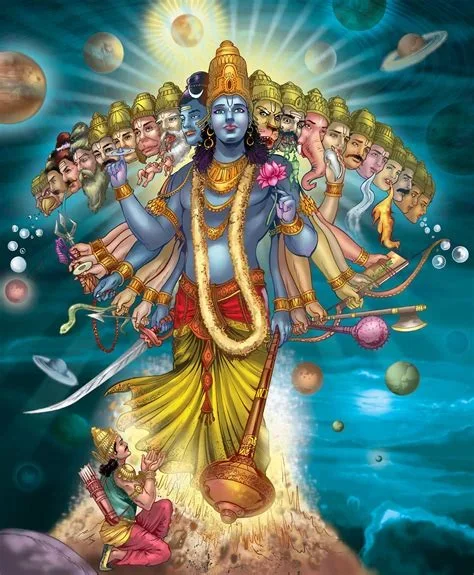
The Trishul, or trident, is a trident-shaped weapon associated most famously with the deity Shiva. Though its origins date back to the Rig Veda, where it appears as a cosmic spear, it has evolved to embody multiple layers of symbolic meaning. At its most literal, the Trishul represents the triune nature of divine power—creation (Brahma), preservation (Vishnu), and destruction (Shiva) — as each prong mirrors a cosmic function Trident.
The deeper spiritual narrative claims that each prong aligns with a fundamental human dimension: the body, the mind, and the spirit. Within the cosmic interplay of Shiva’s Nataraja dance, the Trishul governs the rhythmic cycle of time, echoing the symmetry of the universe’s expanding and contracting folds. The weapon’s shape also directly references the lotus, an emblem of purity and spiritual awakening, reminding devotees that ego (the sword’s point) and degeneration (the ends) are both integral to transcendence.
Throughout India, the Trishul is not only a weapon but a sacred object for worship. Statues of Shiva often hold a Trishul, and devotees circumambulate it before seeking blessings of liberation (moksha). Scholars note its placement in temple architecture as a directional cue to balancing energies within prayer spaces, reinforcing the symbolic meaning that the trident anchors the spiritual center of the soul and the cosmos alike Britannica‑Trident.
Symbolic Meaning of the Damru
The Damru, a small double-headed drum, accompanies every form of sacred chanting and rhythmic meditation. Its name, derived from the Sanskrit word for “smooth” or “soft,” hints at the seamless dialogue between sound (or mantra) and consciousness. But the Damru’s physical construction carries profound symbolic meaning that complements the Trishul’s martial imagery.
Each drumhead represents a yin–yang pair, one speaking (representing the spoken word) and the other listening (representing inner silence). When struck, the resonant vibrations are said to stir primordial energy (shakti), initiating a cycle of creation that mirrors the Trishul’s triune functions. In addition, the drum’s central pin—known as the “kira”—represents the axis mundi, linking the divining world with the underworld, it thus acts as a conduit for blessing and protection.
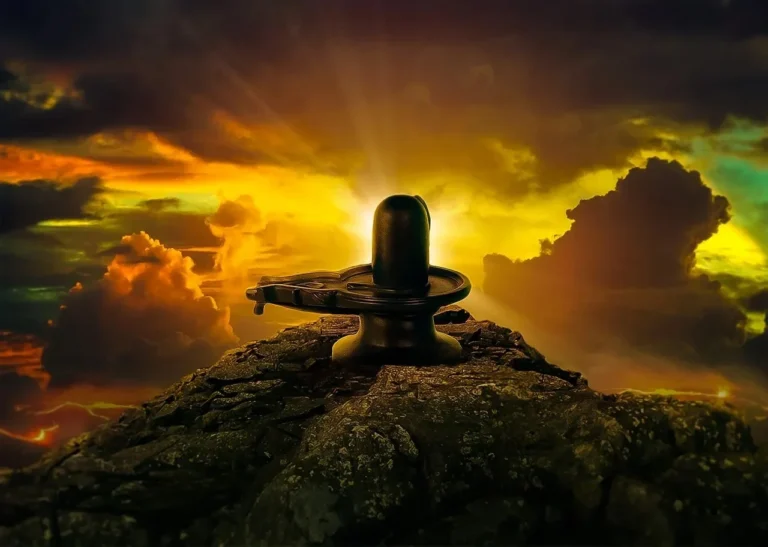
Devotees clang the Damru during puja to announce the presence of Shivling—a symbol of divine generative force—further amplifying the symbolic meaning by integrating sound with form. The drum’s vibration is traditionally believed to synchronize the devotee’s heart rhythms with cosmic pulses, promoting a state of balanced duality. Modern scholars link the Damru’s rhythmic patterns to early Vedic chants, allowing practitioners to synchronize their breath, thereby bringing clarity to their meditative practice Damru Wikipedia.
Symbolic Meaning of the Third Eye
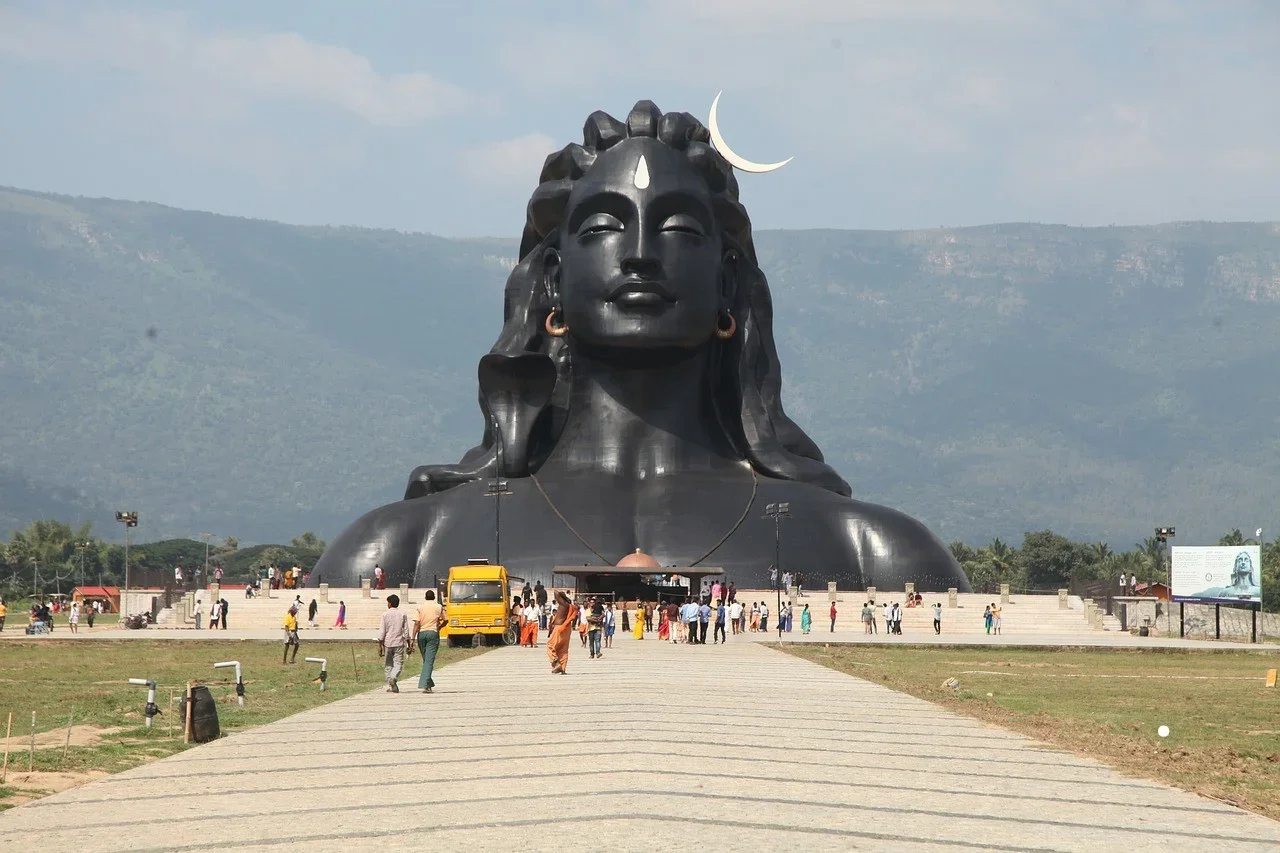
Beyond the trident’s and drum’s earthly symbolism, the Third Eye—Shiv’s inner eye—encapsulates symbolic meaning on a metaphysical plane. Located on the forehead between the two primary eyes, the Third Eye metaphorically opens to the unseen realm of hidden truth, intuition, and cosmic insight. It is an icon of pure consciousness, the ultimate vista where the mind transcends ordinary perception.
When modern science considers light‑based states of perception, neurologists link the experience of seeing the Third Eye to the activation of the pineal gland, a small endocrine organ that secretes melatonin. Yet the symbolic meaning of this trait lingers in ancient texts, which emphasize that unlocking the Third Eye purifies the soul, as Siddhas (spiritual masters) often proclaim they achieved infinite understanding after “opening” it. This symbolism aligns closely with contemporary mindfulness practices, where heightened awareness is cultivated to ease mental clutter and external distractions.
The Third Eye also embodies the process of self‑illumination. In scriptural narratives, Shiva’s tri‑headed gaze is a reminder that as one navigates cosmic functions—creation, preservation, destruction—, an enlightened seeker must observe events without bias, understanding that all states are temporary and fluid. The tie between the eye’s symbol and the All‑Seeing nature of consciousness places the Third Eye squarely into the symbolic meaning of self‑discovery Third Eye Wikipedia.
Symbolic Meaning of Their Unified Energy
While each artifact carries powerful independent symbolism, their combination evokes a holistic vision of spiritual well‑being. Visualize the T-shaped Trishul behind a divine figure, the rhythmic pulse of the Damru in front, and the dot of the Third Eye illuminating a path ahead. Together, they form a triad that strikes a reverberating resonance across the consciousness of the devotee. The Trishul stirs the inner dynamic field, the Damru harmonizes the external vibration, and the Third Eye offers a window to higher insight. This unity exemplifies the symbolic meaning inherent in many sacred rituals: that through integrated practice—solidities, vibrations, and vision—spiritual fruition is achieved.
Modern practitioners find that these symbols inspire new modalities of practice. For example, a meditation routine might begin with chanting (Damru symbolism), proceed by visualizing the trident’s trinity to align mental focus, and culminate in a brief, silent period to invite the Third Eye’s awareness. The symbolic meaning merges mindful intent and scientific insight, offering a credible framework for achieving neuroplastic changes and enduring emotional stability Scientific Study.
- Trident (Trishul): Embodies cosmic forces of creation, preservation, and destruction.
- Damru: Synchronizes breath, sound, and movement to cultivate harmonic consciousness.
- Third Eye: Represents the gateway to higher intuition and inner clarity.
- Unified Application: Merges these elements for balanced spiritual, mental, and physical growth.
Layered Interpretation across Cultures
In a global religious context, you’ll see parallels that deepen the symbolic meaning. For instance, the Chinese trident shape (ren‑qi) conveys harmony between wind, water, and fire—elements central to Taoist cosmology. Likewise, the Japanese “kōdan” drum used in Zen sōtō temples echoes the Damru’s sonic role in calming trapped thought patterns. The convergence across traditions underscores the universal appeal of these symbols as tools for expressing human consciousness.
Contemporary Relevance
The symbolic meaning of Trishul, Damru, and Third Eye is not confined to temples or ancient manuscripts. Many wellness schools incorporate their metaphors into yoga propriety, mindfulness retreats, and neuro‑aesthetic research dedicated to grounding human experience. By referencing reputable sources, practitioners can apply these symbols within a verified framework that supports resilience, emotional well‑being, and clarity of purpose.
Exploring their symbolic meaning provides not only insight into Hindu mythology but also equips modern seekers with tangible tools to adopt guided practice. Whether you incorporate a trident-shaped meditation stack or drum circles into your daily routine, you harness an age‑old tradition that resonates through the subconscious mind.
Take the next step: Dive into the symbolic meaning of Trishul, Damru, and Third Eye today—transform your practice, ignite your inner vision, and unlock balanced living. Start your journey with a simple visual mandala, access guided drumming sessions, or explore our curated resource library.
Frequently Asked Questions
Q1. What does the Trishul symbolize in Hindu mythology?
The Trishul is the trident of Shiva and represents the triune cosmic forces of creation, preservation and destruction. It also symbolizes the body, mind and spirit and is a reminder of the balance required for spiritual liberation. Its three prongs echo the sacred syllable and the rhythmic cycle of the universe.
Q2. How is the Damru used during worship and meditation?
The small double‑headed drum is struck to produce vibrations that align breath with mantra. It serves as a sonic conduit for shakti, the creative energy that animates all existence. In puja, the sound announces the presence of the divine and invites the devotee into a state of receptive awareness.
Q3. What is the significance of the Third Eye in relation to Trishul and Damru?
The Third Eye is the inner sensory point that perceives reality beyond the physical. It aligns with the Trishul’s tri‑aspect and the Damru’s dual heads to emphasize a holistic union of sight, sound and action in the quest for self‑illumination.
Q4. Can the symbolism of Trishul, Damru and Third Eye be applied to modern meditation practices?
Yes—modern practitioners use the trident’s symbolism to visualise balance, the drum to synchronise pulse and breath, and the Third Eye to cultivate heightened awareness. Combined, they provide a framework for neuro‑plastic change and emotional stability.
Q5. Are there comparable symbols in other cultures that share similar meanings?
Indeed, the Chinese trident shape and Japanese “kōdan” drum share parallels in representing harmony, duality and rhythmic guidance, underscoring the universal appeal of these ancient symbols.