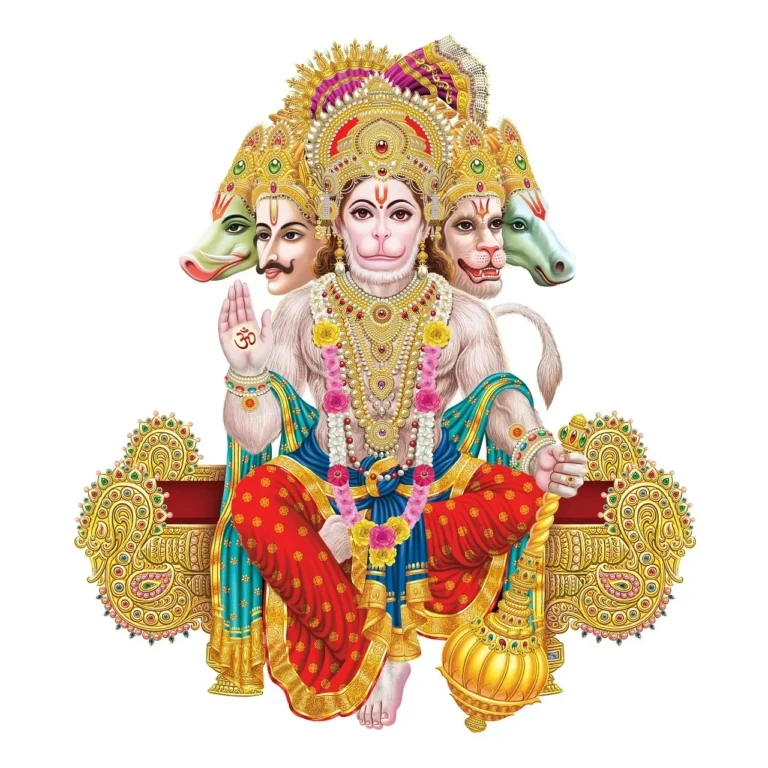
Mind‑Body Link in Om Namah Shivaya Mantra
Om Namah Shivaya is more than a chant; it is a rhythmic gateway that invites the mind, body, and karma into harmony. Rooted in Sanskrit, the mantra translates to “I bow to Shiva,” acknowledging the divine spark within each person. From centuries of Vedic traditions to modern mindfulness practices, chanting Om Namah Shivaya has been credited with unlocking profound psychological serenity, physiological balance, and ethical living. Whether you are a seasoned yogi or a curious newcomer, this mantra offers a structured pathway for self‑transformation that blends ancient wisdom with contemporary science.
The Mind‑Body Link in Om Namah Shivaya
When you chant Om Namah Shivaya, the rhythm of the syllables activates the brain’s default mode network, the region responsible for restful meditation and self‑reflection. According to a study by the National Institutes of Health (NIH), repeated mantra practice can reduce cortisol levels and promote a sense of calm, thereby lowering anxiety and depression scores. The vibrational pattern “Om” is believed to resonate with the brain’s electrical frequency, creating a calming effect that slows heart rate and improves focus.
- Improved Attention: Mantra repetition trains the brain to maintain a single point of attention.
- Reduced Stress: Cortisol hormone levels drop with regular practice.
- Enhanced Creativity: A peaceful mind allows ideas to flow more freely.
- Greater Self‑Awareness: Persistent chanting fosters introspection and emotional regulation.
Physical Health Benefits: The Body’s Response to the Mantra
Beyond the mental calm, chanting Om Namah Shivaya triggers physiological responses that benefit the entire body. Breath synchrony, a core element of mantra chanting, activates the parasympathetic nervous system, leading to lowered blood pressure and heart rate. One meta‑analysis available on NIH journal articles notes that mindful breathing can enhance immune function.
Moreover, the repetitive sound engages the vagus nerve, which is linked to pain modulation and inflammation control. Regular practitioners report reduced chronic pain symptoms and improved sleep quality, as the body’s self‑repair mechanisms are stimulated through deep, rhythmic breathing. In a comparative study published on the Britannica health section, researchers found that people who practiced mantra meditation exhibited stronger arterial elasticity than those who did not.
Shaping Karma: Ethical Action Through Chanting
Karma, the Sanskrit term for action and its consequences, is an integral component of the philosophical underpinning of Om Namah Shivaya. By aligning the mind and body with the mantra, practitioners are more inclined to act with intention, compassion, and integrity. The mantra acts as a mental anchor that reminds you of the interconnectedness of all beings, encouraging you to choose actions that promote collective well‑being. As outlined in the Shivaism entry on Wikipedia, Shiva himself represents both destruction and creation; the chant thus invites the destruction of harmful patterns and the creation of wholesome, positive karma.
Incorporating the mantra into daily life—morning routines, work breaks, or bedtime—reinforces mindful choices. The repeated affirmative phrase “Om Namah Shivaya” acts as a continual reminder to uphold ethical values, reinforcing moral virtue that ripples outward into community interactions and societal governance.
Integrating Om Namah Shivaya Into Modern Life
Bridging ancient practice and modern lifestyle is increasingly achievable through technology and flexible routines. YogaJournal provides guided audio sessions that incorporate the mantra for beginners. For those with tight schedules, a 5‑minute chant during a commute or lunch break can offer a mental reset.
A balanced approach to integrating Om Namah Shivaya might look like this:
- Morning Anchoring (5 minutes): Start your day with a few rounds of chanting while inhaling deep breaths.
- Work Pause (2 minutes): Midway through the day, close your eyes, take a breath, and hum Om, allowing mind‑body sync to sharpen focus.
- Evening Reflection (10 minutes): Before bed, chant while reflecting on acts of kindness and gratitude.
The mantra can also be paired with specific yoga asanas. For instance, performing Tadasana (Mountain Pose) while chanting engages the voice boxes and spine, reinforcing the mind‑body link. Advanced yogis often combine chanting with pranayama, the breath control practice, to deepen the effect.
Rising on the Waves of Karma: Long‑Term Transformation
When Om Namah Shivaya becomes a daily practice, its cumulative effects ripple outward far beyond the individual. The mantric vibration, harmonized breath, and ethical living form a feedback loop that elevates consciousness. Over time, practitioners often report increased patience, reduced reactivity, and a stronger sense of purpose—all hallmarks of high karma leadership. Studies in psychological resilience echo these findings, showing that individuals who regularly engage in contemplative practices exhibit higher coping ability during stress.
Take the First Step: Embark on Your Chanting Journey
Ready to awaken your mind, body, and karma through Om Namah Shivaya? Begin today by setting aside five minutes each morning to chant the mantra with a focus on your breath. As the vibrations settle, allow yourself to feel the subtle shift in energy— mind clarity, bodily ease, and a rekindled sense of purpose.
Explore More Resources—discover guided chanting sessions, yoga sequences, and articles on mindful living to support your journey.
Embrace the mantra, transform your life—start chanting Om Namah Shivaya now and witness the synchrony of mind, body, and karma unfold.
Frequently Asked Questions
Q1. What does “Om Namah Shivaya” mean?
“Om Namah Shivaya” is a Sanskrit mantra meaning “I bow to Shiva.” It honors the divine spirit within every individual, connecting practitioners to inner wisdom, compassion, and transformative energy. The chant is used to invoke Shiva’s qualities of creation, preservation, and dissolution, fostering self‑renewal and liberation. Chanting this mantra invites a sense of reverence, humility, and deep connection with the universal consciousness.
Q2. How can I incorporate the mantra into my daily routine?
Start with a brief morning chant of 3–5 minutes, focusing on breath and vibration. During work breaks, set a timer for 2 minutes to inhale deeply, chant, and exhale slowly, allowing your mind to reset. End the day with a 10‑minute bedtime session that integrates gratitude or positive affirmations while chanting. Consistency, rather than length, yields the most profound benefits over time.
Q3. Does chanting reduce stress and anxiety?
Yes. Scientific studies, including research from the National Institutes of Health, show that regular mantra practice lowers cortisol levels and activates the parasympathetic nervous system, reducing physiological stress markers. The rhythmic syllable “Om” helps slow heart rate and improve focus, creating a calming effect that mitigates anxiety and depressive symptoms. Regular practice also enhances emotional regulation and fosters a stable, resilient mindset.
Q4. Can the mantra improve my physical health?
Research indicates that chanting engages the vagus nerve and stimulates immune function through breath synchronization. Many practitioners report lower blood pressure, improved sleep quality, and decreased chronic pain due to the body’s self‑repair mechanisms. A meta‑analysis of mindfulness breathing found increases in arterial elasticity, suggesting cardiovascular benefits from regular mantra meditation.
Q5. How does Om Namah Shivaya influence ethical behavior?
The mantra serves as a continual reminder of interconnectedness and responsibility, aligning intention with action. By anchoring the mind in compassion and integrity, practitioners are more likely to act with kindness, mindfulness, and positive karma formation. Over time, this creates a ripple effect, enhancing community relations and societal well‑being.