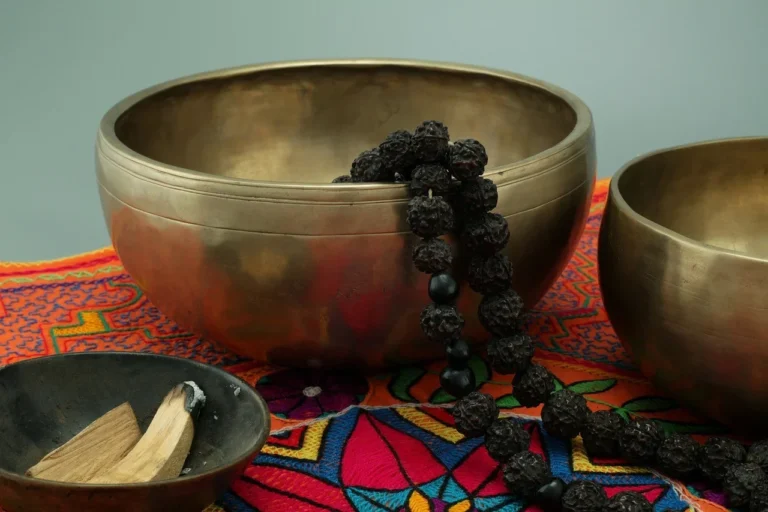
Mantras for Modern Stress
In the whirlwind of a modern life—brimming with digital notifications, endless meetings, and the constant pressure to perform—many people turn to meditation as a refuge. Yet within the broader practice of meditation lies a specific, often underutilized tool: the mantra. A “mantra” is defined as a sound, word, or phrase repeated to aid concentration; the term is rooted in ancient Sanskrit traditions but has found relevance in contemporary neuroscience and therapy. By weaving mantras into their daily routine, busy professionals, students, and caregivers alike can achieve measurable reductions in physiological stress markers and gains in emotional resilience. Research published by the American Psychological Association reveals that structured mantra recitation can lower cortisol levels and improve heart rate variability, core indicators of stress regulation. Thus, embracing mantras offers a scientifically grounded, culturally neutral approach to counteracting stress in our hyper‑connected age.
Mantras and Neuroscience: How Repeating Sound Reshapes the Brain
Modern neuroscience has begun to map the brain’s response to mantra repetition. Studies using functional MRI show increased activity in the anterior cingulate cortex—a region linked to attention and emotion regulation—when subjects chant a simple phrase such as “Om” or “peace.” This activation correlates with decreased activity in the amygdala, the neural hub of the fight‑or‑flight response. In short, chanting a mantra can shift the body from a state of heightened alertness into one of calm focus.
For individuals seeking stress relief but uncertain about meditation, the mantra’s rhythmic nature offers a bridge. Unlike free‑form mindfulness, which requires sustained active attention, mantra chanting provides a repetitive anchor that many find easier to maintain. By using the mantra as a mental cue, the brain can enter an optimized state of relaxation—often described by psychologists at the American Psychological Association in its guide to stress management.
Choosing the Right Mantra for Your Lifestyle
There is no universal mantra that works for everyone; the key lies in personal resonance. When selecting a mantra, consider:
- Length: Short phrases (two to three syllables) are easier to repeat during brief work breaks.
- Simplicity: Avoid complex or obscure terms that require memorization; the mantra should feel natural.
- Meaning: Choose words that evoke calm, gratitude, or empowerment—for example, “so‑so” (meaning complete peace in Sanskrit) or “amiga” (friend in Spanish).
- Recitation Style: Decide whether you prefer spoken repetition, silent internal monologue, or even humming—each has unique physiological effects.
Health experts at the National Institute of Mental Health emphasize that the mantra’s phonological simplicity enhances its soothing effect, regardless of the language chosen.
Integrating Mantra Practice Into a Busy Day
Many modern workers dismiss meditation as a time‑consuming luxury. Incorporating a mantra mitigates this perception by allowing short, focused bursts of intentional silence.
Try the following micro‑rituals:
- Morning Anchor: Set an alarm 10 minutes after waking. On the first ring, pause, breathe, and repeat your chosen mantra silently for two minutes.
- Commute Calm: As you travel, hum your mantra softly—this turns passive travel moments into micro‑meditation.
- Lunch Break Reset: During a five‑minute lunch cell, sit with your phone in the “do not disturb” mode, close your eyes, and chant in your mind until the urge to check email fades.
- Before Bed Buffer: Recite the mantra for a minute before contact with screens to ease the transition into sleep, improving sleep quality.
These short intervals collectively provide continuous stress relief over a full workday, a strategy supported by the World Health Organization’s guidelines on workplace mental health.
Mantras Versus Conventional Therapies: Complementary Benefits
Although mindfulness‑based cognitive therapy and pharmacology remain staples in mental health treatment, mantras can serve as an adjunct, especially for patients seeking “self‑care” methods that require minimal external resources.
Clinical trials cited in the MedlinePlus summary demonstrate that patients practicing mantra meditation for 20 minutes daily exhibit significant reductions in depression and anxiety scores compared to controls who only received standard counseling.
Critically, mantras require no specialized training, financial investment, or physical space, making them an inclusive stress‑management strategy aligned with evidence‑based psychophysiology.
Conclusion: Harnessing Mantras for Sustainable Calm
In an era where stress can feel relentless, the humble mantra offers a practical, scientifically validated antidote that blends ancient wisdom with modern science. By understanding the neurological underpinnings, selecting a mantra that resonates personally, and integrating brief recitations into everyday routines, anyone can reclaim calm and heighten mental resilience.
So why let the nonstop demands of the modern world dominate your well‑being? Embrace mantra practice today and experience the shift from reactive to restorative living.
Discover how Mantras can transform your daily life—start your journey today!
Frequently Asked Questions
Q1. What exactly is a mantra and how does it differ from normal meditation?
A mantra is a specific sound, word, or phrase that is repeated deliberately to focus the mind. Unlike open‑ended meditation, which often requires conscious observation of thoughts, mantra meditation provides a fixed anchor that helps anchor attention and reduce wandering. Neuroscience shows that repeating a mantra activates attention‑regulating regions while suppressing the stress‑linked amygdala, offering a clear physiological pathway to calm.
Q2. How often should I practice the mantra to see benefits?
Research indicates that even brief, daily sessions can help. A 10‑minute morning chant or five minutes during lunch can lower cortisol levels and improve heart rate variability. Consistency matters more than length; aim for regular micro‑rituals throughout the day.
Q3. Can I choose my own words or should I use traditional Sanskrit mantras like “Om”?
You can choose any word that feels personal and simple. The key is phonological simplicity and emotional resonance—think “peace”, “so‑so”, or even a comforting nickname. Studies show that the language itself is less important than the rhythmic quality and the meaning it conveys to you.
Q4. Does chanting a mantra work for people with no spiritual background?
Absolutely. Mantras are a neutral tool; they don’t require any spiritual commitment. The repetitive sound simply serves as a mental cue to reset attention, making it an accessible self‑care technique for anyone.
Q5. How does mantra meditation compare with other stress‑management therapies?
Clinical trials show that mantra practice provides similar reductions in depression and anxiety scores compared to standard counseling when done for 20 minutes daily. It is especially useful as an adjunct to therapy because it’s inexpensive, requires no special space, and can be integrated into busy schedules.