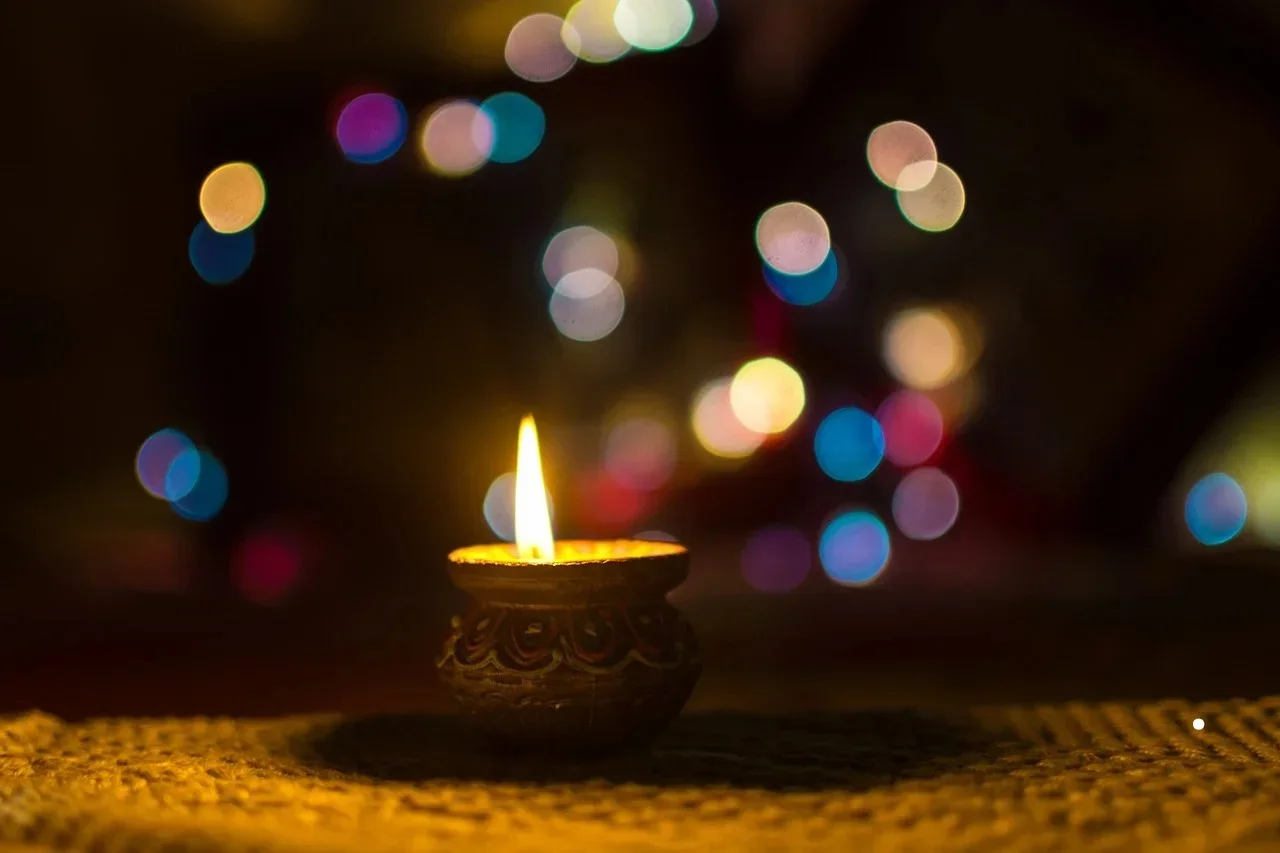
Lighting a Diya Spiritual Significance
Lighting a Diya is more than a simple act of illumination; it is a profound ritual that connects history, faith, and community. The flickering flame of a tiny clay lamp guides prayers, marks milestones, and invites calm into everyday life. Across India and beyond, the tradition of lighting a Diya is deeply embedded in cultural celebrations, spiritual practices, and even modern wellness trends. In this post, we explore the layers of meaning behind this ancient custom and show how you can weave its light into your own life.
Historical Roots of Lighting a Diya
The earliest references to Diya lamps appear in Vedic texts, where they were used in sacrificial rituals to honor deities and the cosmos. Clay pots, heated in a hearth, served as both practical and symbolic sources of light. The Wikipedia entry on Diya details how this simple object evolved into a staple of South Asian religious communities. In many illustrations from the 16th‑century Mughal court, a Diya glows beside temples, mosques, and homes, underscoring its universal appeal.
Key takeaways about the lamp’s history:
- Relief from darkness before electricity.
- Symbolic purification in religious rites.
- Social role as communal illumination during festivals.
The practice endured even when metal and glass lamps were invented, thanks to its accessible materials and the energetic symbolism of a steady flame.
Cultural Significance in Festivals
During Diwali, the Festival of Lights, millions of households casually light dozens of Diya lamps. Each lamp, tiny yet radiant, negates the darkness of ignorance and celebrates the triumph of knowledge. Local governments include Diya lighting in the annual Diwali parade, illustrating an official endorsement of the ritual’s cultural heritage. In the United States, India’s Ministry of Culture offers guidance on Diwali celebrations worldwide, ensuring authenticity from the diaspora.
On the Second Day of Navaratri, traditionally women light Diya lamps in the name of goddess Durga while arranging garlands and performing group waltzes. The act is an offering of devotion, a visual chorus of faith, and a memory of childhood, when every domestic flame felt like a miracle. Even in diaspora settings, where pointed rituals become more symbolic than literal, lighting a Diya becomes a unifying visual cue that preserves cultural identity and fosters community bonding.
Spiritual Meaning Behind the Flame
The Diya’s flame carries a layered spiritual message: it represents the inner light of consciousness, the divine spark ignited within each soul, and the promise of resilience. This multifaceted symbolism is echoed in Buddhist writings that associate a candle’s glow with mindfulness. The aura of lamplight encourages meditation, offering calmness in a world of constant noise. According to research published by Harvard University’s Harvard School of Public Health, ambient light—especially warm, soft wavelengths similar to a Diya’s glow—can help regulate circadian rhythms, improve mood, and facilitate better sleep quality. Thus, the symbolic act of lighting a Diya can also carry tangible physiological benefits.
Some Christians refer to the Diya as a “manifold signal,” an echo of the “light that a lamp shines from a cheerful heart” (Ecclesiastes 6:11). The flames “burn out” as we release egoistic clinging, and the lamp continues to shine as we renew hope in compassion. Philosophers see the Diya’s light as a metaphor for the “truth that illumines the human mind.” These interpretations converge on a single idea: light illuminates voids, erases shadows, and brings clarity to those who seek it.
Practical Benefits of Lighting a Diya
Beyond spiritual symbolism, lighting a Diya fulfills practical intentions in daily life. In traditional homes, a single Diya placed beside a doorway ensures that no one is trapped in darkness. Craftsman communities used Diya lamps in workshops to provide gentle, natural light that is easy on the eyes. The fluidity of Diya light in the late stages of twilight is an essential tool for night‑time fishing blocks and for assembling nocturnal children’s bedtime rituals. The minimalistic fuel requirement—be it joss sticks, ghee, or vegetable oil—makes Diya lighting a sustainable practice in low‑income households.
Modern communities incorporate Diya lamps into ayurvedic practices for their aroma and heat distribution. Herbalists note that the mild infusion of sandalwood or mogul oil during Diya usage helps clear the mind and activates the pineal gland. Although these claims remain largely anecdotal, many home‑based psychotherapists recommend Diya lighting before an evening meditation session—an easy trick that can signal the transition into inner stillness.
How to Light a Diya Safely
To secure a positive experience, follow these brief guidelines:
- Choose a stable base: place the Diya on a low, non‑flammable surface.
- Use a small amount of waste oil or incense to sustain the flame.
- Never leave a lit Diya unattended.
- Keep the lamp around a breeze‑free environment to avoid accidental combustion.
- Consider using a metal or glass holder that can catch any drips.
These precautions ensure that a symbolic gesture never turns into an avoidable mishap.
Creating a Daily Ritual
Even today, many individuals integrate lighting a Diya into routine moments: at the start of a prayer session, when meeting a digital friend, or after an intense work period. The tactile aspect of holding a small clay pot, adding oil, and watching the flame rise is meditative in itself. It allows the brain to open to a slow, rhythmic experience, often reducing peripheral anxiety. This consistency helps shift mental focus from external stimuli to a directed inner perspective.
When lighting multiple Diya lamps—such as during a full moon gathering—group energy can be channeled into a shared intention, amplifying intention and binding the participants in collective awareness. The modern practice of “flashlights” at a beach party is perhaps the closest counterpart from contemporary culture, yet the ethos of the Diya transcends mere illumination.
Conclusion: Embrace the Light of Diya Today
Lighting a Diya blends cultural heritage, spiritual mindfulness, and physical comfort into a single, uncomplicated practice. Its ancient roots remind us of humanity’s humble response to darkness—alike a spark that invites the soul to dance. From its ceremonial prominence in Diwali to its modest, everyday use in a quiet corner, the Diya’s flame offers a versatile way to cultivate calm, connect with tradition, and nurture mindful living.
Start lighting a Diya today and experience the transformative glow that bridges past and present. Let every flicker remind you that wherever darkness gathers, a simple Diya can guide you toward illumination.
To begin, explore reputable resources such as the UNESCO archives on cultural heritage, and discover online tutorials for crafting your own Diya lamp. The light is yours to nurture—ignite it, share it, and let it inspire a brighter tomorrow.
Frequently Asked Questions
Q1. What is the historical origin of lighting a Diya?
The practice dates back to Vedic times, where Diya lamps were used to honor deities and bring light to sacrificial rituals. Over centuries, it evolved into a staple across South Asian religions, symbolizing purity and knowledge. Today, Diya lamps remain a cherished tradition in homes, temples and festivals.
Q2. How is a Diya used during festivals such as Diwali and Navaratri?
During Diwali, thousands of households light dozens of Diya lamps to represent the triumph of light over darkness. In Navaratri, women light Diya lamps in devotion to goddess Durga and to mark the eight-night celebration. The lamps also serve as a communal symbol that unites families and preserves cultural heritage.
Q3. What are the spiritual benefits of lighting a Diya?
The steady flame is seen as the inner light of consciousness, fostering mindfulness and calm. Studies suggest warm ambient light improves sleep and mood, mirroring the soothing effect of a Diya. Meditative use of the lamp can also deepen focus and cultivate compassion.
Q4. How should I light a Diya safely?
Select a stable, non‑flammable surface and use a small amount of oil, wicks or incense. Never leave the flame unattended and clear any drips with a metal holder. Keep the lamp away from drafts and place it in a breeze‑free environment.
Q5. Can lighting a Diya help with sleep or overall health?
Warm, low‑intensity light similar to a Diya’s glow can regulate circadian rhythms and improve sleep quality, as noted in research from institutions like Harvard. Its gentle illumination also reduces eye strain and promotes relaxation, supporting both physical and mental well‑being.