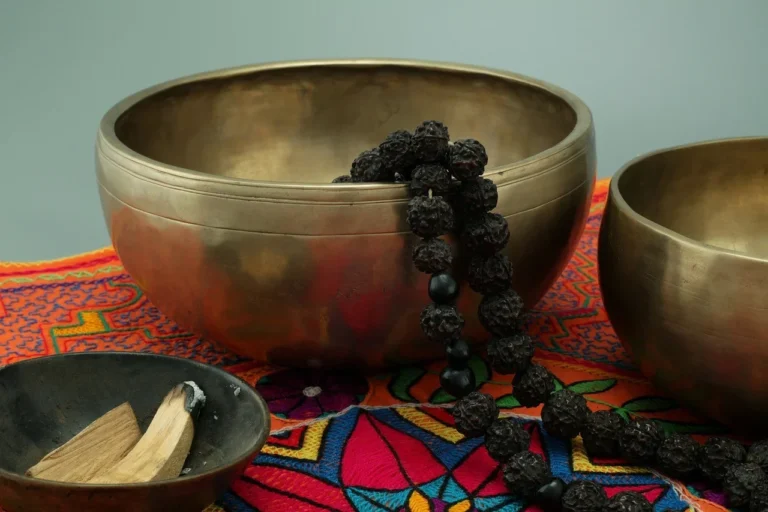
Simplicity Is Core Hindu Teaching
In Hindu tradition, Simplicity Is a Core Hindu Teaching that reflects the belief that true fulfillment comes from a life stripped of excess. Religion on study of humanity’s nature seems to cherish the idea that inner peace surpasses physical abundance. By focusing on mindful living, the doctrine invites followers to find abundance through minimalism, transparency, and conscious practice. Simplicity, therefore, is not merely a convenient tactic but an essential virtue that guides devotees toward spiritual liberation or Moksha. It is this profound insight that forms the cornerstone of Hindu philosophical thought and everyday lived reality.
The Essence of Simplicity in Hindu Thought
From the early Vedic hymns to modern interpretations, simplicity is a running theme. The Upanishads prescribe dhyana (meditation) over material distraction, and the Bhagavad Gita famously counsels “doing work with detachment” (Karma Yoga). Pursuing a minimalist state of being aligns one with the divine, allowing the heart to elicit unity with the supreme Brahman. In contrast to the global consumption culture, Hindu thought teaches that the simplest path traverses to the highest good, with less clutter, less attachment, and more awareness. It is this principle that directs adherents toward a balanced life in harmony with natural order.
Simplicity through the Vedas and Upanishads
The earliest Vedic literature emphasizes simple rituals and sincere devotion or devotion (bhakti). The Upanishads, particularly the Katha and Mundaka, articulate the concept of a “life of pure, simple understanding.” They encourage *moksha* – liberation through knowledge – by surrendering the ego and face vastness in the cosmos. Sourcing wisdom from the Vedanta school, one sees that the pursuit of *jnana* (knowledge) is *non-material* and therefore simple. In modern scholarship, those who study Vedanta report that *dharma* (ethical living) also entails minimalism and the retreat from material excess. Consequently, the integration of simplicitiy into daily tasks fosters a clear mind in alignment with cosmic principles.
Practical Application: Everyday Spiritual Practice
Simple habits during the weekday can crystallize this ancient ethos into everyday experiences. Below is a concise to‑do list that illustrates how to weave simplicity into modern lifestyles:
- Begin each day with a 5‑minute meditation or breath‑work.
- Choose a single wholesome meal per day and consume it mindfully.
- Schedule a short digital‑free interval to cultivate presence.
- Adopt a “one‑in, one‑out” rule for material goods to prevent clutter.
- Finish each evening with a gratitude journal entry highlighting non‑material joys.
These actions do not merely reduce physical items but actively nurture a mental state of mindful detachment, as the Yoga Alliance’s principles recommend. The Brahmanate School’s teachings echo that minimalism enables the mind to access higher consciousness. With the support of institutions such as Yoga Alliance, practitioners find guided instruction to deepen this artful restraint.
Benefits Beyond the Spiritual Realm
The emphasis on simplicity extends far beyond the ashram. By lessening the burden of consumption, practitioners often experience lowered stress levels, improved physical health, and a stronger sense of community. Ayurveda, an ancient medical system closely tied to Hindu philosophy, traditionally advocates for balanced diets, natural environments, and mindful living—principles that echo the core teaching of simplicity. The Hippocratic view that “less is more” dovetails with India’s principle that a restrained life fosters dynamism in both body and mind. Moreover, minimal red tape and environmental awareness become natural byproducts of a simpler lifestyle, showing how a spiritual doctrine can positively influence society.
In the context of War, Covid‑19, and global crises, returning to simplicity has proven to enhance resilience. Communities rely on simplicity to regain equilibrium and to foster empathy where the marketplace has long replaced interactions. Consequently, the alignment of simplicity with both personal and sociocultural evolution addresses a timeless ground. The ancient scriptures do not merely warn against extravagance; they illuminate a path toward enduring excellence at multiple levels.
Conclusion: Live the Simple Truth Today
Simplicity Is a Core Hindu Teaching is a powerful statement that invites us to reassess the pace of our lives. By adopting minimalistic practices outlined above and immersing yourself in the teachings of the Vedas, Upanishads, Bhagavad Gita, and Vedanta, you can achieve a state of calm mind and veiled truth. The less you chase, the more you attract peace, purpose, and a deeper connection to the cosmos.
Take the first step now. Try one of the practical habits, and observe how a simplified life layers deeper meaning. Share your journey with friends or on social media with #SimplicityInHinduism to inspire and build a broader community of mindful seekers. Your path to serenity starts at home—within your thoughts.
For more guidance, explore credible sources such as the Vedas, the Bhagavad Gita, and the Vedanta movement. Let simplicity guide you to a balanced, enlightened life—and invite the world along the journey.
Frequently Asked Questions
Q1. What does simplicity mean in Hindu teachings?
Simplicity, or *sādhu-rūpa*, in Hinduism refers to a life free from unnecessary material clutter and mental distractions. It emphasizes mindful living, detachment from the ego, and devotion to spiritual truth. The goal is to cultivate a clear mind that can perceive the divine presence in every moment.
Q2. How does the Vedas promote simplicity?
The Vedas endorse simple rituals and sincere devotion, expressing that spiritual progress relies more on intention than on elaborate ceremonies. Even subtle practices like daily meditation or mindful eating align practitioners with cosmic harmony without excess.
Q3. In what ways does the Upanishads encourage minimalist living?
Upanishads such as Katha and Mundaka describe a pure, simple understanding of reality (jnana). They advise surrendering ego and material attachments, urging seekers to pursue knowledge rather than accumulation of possessions.
Q4. Are there modern practices inspired by simplicity in Hindu tradition?
Modern practice incorporates daily meditation, mindful nutrition, digital detoxes, and the “one‑in, one‑out” rule for items. These habits echo ancient principles while catering to contemporary lifestyles.
Q5. How does simplicity benefit both personal and societal well‑being?
Beyond spiritual liberation, simplicity reduces stress, improves health, fosters community bonds, and raises environmental consciousness. In times of crisis, a restrained, mindful approach can strengthen resilience and empathy among communities.