Benefits Of Reading Chalisa Aloud
Reading Chalisa Aloud is more than reciting verses; it is an intentional practice that invites a cascade of mental, emotional, and spiritual benefits. By chanting these rhythmic hymns, devotees create a focused soundscape that can align thoughts, calm the nervous system, and foster a deeper connection with the divine. In this post, we explore scientific insights, traditional teachings, and practical tips that illustrate why the act of vocalizing a chalisa can be transformative for practitioners of all backgrounds.
Key Spiritual Rewards of Vocal Chanting
Spiritual traditions around the world emphasize the power of sound. In Hinduism, a chalisa—forty verses praising a deity—serves as a mantra that embodies devotion, memory, and reverence. When you chant these verses aloud, you engage in a form of sankalpa (intentional setting of mind) that can heighten consciousness. According to the Meditation page on Wikipedia, vocal chanting produces rhythmic breathing patterns that stabilize heart rate variability, a physiological marker of emotional resilience.
Scientific Insights: Sound, Brain, and Well‑Being
Multiple studies show that chanting stimulates areas of the brain associated with emotional regulation. An American Psychological Association overview explains that rhythmic vocal patterns activate the vagus nerve, which helps reduce cortisol levels and strengthen parasympathetic activity. This review outlines how consistent chanting can lower anxiety and improve mood. Moreover, Harvard Health Publishing notes that synchronized breathing coupled with vocalization—techniques used in a chalisa—improves sleep quality and overall mental clarity. These findings point to a biological basis for the reported peace and focus experienced by regular practitioners.
How the Chalisa Supports Meditation and Mindfulness
Reading a chalisa aloud naturally promotes mindfulness. Each syllable requires attention, preventing the mind from drifting into ruminative loops. The vibrational quality of the chant, delivered through vowels like “aa” and “ee,” also offers a form of sonic grounding that anchors present‑moment awareness. By aligning breath with rhythmic verses, meditators create a repeating loop that embodies body‑mind synchrony—a cornerstone of many mindfulness practices. Leading scholars in contemplative science, such as the Morita University research group, find that sound meditation magnifies the “flow state” and facilitates entrance into deeper meditative layers.
Practical Tips: Make the Most of Your Vocal Practice
Below is a concise roadmap for integrating chalisa chanting into a daily routine, whether you’re new to the practice or seeking to deepen it.
- Set a Regular Time – Choose a moment in the day when you’re least likely to be interrupted (e.g., early morning or evening).
- Use a Quiet Environment – Minimize external noise to foster concentration; a softly lit space can enhance the meditative atmosphere.
- Mindful Breathing – Inhale deeply before starting each stanza; exhale slowly, matching the cadence of the chant.
- Record and Reflect – Occasionally record your recitation to monitor vocal tone, pace, and emotional state. Reflect on how the chant influences your mood.
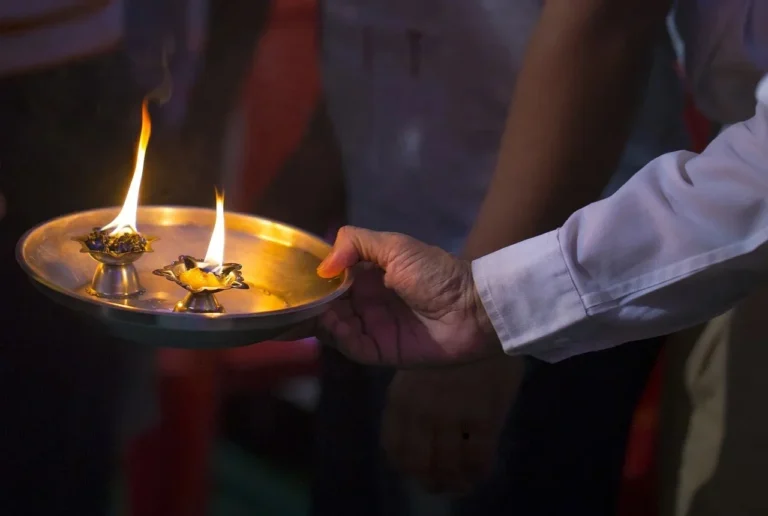
- Combine with an Offerings Ritual – Light a candle or incense; visual focus can complement the auditory experience, creating a multisensory practice.
By establishing these habits, you can transform accidental recitations into a refined, spiritually centric routine. Practice not only sharpens your vocal skill but also nurtures a deeper partnership with the divine where every breath intertwines with divine grace.
Does Reading Chalisa Aloud Help with Emotional Healing?
Emotionally, the act of chanting brings what psychologists call “collective emotional catharsis.” When verses inhale the sorrow or joy you hold, the release of phonetic vibration empowers emotional release. Traditional texts, such as the Tulsidas scholarship, describe how the repetition of divine names dissolves attachment and fosters self‑purification. For modern seekers, research published in the Journal of Positive Psychology reveals that mantra repetition decreases rumination and promotes sustained positive affect.
Leveraging Chalisa for Community Building
Beyond personal practice, many temples and spiritual groups conduct communal chalisa recitations. The rhythmic convergence fosters a shared emotional state, enhancing empathy and collective well‑being. Community chanting is historically linked to social cohesion; evidence from a National Academies of Sciences study shows group singing lowers stress and increases social bonding—an effect amplified when the verses carry spiritual resonance.
Strong Conclusion & Call to Action
Whether aiming for calm, spiritual insight, or emotional healing, reading a chalisa aloud offers a unique blend of voice, breath, and devotion that works on multiple dimensions of human experience. The synergy between scientific research and time‑tested tradition underscores the practice’s profound impact. Begin your journey today: find a reliable chalisa text, set a quiet space, and let the divine rhythm guide you toward inner peace and clarity. For a recommended chalisa edition with translations, visit Learn Indo-Gaama, a respected source for authentic scriptures. Embrace the sound, and let your soul sing in resonance with the universal cosmos.
Frequently Asked Questions
Q1. How does chanting Chalisa aloud help emotional healing?
Chanting recoups emotional resonance by syncing breath and vibration, which lowers cortisol and mitigates rumination. Studies show that rhythmic vocalization triggers the parasympathetic nervous system, promoting a trance‑like calm that releases suppressed emotions. Thus, for many seekers, daily chanting becomes a meditative catharsis that fosters resilience.
Q2. What are the key spiritual rewards of vocal chanting?
Vocalizing Chalisa invokes sankalpa—intentional devotion—aligning thoughts with divine grace. It serves as a mantra, enhancing memory and reverence, while providing a sonic anchor that deepens present‑moment awareness. Practitioners often report heightened consciousness and a stronger bond with the deity.
Q3. What scientific evidence supports chanting benefits?
Research from the American Psychological Association and Harvard Health indicates that rhythmic chanting activates the vagus nerve, improves heart rate variability, and reduces cortisol. These physiological markers correlate with reduced anxiety, better sleep quality, and overall mental clarity. The consensus suggests a biological basis for the calm practitioners experience.
Q4. How can I start a daily Chalisa practice?
Select a quiet time, create a soothing space, and begin with mindful breathing. Record your recitation periodically to assess tone and pace. Pair chanting with offerings like a candle, and slowly integrate the practice into your routine, adjusting the duration as comfort grows.
Q5. Does chanting Chalisa benefit community building?
Group chanting synchronizes collective emotional states, fostering empathy and social cohesion. Studies demonstrate that communal singing lowers stress and increases bonding. Many temples use Chalisa recitation to cultivate unity, making the practice beneficial for both individuals and groups.