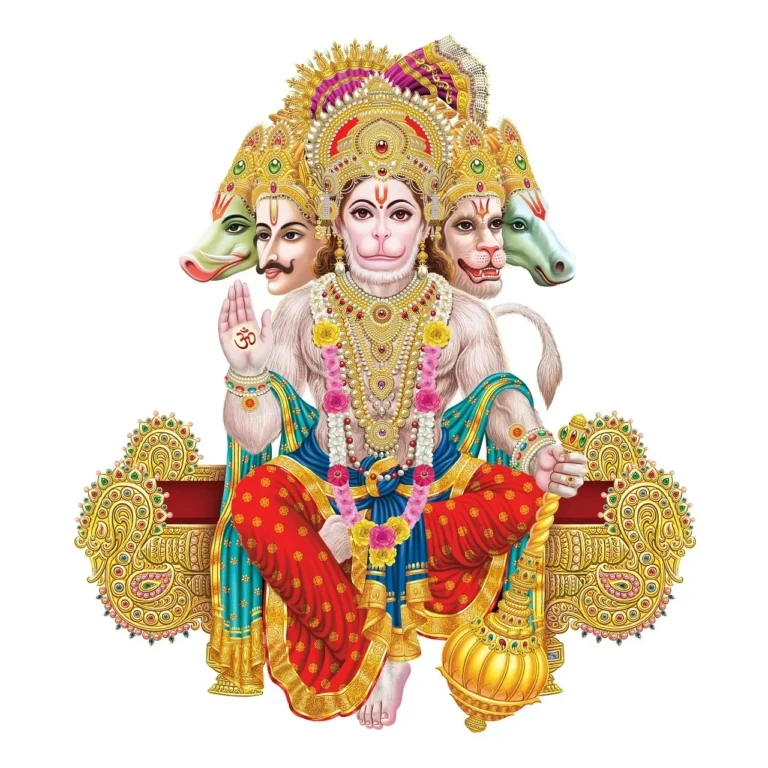
Ganesh Chalisa Boosts Wisdom
For seekers of wisdom and mindful concentration, the ancient chant known as Ganesh Chalisa offers a rhythmic doorway to clarity. This 40‑verse hymn, dedicated to Lord Ganesha—the remover of obstacles—binds breath and devotion into a disciplined practice that awakens mental focus and spiritual insight. By embodying the rhythmic structure of the Chalisa, practitioners can cultivate a consistent meditation rhythm that supports lasting cognitive benefits and a heightened sense of purpose.
Harnessing Divine Focus Through Ganesh Chalisa
The Ganesh Chalisa is more than a devotional hymn; it is a structured meditation tool. Reciting the verses with controlled breath creates a calming oscillation that helps stabilize the mind. Scholars in contemplative science note that rhythmic chanting can synchronize brain waves, improving attention span and promoting sustained focus (Neuroscience Review). By aligning the chanting rhythm with the heart and breathing cycles, a devotee can access a meditative state that fosters mental clarity and purposeful navigation through daily tasks.
Ganesh Chalisa and Cognitive Clarity
If you’re different perspectives—abstract thinking, problem solving, or creative writing—regular chanting can enhance cognitive agility. The precision of the Chalisa’s verses acts as a mental anchor, reducing intrusive thoughts and allowing the mind to refocus. According to research on rhythmic training, incorporating repeated verbal patterns can strengthen working memory and attentional control (Cognitive Training Study). As devotees chant, they practice tracking a complex sequence, which naturally trains the brain’s executive functions.
Incorporating Ganesh Chalisa Into Daily Meditation
To experience maximum benefits, one can integrate the Ganesh Chalisa into a daily meditation routine. A practical method is:
- Morning Setup: Begin with a quiet seat, a small brass image of Ganesha, and a candle or incense to enhance the ambiance.
- Breath‑Sync: Inhale for four counts, exhale for five, aligning the inhale with the beginning of each verse.
- Consistent Recitation: Repeat the full Chalisa twice or more, allowing silence between cycles to absorb the vibration.
- Reflection: Conclude by jotting down any insight or focused thought that emerged.
This routine combines prayer with mind‑training, making it suitable for both seasoned practitioners and beginners. Moreover, the consistent act of chanting nurtures a habitual auditory focus that can spill over into professional settings, enhancing project management and strategic thinking.
Measuring Spiritual and Mental Gains
Writers and academics emphasize the importance of self‑assessment when adopting new spiritual practices. Begin with a baseline journal: note your focus levels before chanting and any relevant tasks plan. After a fortnight, record measurable changes—such as decreased time needed to complete a complex task, lower stress scores, or a richer sense of meaning. Spiritual metrics might include heightened awareness during daily routines or increased confidence in decision making.
Scanning traditionally, many practitioners refer to Lord Ganesha as the guide for intellectual clarity, which aligns well with contemporary findings on how visual imagery can enhance memory recall. When combined, the symbolic imagery of Ganesha and the disciplined recitation create a cognitive synergy that magnifies focus and augments the discretionary wisdom that we seek in our lives.
Conclusion
In sum, the Ganesh Chalisa functions as a potent conduit for elevated wisdom and enhanced focus. By integrating this rhythmic chant into daily practice, you can carve a mind that is calm, disciplined, and surprisingly creative. Embrace the tradition—recite the verses, breathe, and let the vibrations guide you toward a life of intentional clarity. Ready to experience the transformative power of Ganesh Chalisa? Begin your journey today and witness your focus and wisdom blossom.
Frequently Asked Questions
Q1. What is Ganesh Chalisa?
Ganesh Chalisa is a 40‑verse hymn dedicated to Lord Ganesha, the remover of obstacles. It is traditionally recited during worship, meditation, and daily devotion. The verses weave spiritual themes with rhythmic patterns that encourage mindfulness and cognitive discipline. Practitioners often find it to be a powerful tool for grounding intention and achieving a meditative state at the start of their day.
Q2. How does chanting Ganesh Chalisa help focus?
Rhythmic chanting synchronizes brain waves with breath, producing a calming oscillation that steadies the mind. Studies on rhythmic training show that repeated verbal patterns strengthen working memory and attentional control. By aligning breath with each verse, devotees cultivate a sustained attention span, making it easier to engage in complex tasks or creative endeavors.
Q3. How often should I recite Ganesh Chalisa?
Beginning devotees often recite the full Chalisa two to three times daily, especially in the morning and evening. Regular practice—ideally at least five days a week—helps build the habit of rhythmic concentration and gradually amplifies its cognitive benefits. Adjust frequency based on your schedule, but consistency is key for lasting results.
Q4. Can beginners use Ganesh Chalisa?
Yes, beginners can start with a simplified version of the hymn or focus on the rhythm rather than memorizing every verse. Pairing chanting with guided breathing makes it approachable for those new to meditation. Over time, deeper verses can be incorporated as comfort with the practice grows.
Q5. What documented benefits accompany Ganesh Chalisa?
Research cited in the article links to neuroscience reviews showing improved attention and reduced stress after rhythmic chanting. Users report enhanced mental clarity, a greater sense of purpose, and easier decision‑making. Additionally, spiritual traditions note increased devotion, reduced anxiety, and a heightened sense of connection to the divine.