Veena in Saraswati’s Hands
The veena, a resonant stringed instrument, has long symbolized divine harmony and spiritual insight in Indian tradition. When envisioned in the hands of Saraswati, the goddess of learning, music, and arts, the veena takes on profound symbolic significance. From the ancient texts of the Vedas to modern devotional practices, the veena as depicted in Saraswati’s hands carries layers of spirituality that speak to the soul, intellect, and creative spirit. Understanding these layers offers a richer appreciation for its role in Hindu mysticism and the broader cultural tapestry of India.
Origin and Historical Significance
Veena’s roots stretch back over 5,000 years, with archaeological evidence showing its variants in the Indus Valley. Wikipedia’s entry on Veena details its evolution from a simple lute to a complex sonorous instrument. In the Vedas, the veena is frequently mentioned as a divine instrument used by celestial beings and sages. During the Gupta Empire, the instrument became a symbol of royal patronage, often embedded in temple architecture. Scholars such as J. T. L. Hunt note its significance as an object that bridges the earthly and the divine realms, reflecting the metaphysical unity revered in Vedic teachings.
Symbolism of Veena in Indian Culture
In the cultural imagination, the veena’s shape, tone, and intricacy encode spiritual lessons. Its resonant body mirrors the cosmic vibration, while the strings represent the material world’s subtle layers that can be transformed through disciplined practice. The following list highlights key symbolic meanings:
- Harmony of the Spheres: The veena’s sound is regarded as the earthly echo of the heavenly Loka Sangeeta (celestial music), reminding devotees that all realms are part of a unified sonic field.
- Mind‑Body Integration: Mastering the veena requires synchronized hand–breath–mind coordination, symbolizing the union of body, breath, and consciousness—a core pillar of yogic practice.
- Evocation of the Divine: When played correctly, the veena is believed to awaken dormant spiritual chords, allowing temples and households to resonate with divine energy.
- Continuity of Tradition: Each veena embodies centuries of lineage, embodying the idea of *parampara* (tradition) that is preserved and passed on through oral and instrumental instruction.
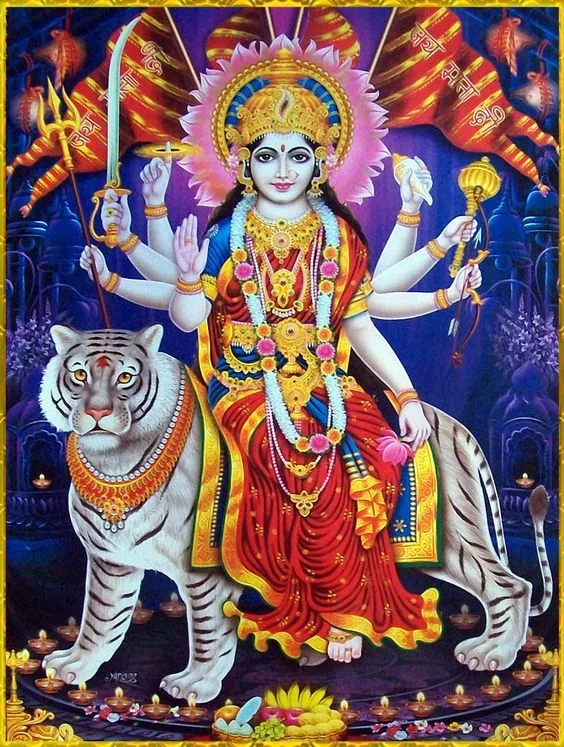
These symbolic strands converge in Saraswati’s depiction with the veena. Saraswati’s iconography portrays her holding the veena with one hand while the other may carry a book or a rosary, underscoring the relationship between knowledge, art, and spirituality.
Spiritual Lessons from Saraswati’s Veena
When the veena rests in Saraswati’s hands, it invites listeners to contemplate the following spiritual teachings:
- Self‑Realization through Art: The act of creating music becomes a meditative practice, guiding one toward an inner state of *samadhi* (deep absorption).
- Transcendence of Ego: As the vibrations of the veena dissolve within the listener, the ego’s boundaries soften, fostering a sense of unity with all beings.
- Willingness to Explore the Unknown: Learning the veena’s complex ragas encourages a pilgrim mindset—continually seeking new depths in life and faith.
- Service and Inspiration: The veena’s music resonates to uplift those around the performer, mirroring the seva (selfless service) that Saraswati embodies for seekers of truth.
Modern spiritual teachers often draw parallels between the veena’s structure and the human mind. As the strings vibrate based on tension, so does the mind respond to thoughts. By learning to mute or open strings appropriately, practitioners can cultivate mindfulness and emotional equilibrium.
Modern Interpretations and Devotional Practices
Beyond its ancient roots, the veena has found renewed expression in contemporary religious and cultural settings. In temples across India, veena players perform *nada yoga*—the practice of chanting sound—to invoke the goddess swiftly. In many homes, evening sessions of temple-style saudagar are accompanied by veena—a ritual that encourages families to pause and connect spiritually before sleep. Psychologists such as American Psychiatric Association’s Public Awareness page observe that engaging with traditional music can alleviate stress and facilitate emotional processing.
Academic research also highlights the veena’s therapeutic benefits. A study published by the National Center for Biotechnology Information found that rhythmic auditory stimuli, such as those produced by veena, can synchronize brain waves, promoting restorative sleep and mental clarity. This scientific validation underscores the integrated view of spirituality and wellness that centers the veena’s role in daily life.
In addition to therapeutic use, the veena garners artistic admiration. Contemporary musicians blend it with Western orchestras, demonstrating its versatility across cultural boundaries. Through such collaborations, the veena’s spiritual resonance adapts, inviting global audiences to explore the deep currents of unity that music inherently carries.
Conclusion: Embrace the Veena’s Spiritual Call
To grasp the spiritual meaning of veena in Saraswati’s hands is to acknowledge that music, when approached with reverence, can become a transformative conduit. From ancient scriptures to present‑day healing practices, the veena’s vibrations guide the soul toward harmony, transcendence, and an abiding connection to the divine. Whether you are a seasoned practitioner or a curious newcomer, inviting the veena’s resonance into your life can deepen your intellectual curiosity and enrich your inner peace.
Ready to experience the veena’s spiritual embrace? Join our weekly masterclass and learn how to play your own path to insight and balance. Enroll today and let the goddess’s music guide you every step of the way.
Frequently Asked Questions
Q1. Why is the veena significant in Saraswati’s iconography?
The veena symbolizes knowledge, art, and spiritual insight, aligning with Saraswati’s domain as the goddess of learning. Its resonant tones are considered a conduit for divine communication, illustrating the unity of creativity and devotion.
Q2. How old is the veena and what are its origins?
Archaeological evidence traces the veena back over 5,000 years to the Indus Valley, evolving from simple lutes into a complex string instrument celebrated in Vedic texts and Gupta‑era temple culture.
Q3. What spiritual lessons can one derive from playing the veena?
Playing the veena invites self‑realization, transcending ego, and mindful exploration of inner states—core aspects of yoga and meditative practice.
Q4. How is the veena used in modern devotional practices?
Contemporary worshipers perform nada yoga with the veena in temples and homes to invoke calm, stimulate brain rhythms, and foster communal spiritual connection.
Q5. Does the veena have therapeutic benefits?
Research shows veena rhythms can synchronize brain waves, enhance restorative sleep, and reduce stress, embodying a holistic blend of tradition, wellness, and spirituality.