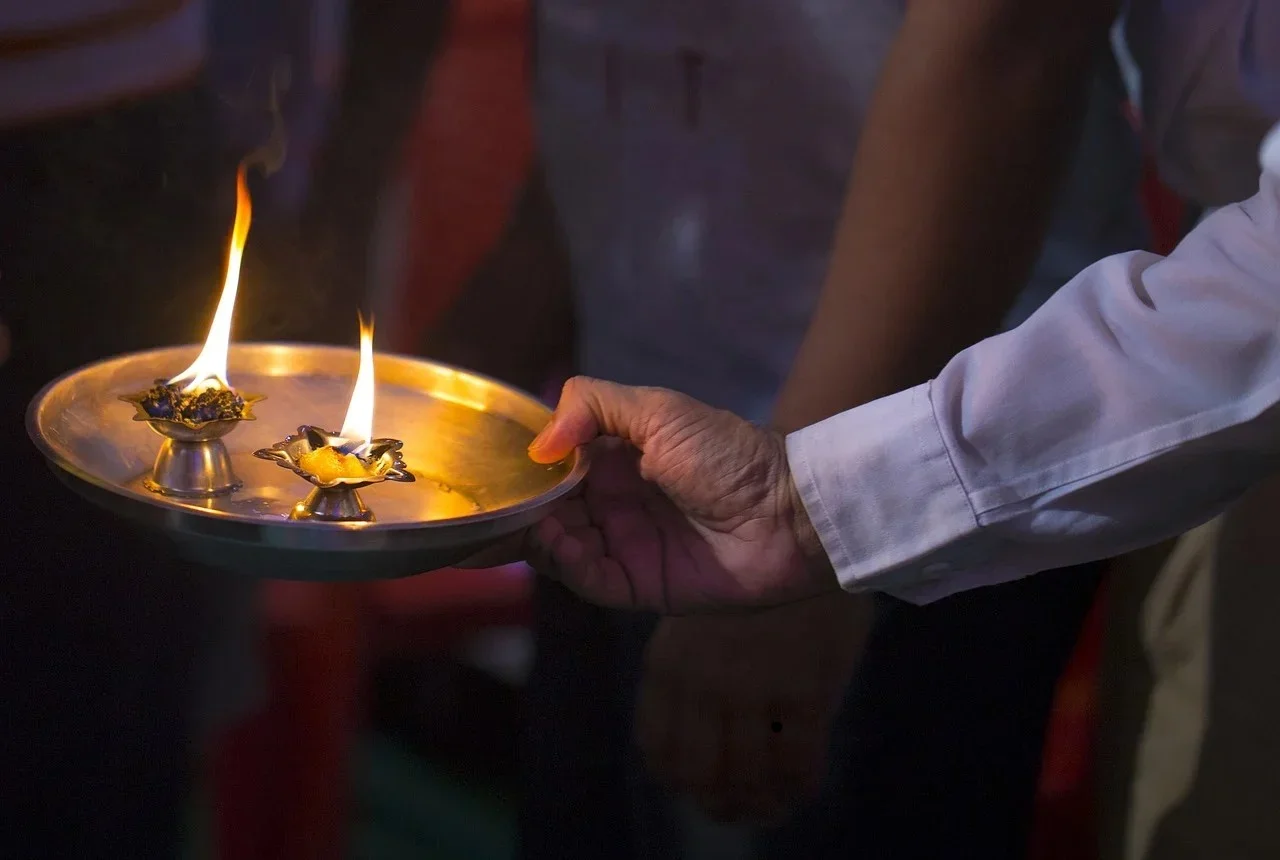
Modak Offered to Ganesha
Throughout Hindu festivals, the Modak Offered to Ganesha symbolizes pure devotion, gratitude, and the sweetness of divine blessings. Whether recited in homes or seen in grand processions, this small, steamed sweet nurtures a spiritual conversation between devotees and the elephant‑headed god who embodies wisdom, new beginnings, and the removal of obstacles. Understanding the profound layers behind this simple offering opens a portal to the heart of Indian spirituality.
Understanding the Sacred Modak
Modak, a distinct delicacy made of rice or wheat flour, coconut, and jaggery, is traditionally described as “the favourite food of Lord Ganesha” in Sanskrit hymns and canons. Its round shape—mirroring the cosmic unity of all dimensions—and the presence of a tiny seam resembling an eye or a divinity’s gaze convey that it is crafted just for the divine. The sweet’s golden hue recalls the lotus, the sacred flower associated with purity, while the subtle steam released during cooking embodies the aroma of incense that pervades a temple’s sanctum.
Historical Roots of Ganesha Worship
Ganesha’s veneration traces back to the early Puranic surge around the 500‑AD region of Southern India. Medieval alchemical texts and epigraphic evidence record Ganesha’s merging between Vedic and tribal traditions. Scholars note that the Lord’s human-like features with an elephant head were designed to embody wisdom, innovation, and the transcendence between the spiritual and the corporeal realms. The dairy‑based sweets, especially modak, entered Ganesha worship through ritual texts such as the Brahmanda Purana and the Linga Purana, where the deity’s fondness for sweet is repeatedly emphasized.
Symbolic Interpretation of the Modak
From a symbolic angle, the modak’s contents carry layered meanings:
- Jaggery: Represents the sweetness of success achieved through perseverance.
- Coconut: Signifies the integrity of the self; not just the outer shell.
- Edible Rice Flour or Wheat: Stands for nourishment and everyday sustenance.
In addition, the modak’s rounded shape mirrors the Trikona (tri‑angular) nature of the cosmos, reminding devotees to seek balance between the personal, social, and divine spheres.
Preparing and Offering Modak: Step‑by‑Step
While a communal vendor can delight the crowd in festival markets, crafting modak at home deepens the devotional experience. The following checklist guides you through the perfected method:
- Ingredients: 1 cup wheat flour, 1/4 tsp salt, 1 cup jaggery syrup, 1/2 cup finely grated coconut, 1/4 cup water, a pinch of saffron (optional).
- Mixing: Combine flour, salt, and water until a pliable dough forms. Knead for 5 minutes to develop gluten.
- Filling: In a separate bowl, blend coconut with jaggery syrup and saffron. Keep the mixture moist.
- Forming: Roll a small ball of dough, press gently into a shallow disc, place a spoonful of filling, then close the edges forming a pouch.
- Steaming: Place the packaged modaks over boiling water in a steamer for about 10 minutes, ensuring they puff slightly.
- Offering: Arrange the cooked modaks on a copper plate, sprinkle with a pinch of edible silver leaf, and present to Ganesha with a prayer of gratitude.
Remember, the intention steeps the modak as much as the steam does; a humble, clear mind elevates the offering’s spiritual potency.
Modak in Contemporary Celebrations
In modern India, the modak offered during Ganesh Chaturthi remains a unifying tradition. Community kitchens (samas) serve free modaks to include tribally uplifted and rural devotees in the ceremony. Across the diaspora, the same sweet signifies affection shared through cooking blogs, instant video tutorials, and even culinary competitions, preserving the culinary ritual in virtual spaces. The modak continues to embody a transgenerational conversation about faith, heritage, and the art of sharing.
Conclusion: Embracing the Sweet Blessings
By recognizing the Modak Offered to Ganesha as a symbolic bridge between inner devotion and external celebration, practitioners experience rich layers of meaning—from the embrace of divine sweetness to the collective expression of faith. Such practices breathe life not only into ancient hymns but also into everyday morality: a reminder that sincere intent, coupled with humility, can spark transformative blessings.
Join our spiritual community—subscribe for in-depth guides on Hindu traditions, along with seasonal recipes, enrichment videos, and insights from renowned scholars. We’ll help you continue the practice of offering kindness, one sweet modak at a time.
Ganesha | Modak | Britannica article on Ganesha | Merriam‑Webster definition of Modak
Frequently Asked Questions
Q1. What is the significance of Modak in Ganesha worship?
Modak is considered the favourite offering of Lord Ganesha, symbolising devotion, gratitude and the sweet rewards of spiritual effort. It reflects the unity of mind, body and spirit through its round shape and divine ingredients. During Ganesh Chaturthi it is offered to seek the deity’s blessings for success and removal of obstacles. The ritual also connects devotees to centuries of tradition.
Q2. How do I make Modak at home?
Begin by preparing the dough of wheat flour, salt and water, kneading until smooth. Create a moist filling of grated coconut, jaggery syrup and optional saffron. Roll out small discs, fill with the mixture, seal the edges and steam for 8 to 10 minutes. Garnish with silver leaf or a pinch of sugar and present with gratitude.
Q3. Can Modak be replaced with other sweets?
While some households use laddu or barfi, Modak remains the most traditional offering for Ganesha. Alternatives are acceptable if they reflect sweetness and symbolic meaning. The key is the devotion with which the sweet is presented.
Q4. When is Modak offered during festivals?
Modak is traditionally offered on the first day of Ganesh Chaturthi and throughout the 10‑day festival. It is also common in everyday offerings on the day of Ganesha’s birthday. Many temples and homes serve Modak on all auspicious occasions of the deity.
Q5. Are there regional variations of Modak?
Yes, in Maharashtra Modak is made with wheat flour and jaggery, while in South India coconut and rice flour are more common. Some versions add cardamom or rose water for fragrance. The texture may vary from fluffy to dense depending on steaming time. These differences honour local culinary traditions.