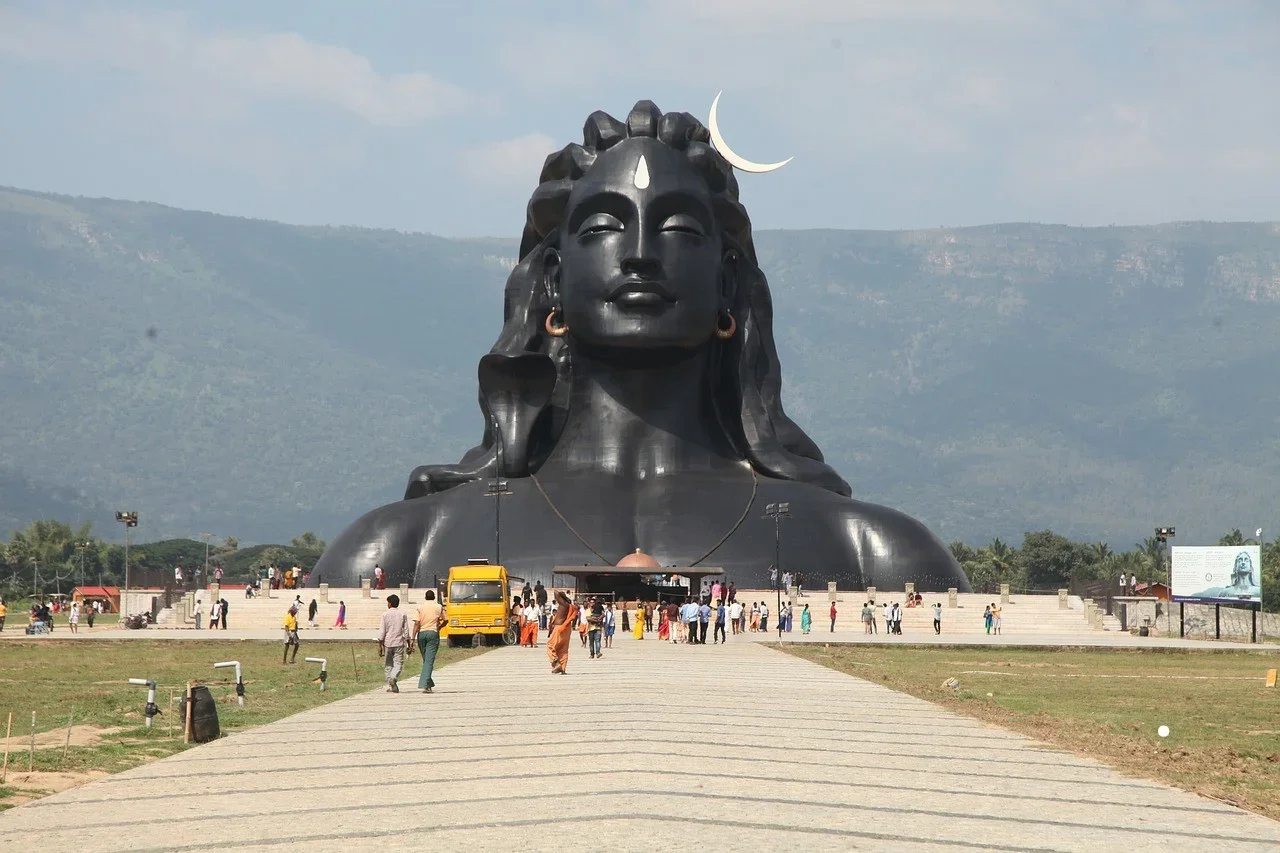
Shiva: The Destroyer of Ego
In Hindu philosophy, Shiva is revered not only as the cosmic dancer and the destroyer of the world but also as the profound destroyer of ego. The term “Destroyer of Ego” encapsulates Shiva’s role in dissolving the illusion of self‑identity and uniting the individual soul with the universal consciousness. Understanding this concept requires looking at the symbolic acts of Shiva, the teachings of ancient scriptures, and the transformative practice of surrender, or *prāyaśca* in Sanskrit. By delving into these layers, practitioners learn that ego dissolution leads to true spiritual liberation and a sustained sense of unity with all beings.
Shiva: Symbolic Representation of Ego Dissolution
Shiva’s iconography is rich with symbols that illustrate the destruction of ego. His third eye, which burns with the light of divine knowledge, metaphorically overcomes the darkness of self‑delusion. The snake coiled around his neck, representing the binding energies of desire, is burned away, signaling the annihilation of the material cravings that fuel egoic identity. Moreover, the river Ganga flowing from his matted hair signifies purification; it washes away the impurities of personal attachment. Each of these images reminds devotees that ego is an illusion *kān* (transient), and Shiva’s cosmic dance brings it to end.
Scriptural Foundations: Shiva as the Destroyer of Ego
- The Bhagavad Gita (Chapter 6, Verse 32) describes the yogi’s meditation as a means to “destroy all haunts of the mind,” echoing Shiva’s role as the Destroyer of Ego.
- The Shiva Purana repeatedly asserts that eternal love for Shiva dissolves the self—*shrimatam*—and brings one into the divine presence.
- In the Lotus Sutra, the owl of ignorance pales beside the bodhisattva’s compassion, a metaphor carried over into Shaivite teachings that the ego’s *aham* is annihilated through divine grace.
These scriptural references highlight the transformative journey from egoism towards selflessness, a core aspect of *moksha* or liberation. Scholars like Dr. N. Murthy have contextualized Shiva as a catalyst for this transformation, making his worship a pathway to *nirvāṇa* of the self.
Philosophy of Hinduism
The Spiritual Practice of Surrender (Prāyaśca)
Shiva’s devotees often practice *prāyaśca*—surrender of ego—to align themselves with the divine will. This practice involves three key steps:
- Admitting Limitation—recognizing the ego’s boundaries keeps one grounded.
- Offering Devotion—through chanting, meditation, and rituals, the individual offers every sense, thought, and action to Shiva.
- Accepting Compassion—when surrender is offered, Shiva’s compassion magnifies, dissolving ego barriers.
Research in psychology indicates that *prāyaśca* mirrors the concept of *ego dissolution*, which has been linked to increased well‑being and compassion. This alignment underlines Shiva’s role as the Destroyer of the artificial self.
Impact on Spiritual Liberation and Self‑lessness
When the ego is extinguished, the individual experiences *moksha*—the eternal unity with Brahman. This liberation allows one to perceive life as a field of interconnections, not as isolated identities. The *Ashram* scholars note that this shift fosters genuine self‑lessness and enhances empathy across social strata. For Hindus, Shiva’s intervention in eliminating *aham* becomes the cornerstone of attaining peace beyond the material realm.
Relevance in Modern Contexts
In today’s fast‑paced world, ego often manifests in relentless pursuit of status or self‑validation. By adopting Shiva’s perspective, individuals find a robust framework for managing ego, cultivating mindfulness, and fostering authentic living. Modern thinkers, such as Dr. S. J. Sharma, cite Shaivism as a source of psychological resilience, offering pathways for those dealing with anxiety or identity crises.
Conclusion: Embrace the Divine Path of Ego Dissolution
Shiva, as the Destroyer of Ego, invites every seeker to dissolve the false identification with the self. Through scriptural wisdom, symbolic imagery, and the disciplined practice of surrender, the ego’s chains break, revealing an ever‑present consciousness. Whether you approach this tradition through devotion, study, or meditation, the outcome is profoundly transformative. Unshackle yourself from the ego’s illusion, and step into the boundless space of universal love and compassion.
Ready to transform your consciousness? Join a guided meditation series on Shiva’s path and experience the blissful release from ego. Learn more here.
Frequently Asked Questions
Q1. Who is Shiva as the Destroyer of Ego?
Shiva, the cosmic dancer, is revered as the Destroyer of Ego, meaning he dissolves the illusion of individual identity. By transcending the ego, devotees recognise their unity with the universal consciousness. This symbolic role is central to Shaivite meditation, encouraging seekers to let go of self‑bound identities. Inclusion of practice such as *prāyaśca* and chanting fosters this dissolution. Hence, Shiva guides seekers toward liberation from egoic separateness.
Q2. What symbols represent ego dissolution in Shiva’s iconography?
Shiva’s third eye, the coiled snake around his neck, and the river Ganga flowing from his hair are key symbols. Each image signifies the removal of desire, self‑delusion, and attachment. Together, they remind followers that ego is a fleeting illusion. Worship visualises the annihilation of egoic boundaries. These motifs inspire reverence for ego dissolution.
Q3. Which scriptures highlight Shiva’s role as Destroyer of Ego?
Key texts include the Bhagavad Gita, the Shiva Purana, and various Puranic hymns. The Gita’s verse 6.32 speaks of annihilating all haunts of the mind. The Shiva Purana emphasizes devotion as the path to self‑forgetting. These scriptures guide seekers toward ego disappearance through study and devotion.
Q4. How does the practice of prāyaśca help dissolve ego?
Prāyaśca involves admitting limitation, giving devotion, and accepting Shiva’s compassion. It mirrors psychological ego dissolution by grounding, surrendering, and receiving empathy. Through this disciplined practice, the ego’s barriers weaken. That, in turn, fosters authenticity, compassion, and inner peace. Followers report increased wellbeing and self‑lessness.
Q5. What benefits can I expect from aligning with Shiva’s principle of ego dissolution?
Aligning with Shiva’s ego‑dissolving principle leads to spiritual liberation, or moksha, a sense of unity with Brahman. It encourages empathy, reduces anxiety and self‑validation cravings, and promotes mindful living. The resulting self‑lessness strengthens relationships and social compassion. Ultimately, devotees experience a profound sense of peace beyond material concerns.