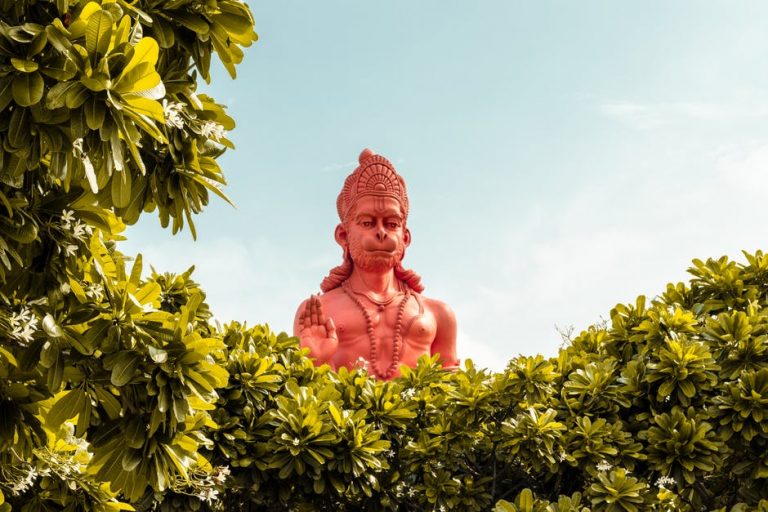
Kali Worship Benefits Explained
In the journey of personal transformation, many seekers look for practices that can help them illuminate inner darkness, release limiting beliefs, and cultivate vibrant energy. Kali Worship has gained attention not only as a devotional ritual but also as a powerful catalyst for psychological growth. By incorporating the fierce goddess Kali into a regular spiritual routine, practitioners tap into a rich tradition of resilience, self‑empowerment, and profound emotional release.
Unwrapping the Symbolism of Kali
Kali, often depicted with a dark, radiant presence, embodies the raw act of transformation. Her imagery of jaguar claws, a blood‑stained tongue, and a garland of severed heads is symbolic rather than literal. Rather than worshipping fear, devotees honor the goddess as a vessel that destroys egoic attachments, allowing the soul to breathe freely. Research in contemplative science suggests that confronting intense emotions in a structured meditation can accelerate healing. The dual nature of Kali Worship—both ecstatic and anchoring—creates a safe space for vulnerability.
1. Strengthening Personal Resilience
One of the most immediate benefits of Kali Worship is increased resilience. A study published in the Psychological Reports found that practitioners of goddess-centered rituals reported higher post‑traumatic growth scores. By meditating on Kali’s fierce gaze, practitioners symbolically confront their deepest fears, transforming them into stepping stones rather than stumbling blocks. This process aligns with the concept of psychological resilience: acknowledging adversity while maintaining a sense of purpose.
2. Activating Chakra Energy Flow
Kali’s energy is closely associated with the root (Muladhara) and sacral (Svadhisthana) chakras. A balanced flow through these energy centers is thought to stabilize emotions, reduce anxiety, and promote creativity. Energetic science demonstrates that visualization practices can influence brainwave patterns linked to focused attention and emotional regulation. A simple daily routine might involve chanting “Om Kali Ma” while focusing on the lower abdomen, allowing subtle vibrations to disperse blockages and open creative channels.
3. A Catalyst for Inner Healing and Letting Go
Personal transformation often requires a painful process of letting go. Kali’s role as the destroyer of the ego offers a symbolic framework to release self‑limitations. Practitioners often follow a structured ritual: lighting a red incense, offering flowers, and reciting “Kumkum Purnamastad.” These act as external expressions of an internal shift. According to neuroscience research, consistent symbolic gestures reinforce new neural pathways, making emotional release a more natural, habitual experience.
4. Cultivating Spiritual Growth Through Consistency
Transformational progress thrives on consistency. Many believers find that creating a daily or weekly sanctuary invites continuous disclosure and growth. By setting aside 10–15 minutes each day, you can maintain a rhythm that cultivates inner strength. This routine also serves as a lens for self‑reflection: each session can note emotional shifts, insights, or recurring patterns that surface, thereby reinforcing the cycle of personal and spiritual development.
5. Enhancing Public Wellness: A Holistic Perspective
Beyond individual benefits, Kali Worship can also enhance communal well‑being. In community circles, shared shrines often become inclusive safe spaces where diverse spiritual stories unite. The constructive energy generated through ritual ceremony can ripple outward, encouraging supportive relationships and mutual healing. Recognizing the goddess in these communal moments reflects a collective resilience that fuels social empowerment.
Practical Steps to Incorporate Kali Worship in Everyday Life
- Set up a small altar: a red cloth, an idol or image of Kali, a candle, and a bowl of water.
- Designate a quiet hour each day for chanting Om Kali Ma and/or visualizing the goddess’s divine presence.
- Keep a reflective journal to record emotional changes and insights that arise from each session.
- Attend a local workshop or online lecture to deepen your understanding of Kali’s mythos and practical applications.
- Invite a friend or family member to join a worship session; shared practice amplifies transformative energy.
Strong Conclusion and Call to Action
When embraced with intention, Kali Worship transforms not only personal narratives but also creates a ripple effect of resilience, chakra activation, and communal empowerment. This potent blend of symbolic mastery and emotional courage offers a practical pathway to navigate the challenges of modern life. Start today—set aside a brief yet powerful session dedicated to the fierce goddess—and experience the shift in how you confront, release, and grow.
Ready to begin your transformational journey with Goddess Kali? Book a personalized workshop now or join our upcoming webinar to unlock the full potential of Kali Worship in your life. Your inner power awaits.
Frequently Asked Questions
Q1. What is Kali Worship and its main benefit?
Kali Worship is a devotional practice centered on the Hindu goddess Kali. It primarily helps practitioners confront their deepest fears, fostering psychological resilience and encouraging personal transformation. The practice also creates a safe space for emotional release and self‑empowerment.
Q2. How does Kali Worship activate chakras?
Through visualization, chanting, and focused attention on the root (Muladhara) and sacral (Svadhisthana) chakras, Kali Worship can stimulate energy flow. The ritual’s rhythmic patterns alter brainwave activity, which studies link to emotional regulation and creativity. Over time, these practices help balance lower chakras and build a solid energetic foundation.
Q3. Can Kali Worship help in emotional healing?
Yes, the symbolic act of offering and chanting in Kali’s presence reinforces new neural pathways associated with letting go. The ritual amplifies awareness of emotional patterns, enabling practitioners to release limiting beliefs. Consistent practice turns emotional release into a natural, habitual experience.
Q4. How often should I practice Kali Worship?
For optimal results, daily sessions of 10–15 minutes are recommended, though a weekly longer practice can also be beneficial. Regularity reinforces habit, creates a rhythm for reflection, and sustains the energy needed for transformation.
Q5. Is Kali Worship suitable for beginners?
Absolutely. Beginners can start with a simple altar and guided chants, gradually deepening their understanding through workshops or online resources. The practice’s gentle structure makes it accessible while allowing personal growth on the path.