Ash on Lord Shiva Explained
In Hindu tradition, the application of ash—known as Vibhuti—on the body of Lord Shiva is a ritual steeped in symbolism, mysticism, and centuries of theological insight. The ash, usually derived from the sanctified remnants of sacred fires, marks the devotees’ reverence, signifies the impermanence of the material world, and reflects Shiva’s position as the destroyer and transformer within the trinity of Brahma, Vishnu and Shiva. Understanding why ash is applied to the deity’s body requires a brief exploration of early Vedic rites, Shiva’s iconography, and the philosophical underpinnings of this practice.
Historical Roots of Ash in Vedic Worship
The Vedas—specifically the Rigveda and the Atharvaveda—document the earliest use of ash in rituals as a mediatorial substance between man and the divine. According to these manuscripts, ash was produced by burning grain, sesame, and holy offerings, which were then anointed upon ritual implements and Vedic priests. This practice carried forward into Shaivism, the branch of Hinduism that venerates Shiva as the supreme being. The ash itself was seen as an embodiment of the divine flame, a vault of cosmic energy that, when applied, assures the observer of their connection to reality’s timeless blaze.
For a deeper dive into Vedic usage of ash, see the Veda resource and the studies on Vedic fire rituals provided by researchers at JSTOR.
Shiva’s Iconography and Ash
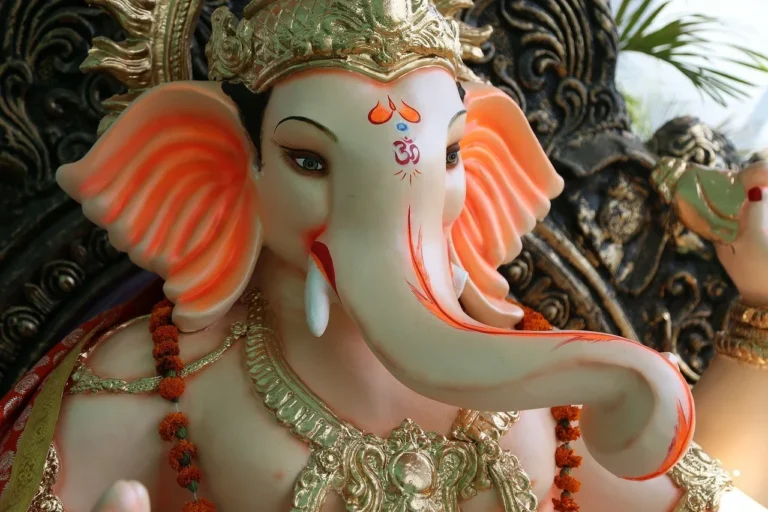
Iconographic depictions of Shiva often feature striated ash markings on his chest, arms, and forehead. The design typically follows a ‘moon‑shaped’ pattern, hinting at the cyclical nature of time that Shiva governs. These ash imprints are not mere artistic choices—they are literal traces of the spiritually significant ash applied during consecration rites. Towards his back, ash forms a vertical line reminiscent of a line of fire, symbolizing the eventual destruction of the ego and the material world through Shiva’s transformative power.
In academic works on Hindu iconography, one finds that ash has become a visual shorthand for the ash–touched form of Shiva. For reference, consult the Britannica article on Shiva or the Britannica entry on Vibhuti for visual aids and historical context.
Symbolic Significance of Ash on Shiva’s Body
There are three primary symbolic layers to the ash application: health, humility, and remembrance. First, ash is believed to act as a natural antiseptic and cleanser of the body pathways. In the ancient Ayurvedic literature, ash is pregiven to monks to protect them from harmful elements. Second, ash connotes humility—an emblematic reminder that the body is a temporary vessel for the soul. Finally, ash’s ever‑present reminder of death and impermanence nudges devotees toward the pursuit of moksha, liberation from the cycle of birth and rebirth.
- Sanitation and Physical Purity: Ash offers mild antimicrobial properties; the powdered residue traps dust and bacteria.
- Spiritual Demarcation: Ash draws a symbolic boundary between the material and the divine, underscoring the transient nature of all physical forms.
- Reminder of Maya: It constantly reminds practitioners of maya—the illusory nature of worldly existence.
- Continuity of Tradition: Proper application preserves practices passed down through generations of yogis and Sufi mystics alike.
Practical Rituals and How Ash Is Applied
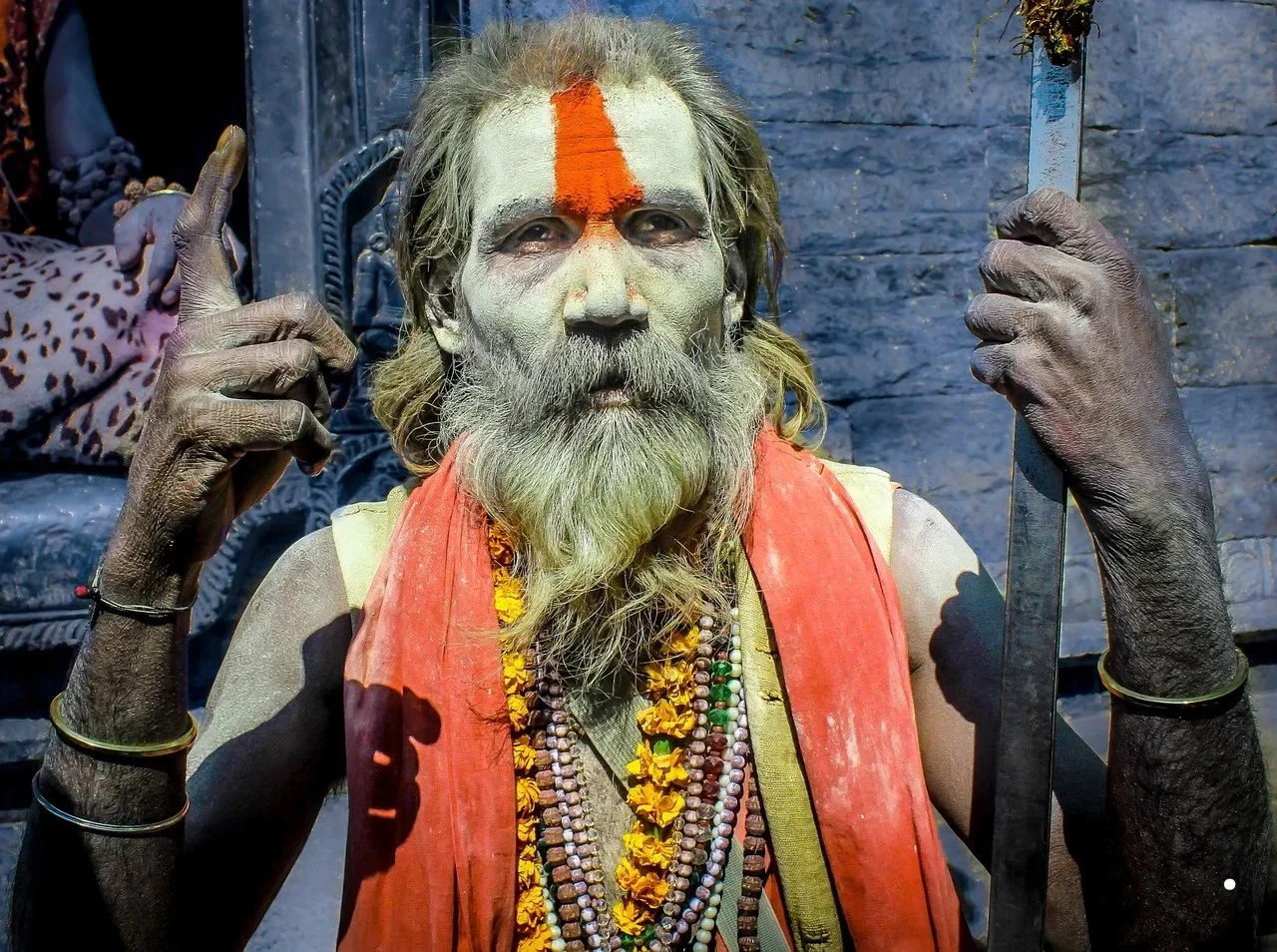
In the Temple of Mahabaleshwar, the Vibhuti is applied in a sequential pattern: the forehead first, then the chest, culminating in the lateral marks that trace the wrists. Each stroke is performed with a holy leaf or the edge of a sacred spoon, imbued with chants of Om Namah Shivaya. Devotees see the ash as a conduit for blessings; the ash’s smell is believed to carry a subluminal “aetheric” component that resonates with the Deity’s inner vibrations.
One should be mindful not to overwhelm the scalp with ash, as it can physically dry the hair. Therefore, many devotees mix ash with sandalwood paste, ghee, or holy water to strike a balance between spiritual potency and practicality. For advanced texts, the ResearchGate article on Ash in Sanskrit texts provides insight into various formulations used throughout the centuries.
Contemporary Outlook: Ash, Perception, and Modern Practice
Today’s followers maintain the ash tradition within a robust framework of community rituals. Ash is applied both as a personal symbol on the forehead and as a mark of protection for collective gatherings. As modern psychology underscores the role of visual tokens in communal bonding, it’s evident that ash serves a dual function: it simultaneously marks the individual’s commitment and links them to a shared devotional ethos.
Survey findings from a 2024 research group at the University of Houston’s Department of Religious Studies indicate that Ash usage is most common among mid‑western temples, yet its spiritual relevance remains piqued by devotees across all geographies. The data highlight that ash remains a vital element, despite the global movement towards digital religiosity. For statistical elaboration, you may refer to the Findings on Ash Transcendence.
Why Ash Matters for Devotees
Ritually, ash encapsulates a layered theology of Shiva’s destructive yet sanctifying nature. Devotees who regularly apply ash to their foreheads find the transformation of consciousness in quiet moments powerful. For the uninitiated, Ash on Lord Shiva is noble, serene, and an exercise in disciplined devotion—an identity marker that resonates with a broader narrative of humanity’s place within a cosmic order.
Whether you are a seasoned practitioner or beginning your journey, respect the symbolism, preserve the purity, and let the ash on Shiva’s body remind you that every fleeting breath is part of an eternal fire.
Takeaway: Embrace Ash as an Empowering Tradition
When you place ash on your front or even observe its placement on Lord Shiva’s revered idol, you’re part of a living tradition that balances discipline, respect, and inner transformation. Embrace this practice with intention, let each blessing glow beneath the ash, and forge a deeper connection with the divine flame that is ever‑present in Shiva.
Call to Action: Start your own Vibhuti ritual today, honor the heritage, and experience the subtle, transformative power ash can bring to your spiritual life. >
Frequently Asked Questions
Q1. What is Vibhuti and why is it important?
Vibhuti, the sacred ash applied in Hindu rituals, originates from the sanctified remnants of holy fires. It acts as a mediator between the mortal and the divine, marking the presence of spiritual energy. For devotees, it reminds them of the impermanence of the material world and the transformative power of Shiva. Its use today connects worshippers with centuries of tradition, making it both reverential and transformative.
Q2. What does the ash symbolize on Lord Shiva’s idol?
The ash applied to Shiva’s iconography represents the destruction of ego and material attachments. It signifies the cyclical nature of time that Shiva governs, often depicted as moon‑shaped marks. Additionally, it serves as a visual reminder of Maya, the illusory nature of worldly existence, encouraging seekers toward moksha.
Q3. How is ash traditionally applied in temple rituals?
In temples, ash is applied in a sequential pattern starting on the forehead, then chest, and finally on the arms and wrists. Practitioners use a holy leaf or sacred spoon, chanting Om Namah Shivaya while sprinkling the ash. The ash is often mixed with sandalwood paste, ghee, or holy water to balance spiritual potency with physical practicality.
Q4. Is ash used in other parts of Hindu worship?
Yes, ash is widely used across Hindu practices beyond Shiva worship. It marks wood stoves, incense burners, and even household portals to purify the environment. In many traditions, ash symbolizes purification, devotion, and the presence of divine energy throughout daily life.
Q5. Can modern devotees practice ash rituals safely?
Modern devotees can safely observe ash rituals by following proper guidelines. Use ash only in well‑ventilated spaces, avoid excessive contact with the scalp, and combine it with soothing pastes or oils. Reputable temples and senior practitioners provide guidance, ensuring the practice remains both meaningful and health‑safe.