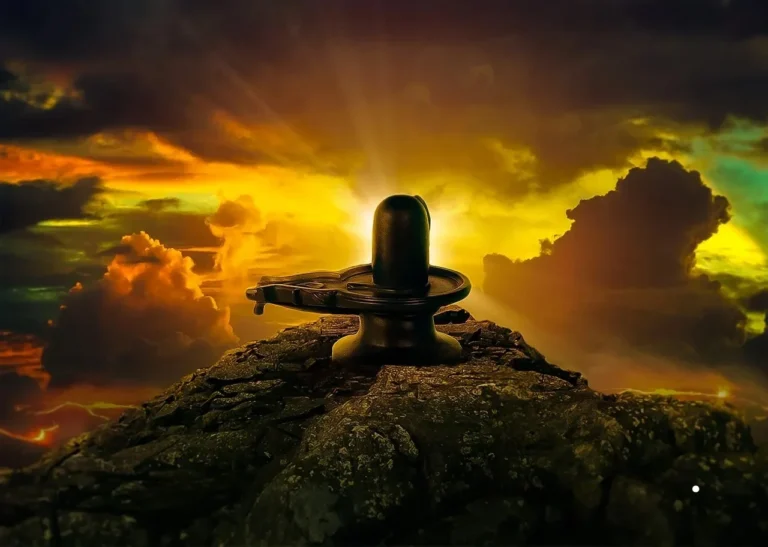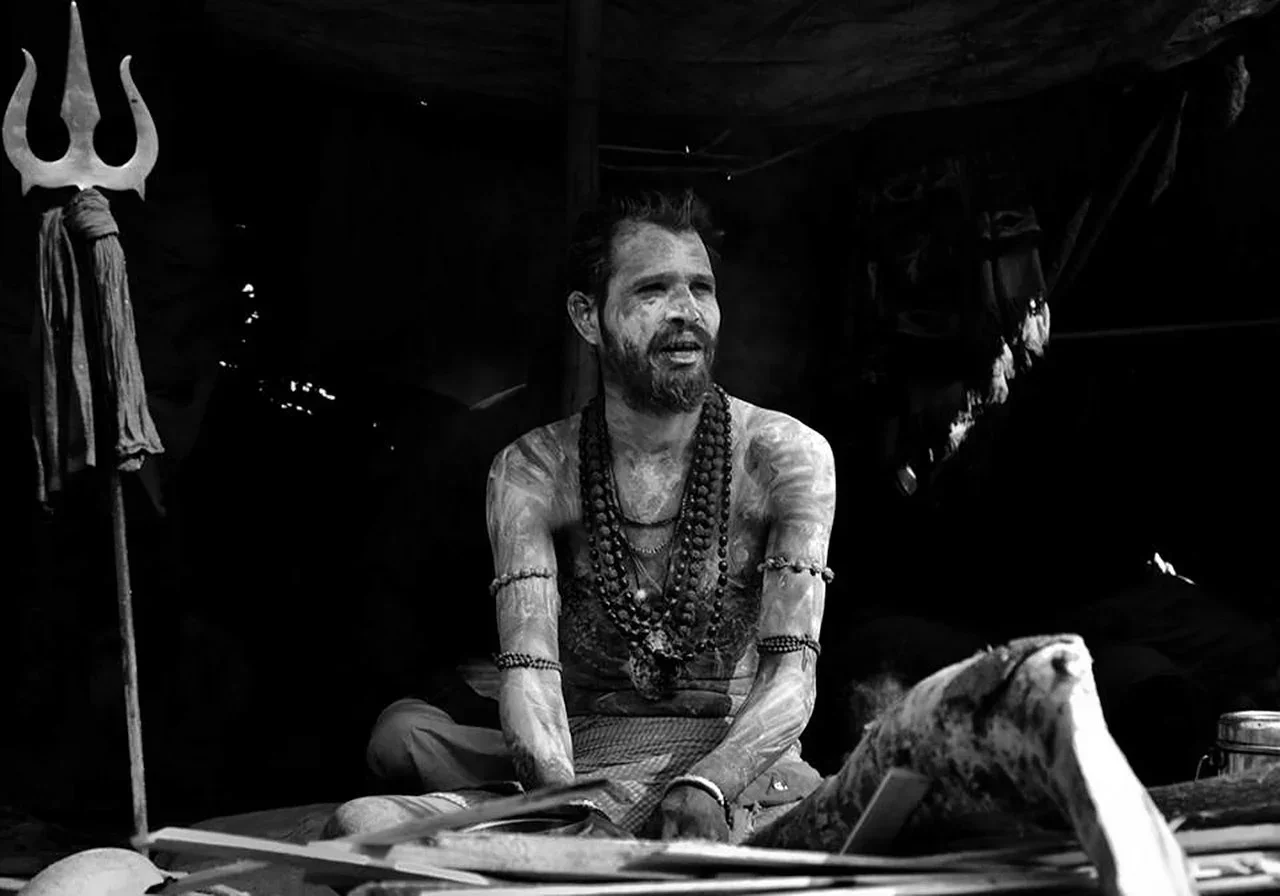
Meditation: Shiva’s Core Energy
In the rich tapestry of Hindu spirituality, meditation stands as a pillar that supports the profound energies of deities, especially Lord Shiva. This ancient practice, detailed on the Meditation page, is not merely a ritual but a doorway into the divine consciousness that Shiva embodies. By delving deeply into meditation, we uncover how it underpins Shiva’s cosmic functions, his creative rhythms, and his compassionate presence on Earth.
The Mystical Role of Meditation
Shiva, often depicted with a third eye, a crescent moon, and a serene expression, exemplifies the zenith of meditative stillness. The Lord Shiva iconography illustrates a mind that is both active in the realm of creation and inactive in the realm of dissolution—a duality that meditation seamlessly bridges. Spiritual scholars assert that meditation is the conduit through which Shiva channels his vast reservoirs of energy, turning the cosmic rhythm into a harmonious ballet of existence and non-existence.
Shiva’s Tranquility and the Cosmic Dance
Shiva’s signature Mudra, the Nataraja pose, is a testament to his eternal dance. The dance itself is an outcome of profound meditative awareness. According to research in the field of contemplative neuroscience, consistent meditation alters the brain’s structural and functional connectivity: improved attention, heightened emotional regulation, and expansive empathy—all traits embodied by a deity in motion. The Mindfulness studies confirm that meditative states enhance our capacity to remain present, thereby mirroring Shiva’s ability to stay fully absorbed in the dance without distraction.
- Improved Concentration: Focused meditation sharpens the mind’s ability to maintain unwavering attention—much like Shiva’s unerring focus while performing cosmic acts.
- Emotional Equilibrium: The practice cultivates a balanced reaction to external stimuli, ensuring Shiva’s calmness remains intact regardless of cosmic upheaval.
- Increased Compassion: By inviting a sense of unity with all beings, meditation nurtures the compassionate aspect of Shiva’s persona.
- Self-Realization: The journey to the self, a core element of Shiva worship, is facilitated through deep meditative inquiry.
Meditation’s Influence on Shiva’s Nishkama Karma
In Hindu philosophy, Nishkama Karma describes selfless action done without the attachment to results. Shiva epitomizes this ideal, acting as an instrument of the divine will while remaining detached from the outcomes. Meditation, by constantly reminding practitioners of the impermanence of thoughts and actions, provides the mental groundwork for performing nishkama karma. The World Health Organization notes that practices encouraging present-moment awareness can reduce stress linked to goal-oriented pursuits, resonating with the detachment that Shiva models.
Practical Meditation Techniques Inspired by Shiva
While the concept of meditating like Shiva sounds mystical, it can be translated into everyday practice. Below is a step-by-step guide to aligning your meditation routine with Shiva’s energy:
- Find a quiet sanctuary. Consider a Space Behind or a calm corner untouched by daily noise.
- Adopt the Sukhasana (Easy Pose) and place one hand over the heart while the other over the third eye area (between brows) to emulate Shiva’s mudras.
- Set an intention focused on the rhythm of breath—inhale for 4 counts, exhale for 4 counts, and recite silently: “Om Namah Shivaya.”
- Progressively expand your awareness: first to your breath, then to the body, and finally to the surrounding environment.
- Conclude with a few minutes of silent reflection, acknowledging the vastness within.
Incorporating these steps into a routine provides a tangible path for anyone looking to harness the transformative power of meditation, just as the divine Shiva does for the universe.
Conclusion and Call to Action
By immersing ourselves in the principles of meditation, we unlock the immense reservoir of energy that Shiva represents—steady, compassionate, and oscillating between creation and dissolution. It is a reminder that the practice is not limited to mythic realms but is accessible to anyone with a conscious intention to deepen internal harmony. Start today. Align your breathing with the rhythm of the cosmos and experience the subtle shift in consciousness, affirming the ancient wisdom that meditation is truly central to Lord Shiva’s energy.
Take the first step: Schedule a 20‑minute meditation session tomorrow and feel the energetic pulse of Shiva flowing through you.
Frequently Asked Questions
Q1. What is the connection between meditation and Lord Shiva?
In Hindu tradition, meditation is viewed as the practice through which Shiva conveys his inner energy to seekers. It is believed that by quieting the mind, one can align with Shiva’s cosmic rhythm, accessing profound creativity and compassion. The practice also mirrors Shiva’s transcendence beyond worldly distractions, emphasizing inner stillness as a form of divine worship.
Q2. How does meditation influence Shiva’s energy?
Lecturing scholars imply that meditation is the conduit allowing Shiva’s energies—creation, maintenance, dissolution—to circulate. Neurological research shows enhanced attention and emotional regulation, traits that embody Shiva’s focus during the cosmic dance. This suggests meditation can help us tap into similar states of heightened awareness.
Q3. What practical steps can I take to meditate like Shiva?
Begin with a quiet space, sit in Sukhasana, place a hand over the heart and the other over the third eye, and breathe in a steady 4‑4 pattern while silently chanting “Om Namah Shivaya.” Gradually expand awareness from breath to body, then to surroundings, finishing with silent reflection. Repetition strengthens connection.
Q4. Can meditation reduce stress and promote compassion, as Shiva exemplifies?
Indeed. Studies from WHO and neuroimaging show regular mindfulness lowers stress hormones and boosts empathy. These effects echo Shiva’s compassionate nature, enabling practitioners to act selflessly (nishkama karma) without attachment.
Q5. How can I incorporate meditation into my daily routine?
Schedule a 20‑minute slot each day, preferably in the morning or evening, in a consistent spot. Use guided audio or simple breath awareness; track progress to maintain motivation. Consistency yields gradual transformation in concentration and calm.