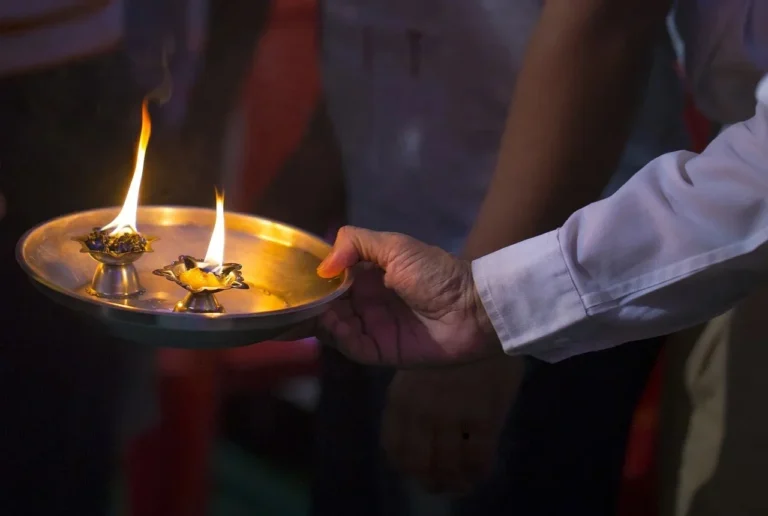
Kali Mantras for Fearlessness
The ancient goddess Kali, often portrayed as fierce yet compassionate, has guided seekers through centuries of spiritual inquiry. In the realm of devotional practice, Kali Mantras serve as potent tools that cultivate fearlessness and illuminate the path to truth. By resonating with the goddess’s dynamic energy, these chants help dissolve anxiety, fatigue, and uncertainty—allowing practitioners to face life’s challenges with serene determination. Whether you’re new to sacred sound or a seasoned yogi, this article will explore the roots, structure, and practical application of Kali Mantras, empowering you to harness their transformative power in everyday life.
Historical Context and Symbolism
Kali’s story spans myths, rituals, and scholarly analysis. Originally connected with the fight against demonic forces, she evolved into a symbol of time, change, and liberation. The goddess is frequently depicted holding a trident, a skull, and fire—all motifs that echo the dismantling of ego and illusion. Scholars note that chanting Kali Mantras connects one with this liberating energy, allowing the practitioner to access a deeper truth beyond societal constructs. For more on her iconography, see the Wikipedia entry on Kali and the Britannica article on her.
The Anatomy of a Kali Mantra
A robust mantra typically begins with the sacred syllable Om, followed by phonetic components that embody the goddess’s qualities. A common form is: “Om Kali Gurur Bhootam,” translating roughly to “Invocation of Kali, refuge of all,” and conveys both reverence and acknowledgment of her omnipresent state. Another popular mantra, found in the Kalika Pancharatna Stotram, is: “Om Namah Shivaya,” which, while attributing devotion to Shiva, indirectly invokes Kali’s protective essence. Mantra analysis reveals repetitive rhythmic patterns that stimulate the nervous system, enhancing concentration and emotional resilience. These sonic vibrations align the body’s energy centers, or chakras, especially the root and solar plexus, fostering a sense of grounded safety.
Key Elements
- Om – serves as the universal primer, unifying all vibrations.
- Gurur Bhootam – signifies Kali’s role as eternal teacher, transcending all beings.
- Controllable breathing – synchronizes with mantra playback to calm the mind.
Practicing Fearlessness Through Chanting
Fearlessness is not the absence of fear but the capacity to face it with clarity. Research from the University of California indicates that repetitive mantra chanting can reduce cortisol levels, a hormone directly linked to anxiety. By repeating Kali Mantras for a minimum of 20 minutes daily, practitioners often report a notable shift in worldview—from reactive to proactive. To harness this effect, it’s crucial to establish a quiet space, maintain a neutral posture, and use a consistent breathing rhythm. Starting with a gentle chant—“Om Namah Shivaya” for a few minutes—prepares the atmosphere for deeper mantras like “Om Kali Gurur Bhootam.” This progressive layering supports mental alignment, allowing the heart and mind to remain receptive throughout the duration.
Integrating Kali Mantras into Everyday Rituals
Daily life presents opportunities to merge spiritual practice with routine activities. The dawn can be a natural time for a short recitation, or a quick mantra before a work meeting could establish calm focus. Moreover, the mantra can accompany simple acts such as washing hands, offering a moment of mindfulness: inhale, potential, exhale, repeat. If you’re inclined, you might craft a personal mantra by combining syllables that resonate with your aspirations—e.g., “Om Shree Kali Devi.” Consistency is the key: a brief chant every day outweighs sporadic, lengthy sessions in long-term benefits. Over time, you’ll notice a reinforced sense of resilience during stressful encounters.
Choosing the Right Mantra for Truth-Seeking
Truth, or *Satya*, is central to many spiritual traditions. The Kali Mantras that emphasize truthfulness often include terms such as “Samadhi” and “Sat,” reinforcing an internal truth-hunting mindset. One such chant is: “Om Namah Satyanarayana Devi“>, equivalent to both a salute to the goddess and a pledge to pursue authenticity. When selecting a mantra, consider its phonetic length—shorter riddles enhance retention, while longer vows affirm depth. If you are uncertain, start with universally recognized phrases and gradually personalize based on emotional resonance and perceived effectiveness.
Conclusion: Embrace the Power Today
By incorporating Kali Mantras into your daily rhythm, you invite fearlessness and the pursuit of truth into every aspect of life. Whether you chant within a quiet meditation space or while performing everyday tasks, the vibrations you produce echo across inner and outer realms. Begin today with a simple sequence—Om, Namah Shivaya, Kali Gurur Bhootam—and feel the shift from hesitation to empowered action. To deepen your practice further, explore scholarly articles on mantra efficacy, such as those by the University of Oregon Healthcare Center’s research on stress reduction and other reputable academic sources.
Ready to awaken your inner shield? Join our free weekly newsletter for guided chants, insightful podcasts, and community stories that illustrate how Kali Mantras transform lives. Click here to subscribe now.
Frequently Asked Questions
Q1. What are Kali Mantras and how do they work?
They are sacred phrases invoking the goddess Kali’s energy to stabilize the mind. The rhythmic vibration of the sounds activates the nervous system and triggers calming biochemical responses. Repetition helps align the practitioner’s breath and intention toward inner strength.
Q2. How long should I chant each Kali Mantra?
Begin with 3–5 minutes if you’re new, then gradually extend to 10–20 minutes daily. Consistency is more powerful than occasional longer sessions. Even a quick chant before a meeting can set a calm tone.
Q3. Which Kali Mantra is best for beginners?
The simple “Om Namah Shivaya” works well as a gateway because it calms the mind and indirectly honors Kali’s protective essence. Once comfortable, add “Om Kali Gurur Bhootam” to deepen the experience. Start slow and let your breath guide the cadence.
Q4. Can I integrate Kali Mantras into non‑spiritual activities?
Yes, you can chant during mundane tasks to bring focus and fearlessness. For example, repeat a mantra while washing hands or walking to a meeting. The key is regular, mindful repetition, not the activity itself.
Q5. How does chanting reduce cortisol levels?
Scientific studies show that rhythmic chanting activates the parasympathetic nervous system, which lowers cortisol production. This hormonal shift decreases anxiety and promotes emotional resilience. It also reinforces a sense of safety through the mantra’s grounding vibrations.